Teaching Yoga After 100 Hour Certification: What You Need to Know
Teaching yoga after 100 hour certification is a milestone that fills many practitioners with immense excitement and a lot of questions. You have spent weeks diving deep into asana practice, breathing techniques, and ancient philosophy, and now you want to share that light with others. But stepping to the front of the room is a significant responsibility that requires clarity.
Many students wonder if they are legally allowed to host classes, rent studio space, or charge money for their guidance at this stage. Securing a job at a professional studio requires a solid understanding of international industry standards.
Let’s explore the reality of your current certification level and exactly what steps you need to take next to build your dream career. We will cover the legalities, insurance requirements, and how to safely guide your community while you prepare for advanced training.
The Reality of Teaching Yoga After 100 Hour Certification
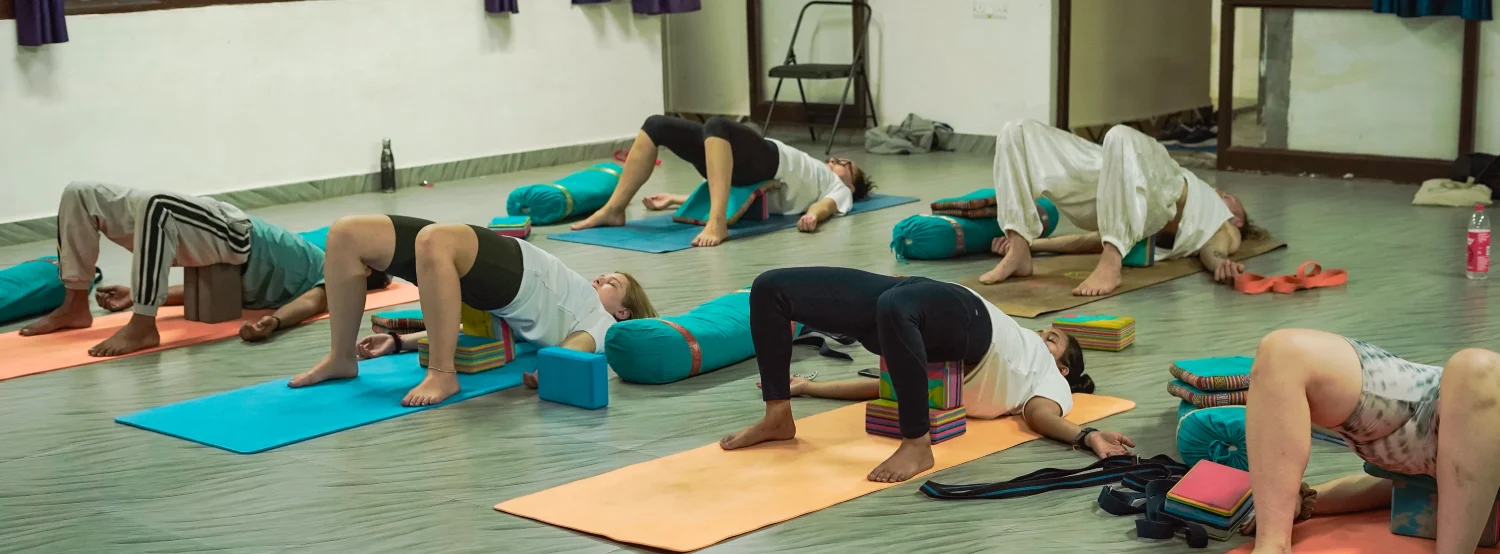
The first half of a comprehensive training program is largely focused on personal transformation. You spend time breaking down your own physical limitations and understanding the foundational alignments of primary postures.
While you learn basic cues, a 100-hour curriculum does not typically provide the deep pedagogical skills required to manage a diverse room of students. You might know how to execute a perfect Chaturanga Dandasana, but explaining it safely to a beginner with shoulder issues is an entirely different skill set.
This is why international governing bodies like Yoga Alliance set the minimum professional teaching standard at 200 hours. The initial 100 hours act as a stepping stone rather than a final destination for career instructors.
If you recently completed a program similar to our 100 Hour YTT For Beginners No Experience, you have laid a beautiful foundation. Your personal practice is undoubtedly stronger, and your understanding of yoga philosophy has deepened significantly.
Can You Legally Teach Yoga With a 100-Hour Certification?
The short answer is yes, but with distinct professional limitations. There is no universal law or government mandate preventing you from sharing yoga postures with others. You can legally host classes in public parks, your living room, or rented community halls.
However, legality and professional liability are two completely different things. The yoga industry is largely self-regulated, meaning studios, gyms, and retreat centers set their own hiring standards.
Almost all reputable wellness centers require a minimum of a 200-hour certification to even look at your resume. Furthermore, securing liability insurance—which protects you financially if a student gets injured during your class—is nearly impossible with only 100 hours of training.
Insurance providers need proof that you have undergone rigorous testing in teaching methodology and anatomy modifications. Without insurance, hosting public classes exposes you to significant personal financial risk.
The Core Differences Between 100-Hour and 200-Hour Curriculums
Understanding what you are missing is crucial before you start taking on students. The first 100 hours introduce you to Ashtanga and Hatha primary series, pranayama basics, and the history of the practice.
The second 100 hours dive heavily into the science of teaching. You learn advanced sequencing, meaning how to safely warm up specific muscle groups before moving into peak poses like Sirsasana (headstand) or Urdhva Dhanurasana (wheel pose).
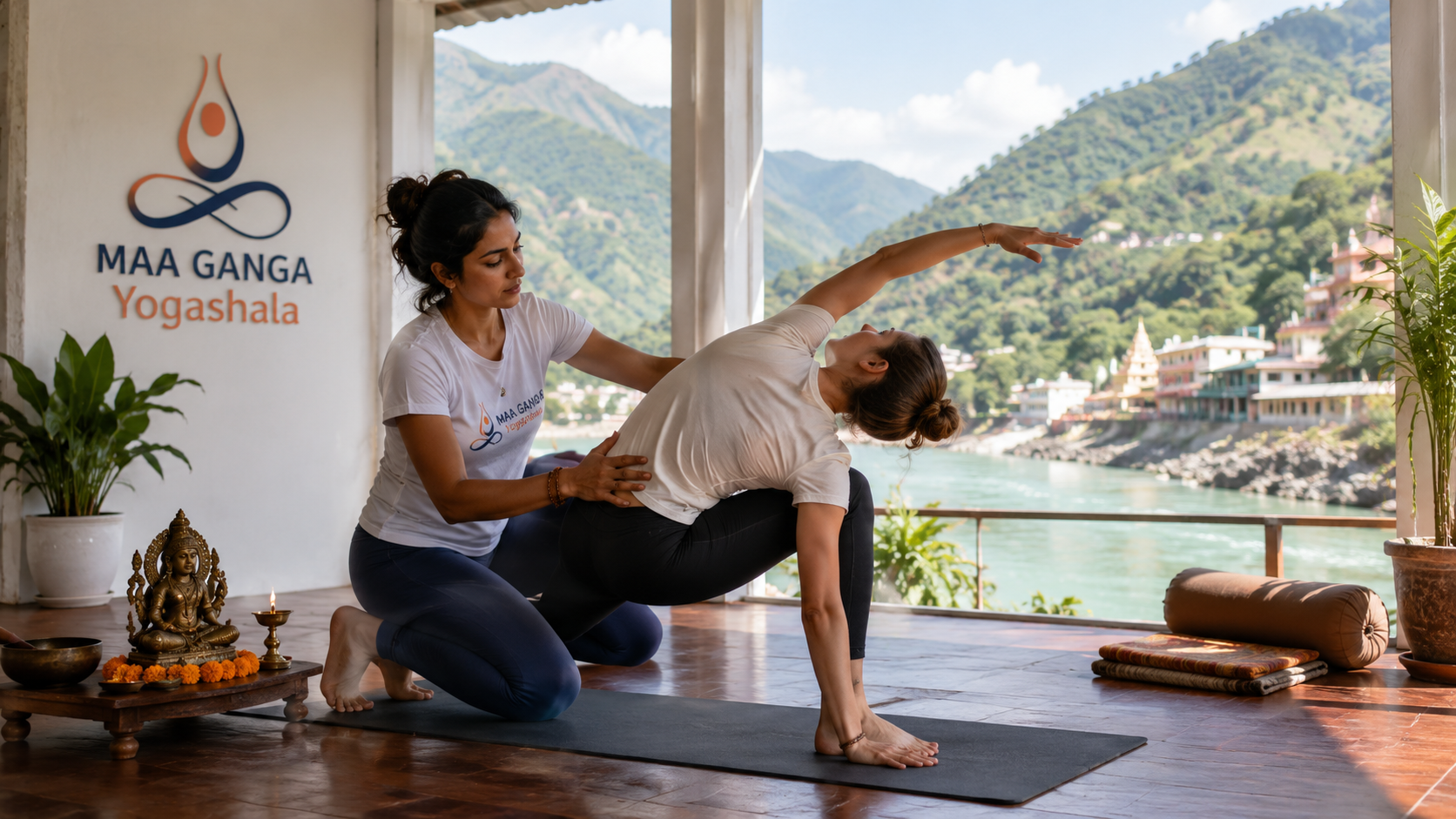
You also learn how to perform safe, hands-on physical adjustments. Adjusting a student requires an intimate understanding of biomechanics and skeletal variations. Institutions globally, including the Ministry of Ayush in India, emphasize these safety protocols for all recognized instructors.
Furthermore, advanced modules cover the business of yoga, voice modulation, and trauma-informed language. You need these tools to create an inclusive environment where every student feels supported. For a deeper look at what is required to lead a room, reviewing Yoga Teaching Methodology TTC is highly beneficial.
Where Can You Safely Practice Teaching Yoga After 100 Hour Certification?
While you might not be ready for a studio payroll, you should absolutely start practicing your teaching voice. In fact, delaying your teaching practice until you finish your 200 hours can cause unnecessary anxiety.
Start by guiding your friends, family members, or supportive coworkers. Host free, informal sessions in a local park or your backyard. Be completely transparent about your certification level, letting your participants know you are a teacher-in-training looking to practice your sequencing.
Keep your classes simple and foundational. Avoid complex inversions, deep backbends, or intense breath retention (Kumbhaka) practices. Focus on guiding a smooth, basic flow with clear, concise verbal cues.
Treat these informal sessions as a laboratory. Ask your friends for honest feedback about your pacing, the volume of your voice, and whether your instructions were easy to follow. This real-world practice is invaluable.
Why Rishikesh Matters for Your Continuing Education
When you are ready to complete your certification, your environment plays a massive role in your growth. Practicing in the yoga capital of the world offers an unmatched, authentic energy that accelerates your learning process.
Being surrounded by the Himalayas and the sacred Ganges River strips away the modern distractions of daily life. The ashram environment enforces a disciplined routine of early morning meditation, sattvic eating, and focused study.
The spiritual history of the region seeps into every class. You are not just learning physical exercises; you are absorbing a lifestyle that has been practiced here for thousands of years.
To understand the profound impact of this specific location on a teacher’s journey, exploring the benefits of Tapovan Rishikesh Yoga can provide great insight into the traditional roots of the practice.
Taking the Next Step in Your Journey
If you are currently sitting with 100 hours of training and feeling the call to truly step into the seat of a teacher, it is time to plan your return to the mat. Completing your education is an investment in your future students’ safety and your own professional confidence.
Maa Ganga Yogashala offers immersive, traditional programs right on the vibrant banks of the river. We honor the ancient teachings while equipping you with modern pedagogical skills.
Whether you want to dive straight into an advanced module or you want to start fresh with our comprehensive 100-Hour Yoga Teacher Training in Rishikesh to rebuild your foundation, we provide a nurturing space for your growth.
For those who need a shorter immersion to reconnect with their personal practice before committing to a long course, joining a 3 Days Yoga Retreat in Rishikesh is a wonderful way to acclimate to the ashram environment.
How to Prepare for Your Next 100 Hours
While you save up or plan your schedule for your next training, there are several ways you can prepare to hit the ground running. First, establish a non-negotiable daily self-practice.
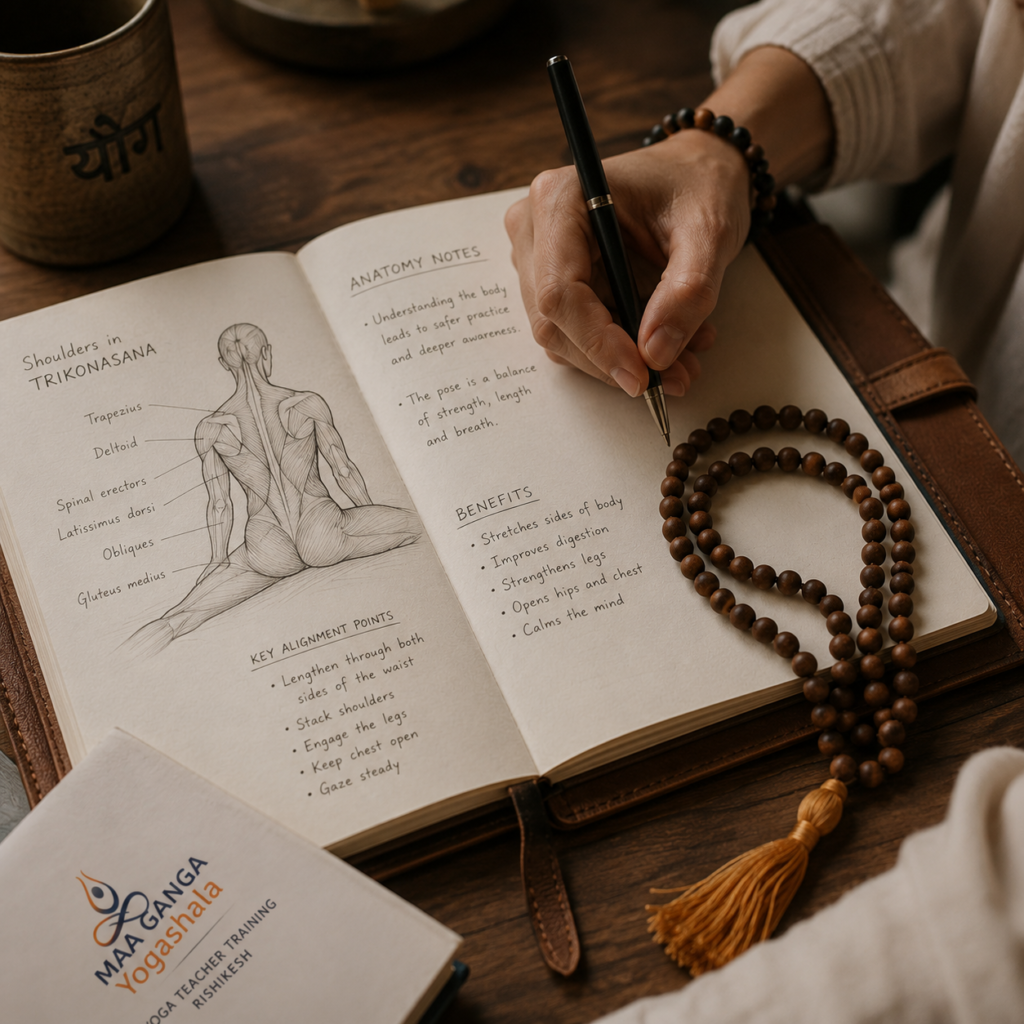
Your ability to teach effectively is directly linked to the depth of your personal experience on the mat. Spend time exploring how different asanas feel in your own body on different days. Document your practice in a journal, noting which transitions feel clumsy and which feel smooth.
Second, start studying anatomy on your own. Familiarize yourself with major muscle groups, joint mechanics, and common physical limitations like tight hamstrings or sensitive lower backs.
Finally, attend classes led by senior teachers in your area. Do not just go to practice; go to observe. Notice how they sequence their classes, how they use silence, and how they navigate different energy levels in the room. This observation will serve you well as you plan your own Yoga Teacher Career After 200 Hour TTC.
Building a Sustainable Business Mindset
Becoming a yoga teacher is not just a spiritual endeavor; it is also a professional career path. While your heart may be focused on sharing peace and mindfulness, you must also understand the basic mechanics of running a wellness business.
Once you secure your full 200-hour credentials, you will need to learn how to market yourself, build a loyal student base, and navigate independent contractor agreements with studios.
Start building your professional network now. Connect with local wellness center owners, join online forums for yoga instructors, and begin cultivating a professional social media presence that reflects your teaching philosophy.
Understanding the administrative side of teaching—such as creating liability waivers and tracking your income—is what separates a hobbyist from a professional. The more prepared you are on the business side, the more mental space you will have to focus on your students during class.
The Importance of Finding Your Unique Voice
During your first 100 hours, it is incredibly common to simply mimic the teachers who trained you. You might find yourself using their exact phrasing, their pacing, and even their playlist style.
This is a natural part of the learning process, much like a musician learning to play by copying their favorite artists. However, the ultimate goal of completing your training is to uncover your own authentic teaching voice.
Your unique life experiences, your personal struggles with certain poses, and your individual communication style are what will eventually draw your dedicated students to you.
As you practice teaching your friends and family, actively experiment with your phrasing. Do not try to sound like a stereotypical “yoga teacher.” Speak naturally, clearly, and from a place of genuine care. Authenticity is the most powerful tool you have in a crowded wellness industry.

FAQs
Can I get liability insurance with only 100 hours?
Usually, no. The vast majority of insurance providers strictly require a 200-hour certification to cover your classes, as this proves you have passed mandatory safety and methodology testing.
Can I teach online classes with this certification?
Yes, you can legally stream or record classes online. However, building trust and authority in the digital space requires advanced credentials. We highly recommend completing your training to stand out.
Does my 100-hour course certificate ever expire?
No, your certificate does not expire. However, if you wait several years before completing the second half of your training, you may lose momentum and forget crucial foundational knowledge.
Will a studio let me sub classes for other teachers?
Studio policies vary, but nearly all professional studios require substitute teachers to hold the same minimum 200-hour credentials as their permanent staff to maintain quality and liability standards.
Conclusion and Your Next Steps
In summary, teaching yoga after 100 hour certification is a wonderful way to start sharing your passion informally with your close circle of friends and family. It gives you a low-pressure environment to practice your verbal cues and overcome public speaking anxiety.
However, to become a highly registered, confident, and insurable professional, continuing your education is absolutely essential. The journey to the front of the room requires deep dedication, continuous learning, and a commitment to student safety.
If you are seeking a traditional, transformative environment to complete your credentials, we invite you to explore everything we offer at the Maa Ganga Yogashala home page.
Ready to step into your power? Discover our comprehensive 200-Hour Yoga Teacher Training in Rishikesh and take the next crucial step in your teaching career today.