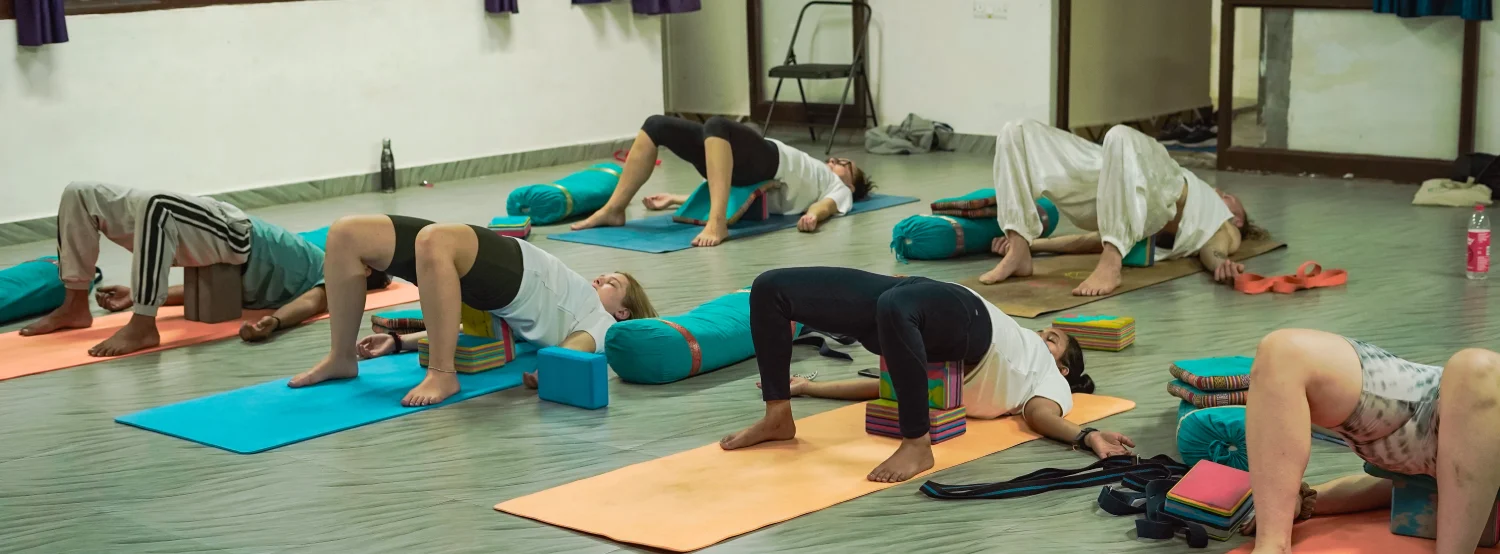

Yoga Journaling Retreat Inner Work Rishikesh: Combine Mindful Movement and Self-Discovery
Introduction: When Your Yoga Practice Needs More Than Movement
A yoga journaling retreat inner work Rishikesh experience can help you discover what your body feels, what your mind keeps repeating, and what your everyday routine rarely gives you time to understand. Have you ever finished a yoga session feeling physically relaxed but still carried the same unanswered questions, emotional tension, or mental clutter?
Yoga gives you a way to observe yourself through movement, breath, and stillness. Journaling adds another dimension by helping you put those observations into words.
When you combine the two, you create space not just to stretch your body but also to examine your habits, reactions, priorities, and personal boundaries.
Rishikesh offers a meaningful setting for this practice. Its yoga traditions, Himalayan surroundings, and proximity to the Ganga create opportunities to step away from familiar distractions and reconnect with yourself.
Whether you are an experienced practitioner, a beginner, or someone navigating a demanding phase of life, this approach can fit your needs without requiring advanced yoga skills or exceptional writing ability.
In this guide, you will learn how yoga and journaling complement each other, how to structure a reflective retreat, which practices you can explore, and how to choose a suitable retreat in Rishikesh.
1. What Is a Yoga Journaling Retreat for Inner Work?
A yoga journaling retreat combines physical yoga, breathing exercises, meditation, and intentional writing to support self-awareness. Instead of treating yoga as a workout alone, you use each practice as an opportunity to notice your internal experience.
Inner work means examining your thoughts, emotional responses, values, habits, and recurring patterns with honesty and curiosity. It does not mean forcing yourself to revisit painful memories or finding a solution to every personal problem.
For example, you might notice that your shoulders tense whenever you feel under pressure. During journaling, you could explore whether this tension appears alongside particular responsibilities, conversations, or expectations.
The purpose is not to invent a psychological explanation for every physical sensation. It is to become more attentive to the connections you notice and respond to them thoughtfully.
A retreat provides structure for this process through dedicated practice time, fewer everyday distractions, and opportunities for quiet reflection.
How yoga and journaling complement each other
Yoga encourages attention to present-moment sensations. Breath awareness can help you notice when your mind wanders, while mindful movement allows you to observe your responses to discomfort, effort, and rest.
Journaling gives these observations a written form. You can record what happened, identify recurring themes, and consider how you want to respond differently.
Together, these practices can help you:
- Recognise habitual reactions and thought patterns.
- Develop a more attentive relationship with your body.
- Clarify personal values and priorities.
- Reflect on boundaries, relationships, and everyday decisions.
- Track changes in your practice over time.
For a deeper understanding of yoga’s relationship with psychological well-being, explore the research discussed in Yoga Mental Health Research Evidence: 20 Years of Science.
The important distinction is that a retreat is an opportunity for reflection, not a promise of instant emotional healing. Your experience depends on your circumstances, the practices you choose, and the support available.

2. Why Yoga Journaling Creates Space for Self-Discovery
Self-discovery often begins with noticing what you usually overlook. You might realise that you say yes when you want to say no, compare yourself with others, or continue working even when your body needs rest.
These patterns can be difficult to recognise when your attention is constantly divided between work, relationships, notifications, and responsibilities.
A combination of movement and writing creates two different opportunities to observe yourself.
Notice your patterns without judging yourself
During yoga, you can observe how you respond when a posture becomes challenging. Do you rush, hold your breath, compare yourself with the person beside you, or allow yourself to rest?
After practice, write down what you noticed. Avoid turning a simple observation into a harsh judgement about your personality.
For instance, instead of writing, “I am terrible at being patient,” try, “I noticed that I became frustrated when the posture felt unfamiliar.”
The second statement describes an experience rather than defining your identity. This makes it easier to examine the situation without adding unnecessary self-criticism.
Give recurring thoughts a place to land
A journal can also help you separate what happened from the story you are telling yourself about it.
You might use three short prompts:
- What am I experiencing right now?
- What thoughts or assumptions are accompanying this experience?
- What response would align with my values?
You do not need to answer every question every day. Even five to ten minutes of honest writing can provide a useful record of your observations.
For international visitors and Indian practitioners alike, this practice offers a way to continue working on self-awareness after returning home.
Remember that journaling is not a substitute for professional mental health care. If writing increases distress, pause, choose a grounding activity, or seek appropriate support.
3. The Best Yoga Practices to Pair With Reflective Writing
A successful retreat does not need an elaborate schedule. The most useful practices are those that help you remain attentive without exhausting your body or overwhelming your mind.
Choose a combination of movement, breath awareness, meditation, and writing that suits your experience level.
Hatha yoga for body awareness
Hatha yoga can provide a steady foundation for observing posture, alignment, breathing, and physical sensations.
Move at a comfortable pace and pay attention to the difference between productive effort and unnecessary strain. After class, record one physical sensation and one thing you learned about your response to a challenge.
You might notice that slowing down makes a posture more comfortable, or that you tend to push beyond your limits when you feel impatient.
Neither observation needs to become a major revelation. Consistent attention is more valuable than searching for dramatic insights.
Pranayama for mindful breathing
Gentle breathing practices can help you direct attention toward the present moment. Begin with natural breathing or a technique taught by a qualified instructor.
Afterwards, write about your experience without assuming that a particular sensation has a universal meaning.
Did your attention wander? Did you feel more settled, unchanged, or uncomfortable? What helped you remain present?
Avoid forceful breath retention or unfamiliar advanced techniques without appropriate guidance, especially if you have relevant medical concerns.
Meditation for observing thoughts
Meditation gives you an opportunity to notice thoughts without automatically following each one.
You could practise observing the breath for five minutes, then spend another five minutes writing about what interrupted your attention.
The goal is not to empty your mind. Thoughts appearing during meditation are normal, and noticing them is part of the practice.
For additional context, visit the official Ministry of Ayush website for information about India’s traditional systems of health and well-being.
Restorative yoga for slowing down
Gentle, supported postures can create a quieter transition between physical practice and journaling. Use suitable props and avoid positions that cause pain or discomfort.
After resting, ask yourself what you need more of in daily life: recovery, movement, connection, structure, or personal space.
These reflections become more useful when translated into realistic choices rather than ambitious promises.
4. How to Structure Your Yoga Journaling Retreat
Your schedule should provide enough structure to establish a rhythm while leaving room for rest, meals, and unplanned reflection.
You do not need to fill every hour with a workshop or spiritual activity. Too many scheduled sessions can make a retreat feel like another demanding obligation.
A balanced day might look like this:
| Time | Suggested activity | Purpose |
|---|---|---|
| 6:30 AM | Quiet sitting and gentle breathing | Establish present-moment awareness |
| 7:00 AM | Guided yoga practice | Observe movement and physical sensations |
| 8:30 AM | Breakfast and rest | Recover and nourish yourself |
| 10:00 AM | Guided journaling | Explore thoughts, values, and habits |
| 11:00 AM | Free time or a gentle walk | Allow space for reflection |
| 1:00 PM | Lunch and relaxation | Avoid overloading your schedule |
| 3:30 PM | Meditation or gentle restorative yoga | Return attention to the present |
| 4:30 PM | Personal journaling | Record observations and possible next steps |
| Evening | Quiet reflection or group discussion | Close the day intentionally |
This is a sample routine, not a promise of any school’s actual timetable. Adjust the duration and intensity according to your needs.
Three journal prompts for each day
Morning: What matters most to me today, and how can I make room for it?
After yoga: What did I notice about my body, attention, or response to difficulty?
Evening: What felt meaningful today, and what is one small thing I want to carry forward?
Keep your answers specific. “I want to be calmer” is less actionable than “I will take three slow breaths before responding to a stressful message.”
You can also create a weekly reflection page with three headings: patterns I noticed, choices I made, and questions I want to explore further.
This turns your journal into a practical record you can revisit instead of a notebook filled with disconnected thoughts.
5. Why Rishikesh Is a Meaningful Place for Inner Work
Rishikesh has a long-standing association with yoga, meditation, spiritual study, and the Ganga River. Tapovan, where many yoga schools operate, provides access to classes, cafés, walking routes, and the surrounding Himalayan landscape.
For visitors accustomed to crowded cities or demanding work schedules, a change of environment can make it easier to establish a different daily rhythm.
However, the location alone does not create meaningful self-discovery. Your experience will depend more on the quality of instruction, your willingness to participate, the suitability of the schedule, and whether you allow yourself adequate rest.
Let the surroundings support your practice
You might begin the day with yoga, spend a quiet period writing, and take an unhurried walk when conditions are suitable.
The Ganga can become a point of reflection without needing to assign a mystical explanation to every experience. Notice the sound of the water, the movement of the current, and your own response to being outdoors.
Respect local customs, follow river-safety guidance, and choose permitted areas for bathing or sitting near the water.
Choose the right retreat duration
A short retreat can be useful if you have limited leave or want to experience a structured yoga routine before committing to a longer programme.
A three-day stay may give you an introduction to daily practice, while five days can provide more time to repeat exercises and observe your responses.
You can compare the options offered through these pages:
Before booking, check the current schedule, inclusions, accommodation arrangements, class levels, and whether guided journaling is actually offered. A yoga retreat should not be described as a dedicated journaling retreat unless that component is confirmed.
6. How to Choose a Retreat That Supports Meaningful Inner Work
Not every yoga retreat includes reflective writing, emotional-awareness exercises, or individual guidance. Some focus primarily on physical practice, while others offer meditation, philosophy, or wellness activities.
If journaling is central to your intention, ask specific questions before paying a deposit.
Ask about the daily programme. How much time is devoted to yoga, meditation, personal reflection, and rest? Is the schedule suitable for beginners?
Clarify the journaling component. Are writing prompts provided, or is journaling simply encouraged during free time? Is there a guided session, and how frequently does it occur?
Understand the teaching approach. Look for instructors who respect individual differences, provide appropriate modifications, and avoid pressuring participants to disclose private experiences.
Check what is included. Confirm accommodation, meals, class timings, transport arrangements, cancellation policies, and any additional charges directly with the provider.
Consider your emotional comfort. You should be free to skip an exercise, decline group sharing, or take a break when necessary. A responsible programme does not promise to cure trauma, eliminate anxiety, or guarantee a particular emotional outcome.
Build a simple practice before you arrive
You can prepare by keeping a journal for one week before travelling.
Write for five minutes each evening about your energy levels, recurring concerns, and one thing that went well. This gives you a baseline for comparison without requiring you to create a long list of goals.
Pack a notebook, a comfortable pen, clothes suitable for movement, and any personal items that help you feel settled.
Most importantly, arrive with curiosity rather than a demand to become a different person within a few days.
7. Take Your Reflection Beyond the Retreat
The value of a retreat becomes clearer when you return to ordinary life and decide which habits deserve to continue.
Without a realistic follow-up routine, even meaningful observations can disappear beneath work deadlines, family responsibilities, and familiar distractions.
Instead of attempting an ambitious daily programme, choose two or three practices you can maintain.
For example, you might practise yoga three mornings each week, write for five minutes before bed, and pause briefly after difficult conversations to notice your response.
Use a simple seven-day integration plan
- Day 1: Write down three observations from your retreat.
- Day 2: Practise a familiar yoga sequence for 15 minutes.
- Day 3: Reflect on one recurring thought without judging yourself.
- Day 4: Take a short mindful walk without checking your phone.
- Day 5: Identify one boundary or priority you want to communicate clearly.
- Day 6: Repeat a breathing or meditation practice that felt comfortable.
- Day 7: Review your notes and choose one habit for the coming week.
Adapt this plan to your schedule and physical comfort. Consistency matters more than following every activity perfectly.
For more guidance, explore yoga retreat integration tips for life after your retreat.
If you find that reflective writing repeatedly increases distress or brings up experiences you struggle to manage, stop and seek suitable professional support. A yoga retreat can complement personal well-being practices, but it is not a replacement for mental health treatment.
8. Explore Yoga and Reflective Wellness With Maa Ganga Yogashala
Choosing a retreat is easier when you understand what you want from your time in Rishikesh. You may want a consistent physical practice, a quieter daily routine, an introduction to meditation, or an opportunity to develop greater self-awareness.
At Maa Ganga Yogashala, our yoga programmes in Tapovan, Rishikesh, offer options to explore depending on your experience and the duration of your visit.
If you want to understand the school and its available programmes, start with the Maa Ganga Yogashala website.
For a broader wellness experience, you can also explore sound healing sessions, subject to the current programme and availability.
Before enrolling, contact the school to confirm whether guided journaling or a dedicated inner-work component is available. This helps you choose a programme that matches your expectations rather than assuming every retreat includes the same activities.
A useful retreat is not necessarily the longest or most intensive one. It is the programme that provides appropriate instruction, a manageable schedule, and enough space for you to practise consistently.
9. Frequently Asked Questions
What is a yoga journaling retreat?
A yoga journaling retreat combines yoga, breathing exercises, meditation, and reflective writing. The aim is to help you observe physical sensations, thoughts, habits, and personal priorities. Some retreats offer guided writing sessions, while others leave journaling to your free time, so confirm the programme before booking.
Is Rishikesh suitable for a beginner interested in inner work?
Yes, Rishikesh offers programmes for different experience levels. Beginners should look for qualified instructors, manageable schedules, appropriate posture modifications, and opportunities to rest. You do not need prior meditation experience or a spiritual background to benefit from reflective practices.
How long should a yoga journaling retreat last?
A three-day retreat can introduce you to a routine, while five days allows more opportunities to repeat practices and reflect on your observations. The best duration depends on your budget, schedule, experience, and the programme’s actual content. A longer stay does not automatically produce better results.
What should you write in a yoga journal?
Start with simple questions about your physical sensations, attention, emotions, and daily choices. Record what you noticed without forcing an explanation. You can also write about one thing you appreciated, one challenge you encountered, and one practical action you want to take.
Does Maa Ganga Yogashala offer a dedicated journaling retreat?
You should contact Maa Ganga Yogashala directly to confirm whether guided journaling, reflective workshops, or a dedicated inner-work retreat is currently available. Its published yoga retreat options may offer a useful starting point, but specific journaling sessions should not be assumed unless the school confirms them.

Conclusion: Begin Your Yoga Journaling Retreat Inner Work in Rishikesh
A yoga journaling retreat inner work Rishikesh experience can offer a practical way to combine mindful movement with honest self-reflection. Yoga helps you pay attention to your body and breath, while journaling gives you space to examine your observations and turn them into realistic choices.
You do not need perfect discipline, advanced postures, or profound insights every day. A few minutes of attentive movement and thoughtful writing can be enough to begin building a more consistent relationship with yourself.
Rishikesh offers a setting where you can step back from familiar routines, explore yoga, and establish habits that continue beyond your stay.
Ready to plan your time in Rishikesh? Explore our 5-day yoga retreat in Rishikesh and contact Maa Ganga Yogashala to discuss the current programme, schedule, and availability. Choose a retreat that fits your needs, ask clear questions, and give yourself room to practise with curiosity rather than pressure.