200 hour YTT curriculum subjects: What Do You Actually Learn?
Mastering the 200 hour YTT curriculum subjects is the crucial first step for anyone serious about becoming a certified yoga instructor. You might feel overwhelmed wondering exactly what happens during those intensive weeks of practice and study. The good news is that a structured syllabus provides a clear, progressive path from beginner to confident teacher.
When you commit to a yoga teacher training, you sign up for much more than physical exercise. You immerse yourself in a comprehensive educational system designed to overhaul your understanding of the human body and mind. This journey requires dedication, focus, and a willingness to explore ancient wisdom through a modern lens.
By unpacking the specific modules ahead of time, you remove the mystery and anxiety surrounding the course. You will know precisely how your days will be structured and what topics require your mental energy. Preparing yourself mentally for the rigorous schedule ensures you absorb the maximum amount of knowledge during your stay.
Get ready to explore the exact breakdown of topics you will encounter. This guide will walk you through the core pillars of the training, helping you set realistic expectations for your upcoming transformation.
Core 200 hour YTT curriculum subjects Explained
The foundational structure of any reputable certification program follows strict global standards. These guidelines ensure that every graduating teacher possesses a baseline level of competency and safety awareness. You will spend your time divided between physical practice, analytical training, and deep philosophical study.
Organizations like Yoga Alliance dictate the minimum hours required for each educational category. This guarantees a balanced approach, preventing any single subject from overpowering the broader educational experience. You receive a well-rounded toolkit that prepares you for diverse teaching environments.
Every subject interconnects, creating a holistic understanding of the yoga tradition. What you learn in anatomy directly influences your physical adjustments, while your philosophical studies inform the themes of your classes.
Understanding the Hourly Breakdown
Most programs split the 200 hours into specific educational categories. You can expect a heavy emphasis on techniques, training, and practice, which usually commands the largest chunk of your schedule. Teaching methodology and anatomy follow closely behind, equipping you with practical skills.
Philosophy, lifestyle, and ethics provide the spiritual framework for your new career. Finally, the practicum hours force you out of your comfort zone, requiring you to actively lead classes under professional supervision. This balanced distribution guarantees you graduate as a capable, well-rounded instructor.
Asana Practice and Analytical Breakdown
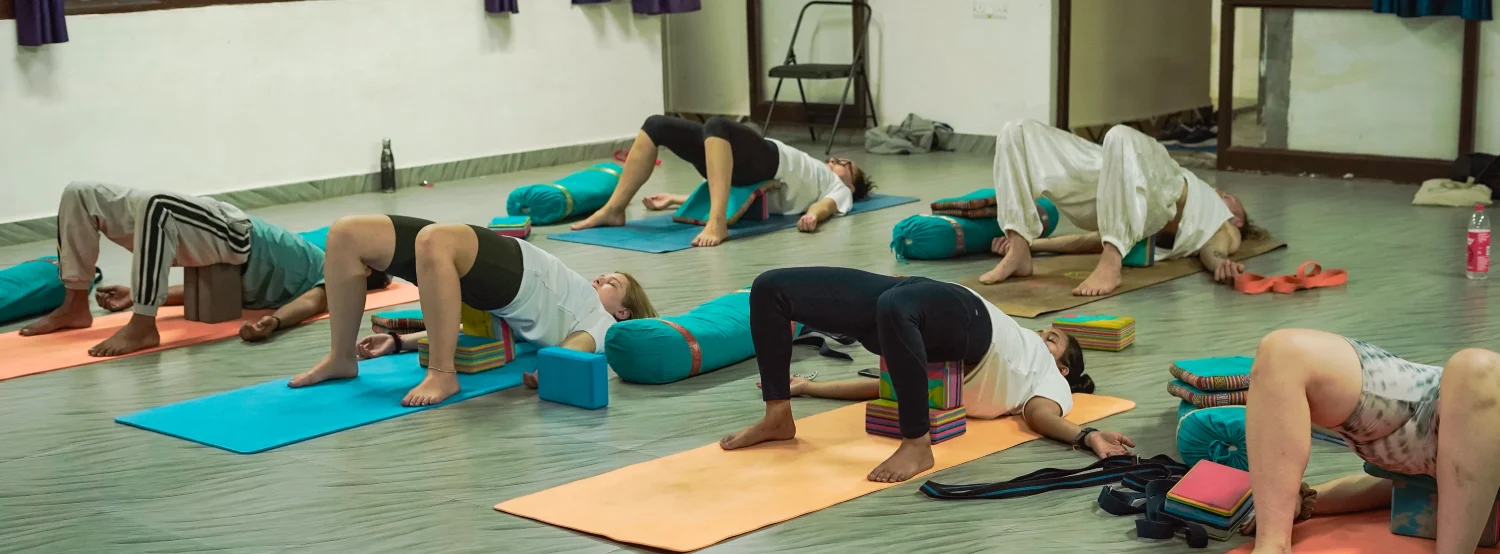
Physical postures, or asanas, form the most visible aspect of your 200 hr yoga course modules. However, you will move far beyond simply following a teacher’s cues; you will dissect every movement. You will learn the mechanics, benefits, and contraindications of each foundational pose.
This analytical approach ensures you can safely guide students of varying abilities. You will spend hours breaking down sun salutations, standing postures, and complex inversions. If you want to understand the deeper roots of this physical discipline, explore these Eight Limbs of Yoga Philosophy: 8 Best Steps to True Peace.
Alignment and Safe Adjustments
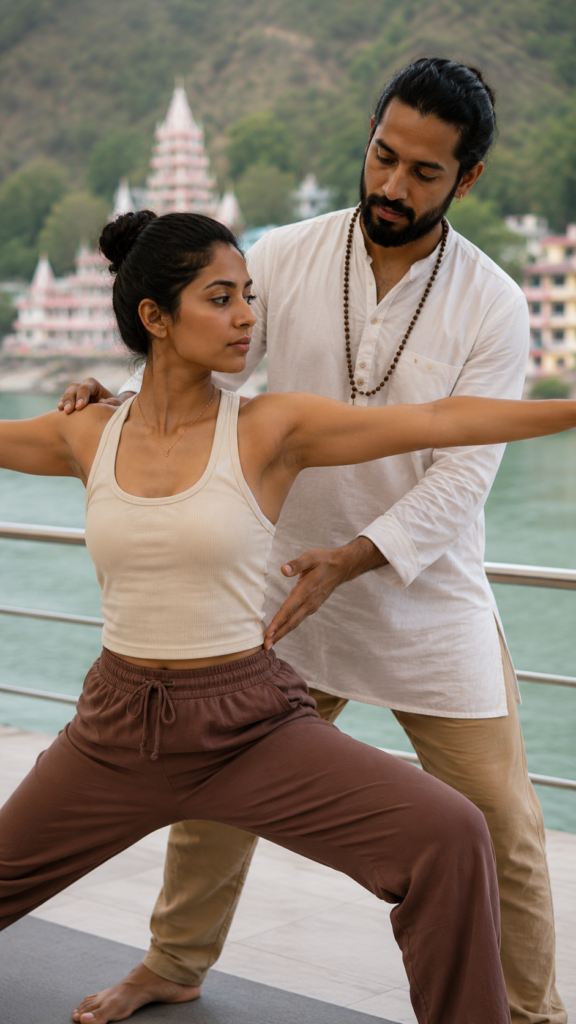
Knowing how to perform a pose is entirely different from knowing how to correct someone else. You will study the skeletal variations that dictate how different bodies express the same posture. This knowledge prevents injuries and fosters an inclusive environment for all your future students.
Hands-on adjustments require confidence, consent, and precise technique. You will practice these adjustments daily with your peers, learning how much pressure to apply and where to place your hands. If you are starting from scratch, you might want to look into a 100-Hour Yoga Teacher Training in Rishikesh to build initial confidence.
The Art of Sequencing
Stringing postures together randomly leads to disjointed and potentially harmful classes. You will learn the art and science of intelligent sequencing, ensuring your classes flow logically and safely. You will study peak pose sequencing, vinyasa flow dynamics, and restorative structures.
Understanding how to warm up the body for specific physical challenges is a non-negotiable skill. You will map out entire class plans, ensuring counter-poses are utilized effectively to balance the nervous system. This analytical training transforms you from a student who follows into a teacher who creates.
Yoga Anatomy and Physiology Essentials
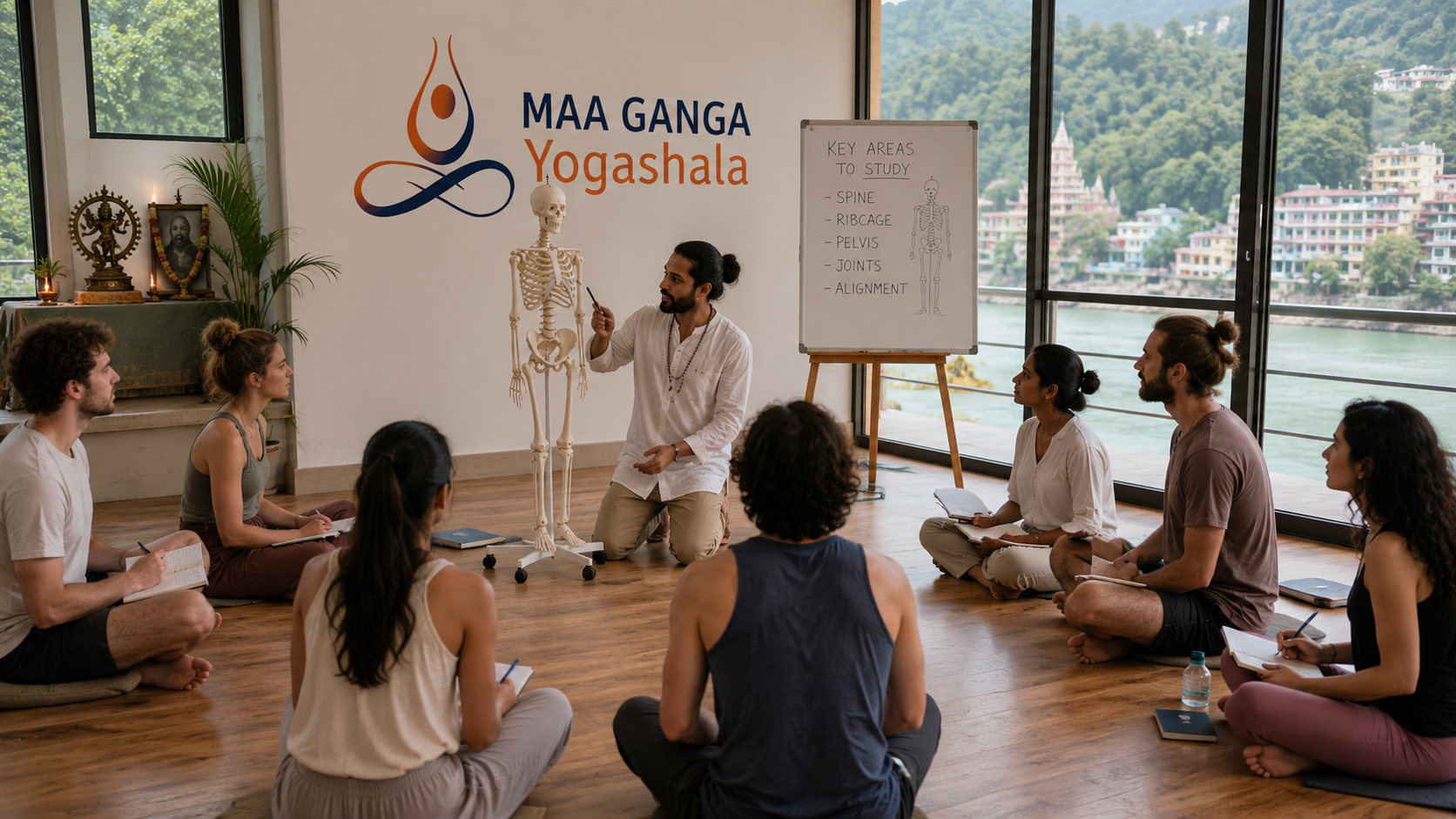
To teach movement safely, you must understand the machine that generates it. The anatomy module dives deep into the systems of the human body, specifically focusing on how they relate to yoga practice. You will study bones, joints, muscles, and fascia in meticulous detail.
Beyond the musculoskeletal system, you will explore the respiratory and nervous systems. Research published on platforms like PubMed frequently highlights the measurable impact yoga has on our parasympathetic nervous system. Understanding this science allows you to explain the benefits of yoga to your students with authority.
Physical Anatomy in Action
You will map the major muscle groups and learn their functions during specific asanas. Understanding concentric and eccentric contractions helps you cue effectively and prevent student fatigue. You will learn how the spine articulates and why protecting the lower back is crucial in every class.
Joint mechanics play a massive role in injury prevention. You will study the difference between tension and compression, learning why some students will never be able to bind in certain poses. This anatomical knowledge is the bedrock of safe, responsible teaching.
Energetic Anatomy and the Subtle Body
Eastern traditions view the body as a complex network of energy channels and centers. You will study the nadis (energy pathways) and the chakras (energy centers) that govern our physical and emotional well-being. This subtle anatomy explains the energetic shifts experienced during deep practice.
You will learn how specific postures, breathing techniques, and sounds influence these energy centers. If you are drawn to this aspect of the practice, you might later explore dedicated Chakra Balancing therapies. Integrating energetic cues elevates your teaching from a simple workout to a holistic experience.
Deepening the Mind: Philosophy Modules
The physical postures are only a tiny fraction of the overarching yoga tradition. The philosophical modules introduce you to the ancient texts that birthed the practice. You will study Patanjali’s Yoga Sutras, uncovering the psychological framework for achieving mental liberation.
You will also explore the Bhagavad Gita, analyzing its lessons on duty, action, and devotion. This historical context grounds your modern practice in authentic, time-tested wisdom. For more insights on how these teachings apply today, read our guide on Yoga Teaching Methodology TTC: 7 Best Proven Truths.
Ethics and the Lifestyle of a Teacher
Taking the seat of a teacher comes with immense responsibility. You will discuss the ethical guidelines that dictate the student-teacher relationship, focusing on boundaries and integrity. You will learn how to hold space for students experiencing emotional releases during practice.
The yogic lifestyle extends far beyond the mat, influencing your diet, your speech, and your daily habits. You will explore concepts like non-violence (Ahimsa) and truthfulness (Satya) in a practical, modern context. Integrating these ethics ensures you lead by example in your community.
Pranayama, Meditation, and Breathwork
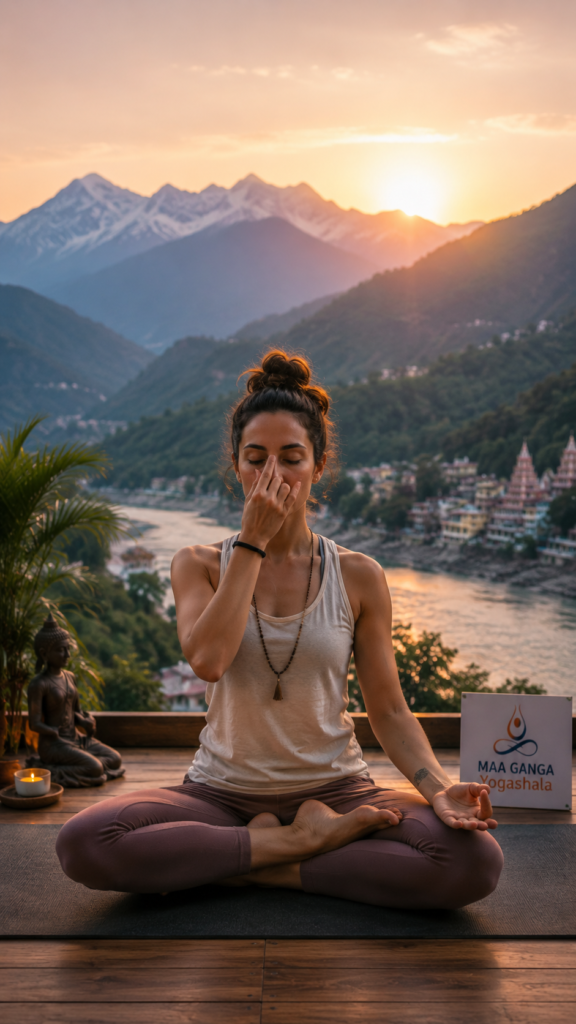
Breath is the bridge between the physical body and the mind. The 200 hour YTT curriculum subjects feature extensive training in pranayama (breath control) techniques. You will learn how to manipulate the breath to heat the body, calm the nervous system, or clear mental fog.
Techniques like Nadi Shodhana (alternate nostril breathing) and Kapalabhati (skull-shining breath) will become daily staples. You will study the physiological effects of these practices and learn how to teach them safely to beginners. Proper breathwork dramatically enhances the benefits of any physical asana practice.
The Science of Meditation
Guiding a room full of people into a state of stillness is a formidable challenge. You will explore various meditation techniques, from mindfulness and concentration to mantra repetition. You will learn how to cue relaxation effectively, helping students surrender during Savasana.
Sound frequently plays a role in shifting brainwave states during meditation. You will discover how specific vibrations calm the mind and prepare the body for deep rest. To understand this deeper, look into specialized Sound Healing practices. You can also explore the Mantra Chanting Sound Healing Science: 7 Best Proven Facts to expand your knowledge.
Teaching Methodology and Practicum
All the theory in the world means nothing if you cannot communicate it clearly. The teaching methodology modules focus on the practical skills required to command a room. You will refine your voice, your body language, and your pacing to create a supportive atmosphere.
You will learn how to observe a room, scanning for misalignments while simultaneously delivering clear verbal cues. This multitasking requires immense focus and repetition to master. If you want a clear roadmap of what happens after graduation, check out this guide on a Yoga Teacher Career After 200 Hour TTC: 7 Best Steps.
The Practicum Experience
The practicum is where you finally step into the role of the instructor. You will begin by teaching small sections of a class to your peers, receiving immediate, constructive feedback. Gradually, you will build up to teaching a full, comprehensive yoga class.
This process can be intimidating, but it is the most vital part of your growth. You will learn how to manage your nerves, project your voice, and handle unexpected disruptions in the classroom. This hands-on experience guarantees you leave the training ready to teach public classes immediately.
Why Rishikesh Elevates Your Training
Studying yoga in its birthplace provides an unparalleled layer of authenticity to your education. Rishikesh is globally recognized as the yoga capital of the world, steeped in centuries of spiritual history. The energy of the environment naturally accelerates your learning and personal growth.
Practicing alongside the sacred Ganga River offers a serene backdrop for intense physical and mental exertion. You are surrounded by a community of dedicated seekers, masters, and sages. Discover more about this magical location in our post on Tapovan Rishikesh Yoga: 7 Best Reasons It Changes You.
The immersive nature of Rishikesh removes the distractions of your daily life. You can focus entirely on your curriculum without the pull of work or social obligations. This isolation allows for a deeper, more profound transformation during your training weeks.
Planning Your Next Steps
Choosing the right environment to tackle these intense subjects makes all the difference in your educational journey. You need a space that offers authentic teachings, experienced instructors, and a supportive community. It is vital to find a school that respects traditional wisdom while applying modern safety standards.
If you’re considering training in Rishikesh, we at Maa Ganga Yogashala offer comprehensive programs designed to nurture your growth. Our curriculum rigorously covers every essential module while providing a welcoming home base in Tapovan. We ensure your transition from student to teacher is seamless and deeply rewarding.
Frequently Asked Questions
Do I need to be advanced in asana to handle the curriculum?
No, you do not need to perform advanced acrobatic poses to succeed. The curriculum focuses on your ability to understand, align, and teach foundational postures safely. A willingness to learn is far more important than physical flexibility.
How much time is spent actually teaching others?
Practicum hours usually make up a significant portion of the final weeks. You will start teaching small sequences to partners almost immediately to build confidence early. By the end of the course, you will lead a full-length class.
Is the anatomy module difficult if I have no medical background?
The anatomy curriculum is specifically tailored for yoga practitioners, not medical students. It focuses strictly on practical, functional movement related to the poses. The instructors break down complex concepts into digestible, applicable lessons.
Will I learn about the business side of teaching yoga?
Yes, reputable programs include modules on the business of yoga. You will learn about marketing yourself, finding teaching opportunities, and navigating insurance and liability. This prepares you for the practical realities of your new career.
Conclusion and Final Thoughts
Understanding the 200 hour YTT curriculum subjects is the best way to mentally prepare for the transformative journey ahead. From breaking down complex anatomical systems to exploring ancient philosophies, this curriculum rebuilds your understanding of the mind-body connection. You will graduate not just as a stronger practitioner, but as a confident, capable leader ready to share this ancient practice with the world.
The dedication required to master these subjects will challenge you, but the rewards will echo throughout your entire life. Ready to begin? Explore our 200-Hour Yoga Teacher Training in Rishikesh and take the first step today.