200 Hour YTT Duration Timeline: The Ultimate 23-Day Breakdown
Understanding the exact 200 hour YTT duration timeline is the most important step before booking your flight to India. You need to know exactly how your days, weeks, and weekends will unfold during this intensive training.
Stepping away from your normal life for nearly a month requires serious logistical planning. You are committing your time, energy, and resources to a profound personal and professional shift.
This guide breaks down exactly what happens during those 23 days. You will learn how the hours are divided, what your daily routine looks like, and how your body and mind will adapt.
By the end of this breakdown, you will know precisely what to expect from the moment you arrive until graduation day.
Decoding the 200 Hour YTT Duration Timeline
When you first look at the requirements for a yoga certification, the sheer volume of hours can feel overwhelming. The 200 hour YTT duration timeline is strategically designed to cover every essential aspect of teaching.
These hours are strictly regulated by international governing bodies. According to Yoga Alliance standards, the curriculum must be divided into specific educational categories.
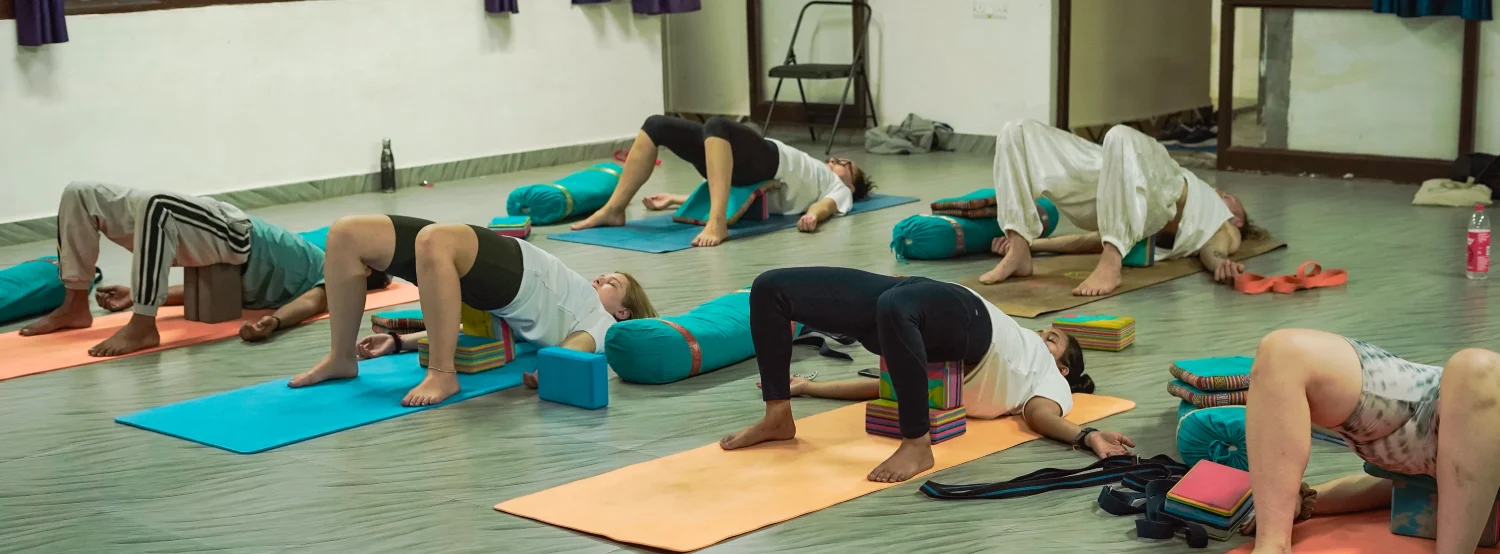
You will spend substantial time on techniques, training, and practice. This includes everything from perfecting your own asanas to mastering pranayama and meditation techniques.
Another large chunk of time is dedicated to anatomy and physiology. You must understand how the human body moves, the skeletal structure, and how to prevent injuries in your future students.
Yoga humanities, which covers philosophy, lifestyle, and ethics, also takes up a significant portion of your training. You will study ancient texts and learn how to apply these concepts to modern teaching.
Finally, professional essentials and teaching methodology complete the syllabus. This is where you actually learn how to sequence classes, use your voice, and guide students safely.
The Standard 23-Day Immersion
You might wonder why the standard 200 hour YTT duration timeline usually spans exactly 23 to 25 days in Rishikesh. This timeframe perfectly balances intensive learning with necessary physical recovery.
A traditional immersion program condenses the 200 hours into roughly three and a week weeks. This requires you to complete about 7 to 8 hours of active learning and practice each day.
Spreading the course over 23 days allows for one rest day per week. Your body absolutely needs this downtime to repair muscles and process the massive amount of information you are absorbing.
Shorter courses, like 14-day intensives, exist but often lead to severe burnout. Cramming 14 hours of daily practice and study leaves zero room for integration or personal reflection.
On the other hand, weekend-only courses spread over six months lack the highly focused, immersive energy found in India. The 23-day model pulls you completely out of your daily distractions.
This specific timeline allows you to fully live the yogic lifestyle. You wake up with the sun, eat an Ayurvedic diet, and breathe yoga from morning until night.
A Week-by-Week Breakdown
To truly understand how this journey unfolds, we must look at the progression of the curriculum. Each week builds directly upon the foundation laid in the previous days.
The structure is intentionally designed to guide you from a raw beginner in teaching to a confident, capable guide. You will experience distinct phases of physical challenge and mental breakthroughs.
Week 1: Grounding and Foundations
The first week is always the most challenging phase of the entire program. Your body is adjusting to a rigorous new physical routine, a different climate, and early morning wake-up calls.
During these initial days, the focus is entirely on breaking down foundational postures. You will spend hours in alignment clinics, learning the precise mechanics of a basic downward dog or chaturanga.
Expect serious muscle soreness during this week. You are likely practicing Hatha and Ashtanga styles for up to four hours daily, utilizing muscles you never knew existed.
Mentally, you will dive into the history of yoga and basic anatomical terms. The goal here is to empty your cup and unlearn any bad habits you may have picked up in casual studio classes.
Week 2: Deepening the Practice
By the second week, the intense physical shock begins to wear off. Your muscles adapt, your endurance increases, and waking up at 5:30 AM starts to feel natural.
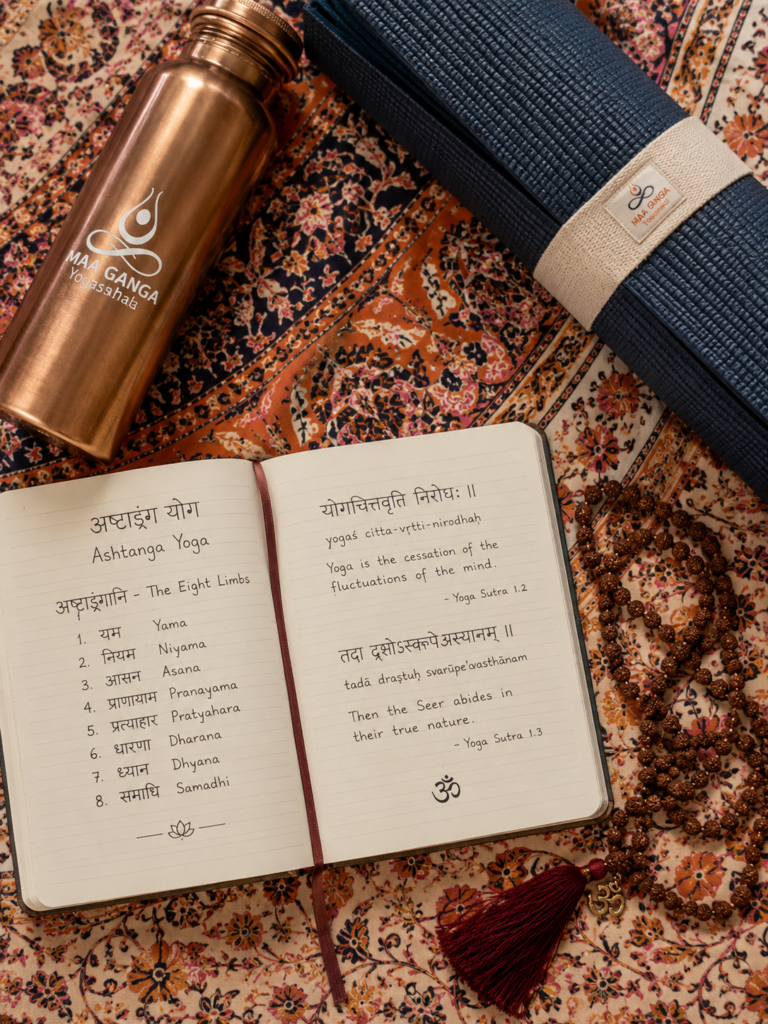
This week shifts focus toward the subtle body and deeper philosophical concepts. You will explore the Eight Limbs of Yoga Philosophy to understand that the physical postures are just a small fraction of the practice.
Pranayama (breathwork) and meditation sessions become longer and more profound. You will learn how to direct energy and understand the mechanics of the respiratory system.
Anatomy classes will cover the nervous system and how yoga affects stress responses. This week often brings profound emotional releases as your body lets go of deeply stored tension.
Week 3: Teaching Methodology and Confidence
Week three is when you transition from a student into a teacher. The theoretical knowledge you gained in the first two weeks must now be put into practical application.
You will spend significant time mastering Yoga Teaching Methodology TTC principles. This includes voice modulation, cueing, creating intelligent sequences, and managing classroom dynamics.
You will start teaching small segments of a class to your peers. At first, it is terrifying to stand in front of others and command a room, but daily practice rapidly builds your confidence.
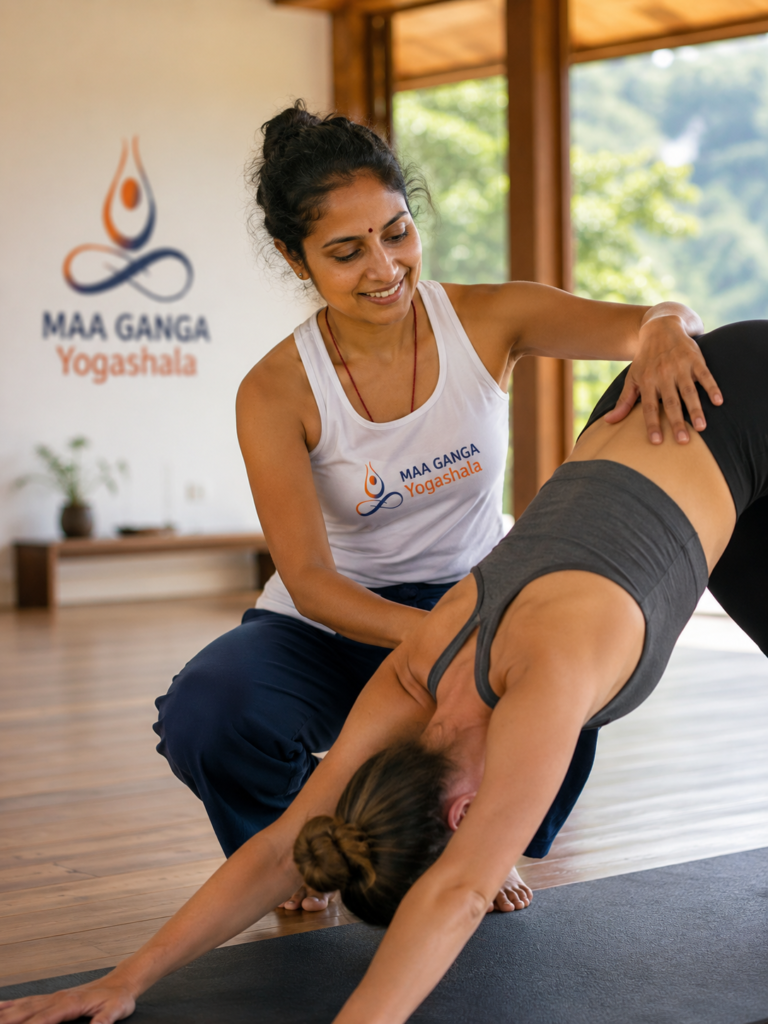
Alignment classes now focus on hands-on adjustments. You will learn how to safely touch and guide students deeper into their postures without causing harm.
Final Days: Practicum and Graduation
The final few days of the course are dedicated to your teaching practicum and written examinations. This is your opportunity to showcase everything you have learned over the past three weeks. PubMed.
You will be required to design and teach a full 60-minute or 90-minute class to your fellow trainees. Your lead teachers will observe, take notes, and provide constructive, detailed feedback.
Written exams will test your knowledge of anatomy, philosophy, and basic Sanskrit terminology. While it sounds intimidating, the entire 23-day journey has prepared you perfectly for this moment.
Graduation day is a beautiful, emotional celebration. You will receive your certificate, participate in a traditional fire ceremony, and realize just how far you have come.
What a Typical Day Looks Like
The daily schedule during a yoga immersion is highly structured and disciplined. Every hour is accounted for to ensure you meet the strict international certification requirements.
Your day usually begins around 5:30 AM with a morning bell. By 6:00 AM, you are on your mat for Shatkarma (cleansing techniques), followed by intense pranayama and meditation.
At 7:00 AM, you will move into your first dynamic physical practice, typically Ashtanga Vinyasa. This two-hour session builds heat, strength, and stamina for the day ahead.
Breakfast is served at 9:00 AM. You will eat sattvic, vegetarian food designed to nourish your body without making you feel heavy or lethargic during lectures.
From 10:30 AM to 1:00 PM, you will attend theory classes. This block is usually split between anatomy and yoga philosophy, requiring you to take detailed notes.
Lunch is at 1:00 PM, followed by a dedicated rest period until 3:00 PM. This downtime is crucial for studying, showering, or simply taking a short nap to recharge.
The afternoon session begins at 3:00 PM with teaching methodology or alignment clinics. This is highly interactive, requiring you to work with partners and practice verbal cues.
At 4:30 PM, you will engage in your second physical practice of the day. This is often a gentler Hatha or Yin yoga class, focusing on deep stretching and holding postures.
Dinner is served at 7:00 PM, followed by occasional evening activities like Satsang, kirtan, or Sound Healing. Lights are usually out by 9:00 PM so you can rest.
Preparing for the 200 Hour YTT Duration Timeline
Physical and mental preparation before arriving in India will drastically improve your experience. Do not wait until day one to start building your stamina and flexibility.
Aim to practice yoga at least five days a week in the month leading up to your departure. Mix vigorous Vinyasa classes with slower Yin sessions to prepare your body for varied intensities.
Start adjusting your sleep schedule early. Waking up earlier at home will make the 5:30 AM starts in India feel much less jarring to your nervous system.
Familiarize yourself with basic anatomy and read introductory texts on yoga philosophy. Having a baseline understanding will make the dense lectures much easier to digest and retain.
Pack intelligently for the climate and culture. Reading up on What to Pack Yoga Retreat Rishikesh ensures you bring the right modest clothing and essential items.
Mental preparation is equally vital. There are numerous peer-reviewed studies showing how intensive mind-body practices alter stress hormones, so prepare for emotional shifts.
Arrive with an open mind and a willingness to be challenged. Leave your expectations at the door and trust the traditional process that has shaped thousands of successful teachers.
Why Rishikesh? / Why This Matters
Choosing where to spend your 23 days is just as important as the syllabus itself. Rishikesh is universally recognized as the Yoga Capital of the World for very good reasons.
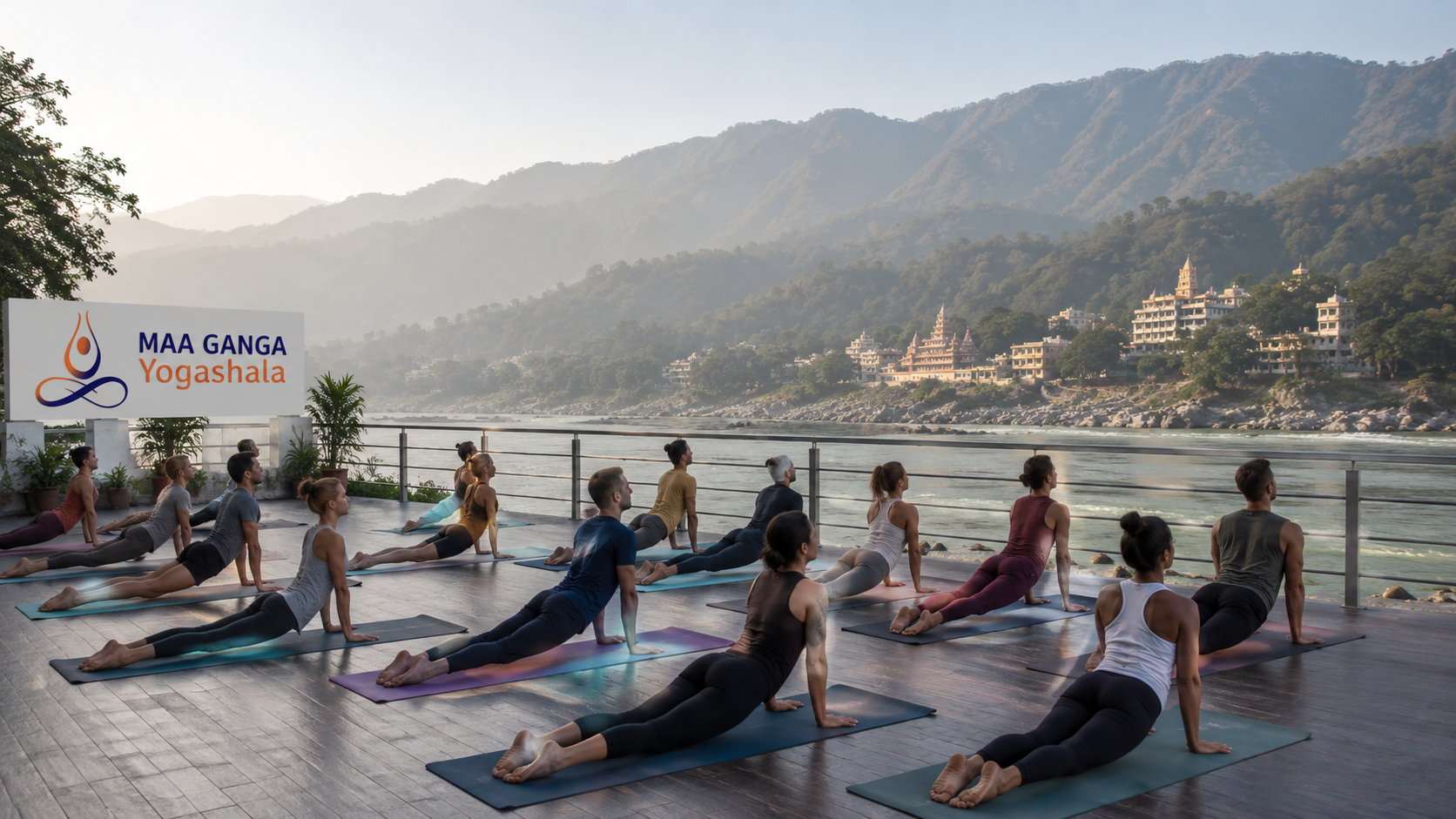
The energy in this Himalayan town is incredibly supportive of deep spiritual work. Generations of sages, saints, and serious practitioners have meditated on the banks of the Ganga River.
Training here connects you directly to the authentic, ancient roots of the practice. You are learning from teachers who have lived this lifestyle since childhood, not just weekend workshop attendees.
Specifically, the Tapovan Rishikesh Yoga community provides a safe, vibrant environment for international students. You will be surrounded by like-minded seekers from across the globe.
The local environment accelerates your learning process. The sounds of temple bells, the sight of the sacred river, and the pure Himalayan air all contribute to a transformative experience.
A Trusted Space for Your Journey
If you are currently evaluating schools and finalizing your plans, choosing the right environment is crucial. You need a space that offers authentic teachings alongside comfortable, safe accommodations.
At Maa Ganga Yogashala, we provide a deeply traditional yet highly supportive environment for international students. Our curriculum is designed to challenge you while ensuring you feel held and guided every step of the way.
Our teachers are deeply invested in your personal growth and professional success. We focus heavily on precise alignment, authentic philosophy, and building genuine teaching confidence.
FAQs
Can I complete the training faster than 23 days?
While some schools offer 14-day intensive programs, we strongly advise against them. Condensing 200 hours into two weeks leaves no time for physical recovery, studying, or emotional processing. You risk severe burnout, injury, and a shallow understanding of the complex material.
Is there any free time during the timeline?
Yes, but it is limited. You will generally have Sundays completely off to rest, explore the local markets, or relax by the river. During the week, you have a two-hour break after lunch to study, nap, or handle personal tasks.
What happens if I miss a class?
Attendance is strictly monitored to meet international certification standards. If you are genuinely ill, schools will work with you to make up the hours through extra assignments or private reviews. Skipping classes for leisure is not permitted.
What are my options after I finish?
Graduation is just the beginning of your journey. Many graduates immediately begin planning their Yoga Teacher Career After 200 Hour TTC. You can teach at local studios, host private sessions, lead online classes, or even organize your own global wellness retreats.
Conclusion
Committing to a 200 hour YTT duration timeline is one of the most rewarding decisions you will ever make. Those 23 days will push your physical boundaries, expand your mental clarity, and completely reshape your perspective.
You now know exactly how the weeks are structured, what your daily schedule demands, and how to prepare effectively. The mystery is removed, leaving only the excitement of the journey ahead.
The transformation that occurs during this focused, intensive period is profound. You will arrive as a student eager to learn and leave as a confident teacher ready to share your knowledge.
Are you ready to take the leap and begin your teaching journey in the Yoga Capital of the World? Explore our comprehensive 200-Hour Yoga Teacher Training in Rishikesh and secure your spot for our upcoming intake today.