Yoga Teacher Training Beginners FAQ: What You Need to Know
Diving into a yoga teacher training beginners FAQ is exactly what you need to clear the mental clutter before booking your trip. Have you been dreaming about deepening your practice in India but feel overwhelmed by all the unknowns?
It is completely normal to have a hundred questions swirling in your mind before taking such a big leap. Committing to an immersive month of asanas, philosophy, and self-discovery is a massive decision.
You want to know if you are physically ready. You wonder if your body can handle the demands of a daily, rigorous practice schedule.
This guide strips away the confusion and gives you honest, practical answers. We will explore exactly what it takes to thrive during your certification.
Understanding the Yoga Teacher Training Beginners FAQ
Every comprehensive yoga teacher training beginners FAQ addresses the core purpose of a YTT program. It is not just about mastering complex physical postures or achieving peak fitness.
A true foundational course rebuilds your understanding of the mind-body connection from the ground up. You learn the precise mechanics of breath, movement, and intentional stillness.
Many beginners mistakenly believe they must perform flawless handstands to even enroll. In reality, flexibility and physical strength are results of the practice, not prerequisites.
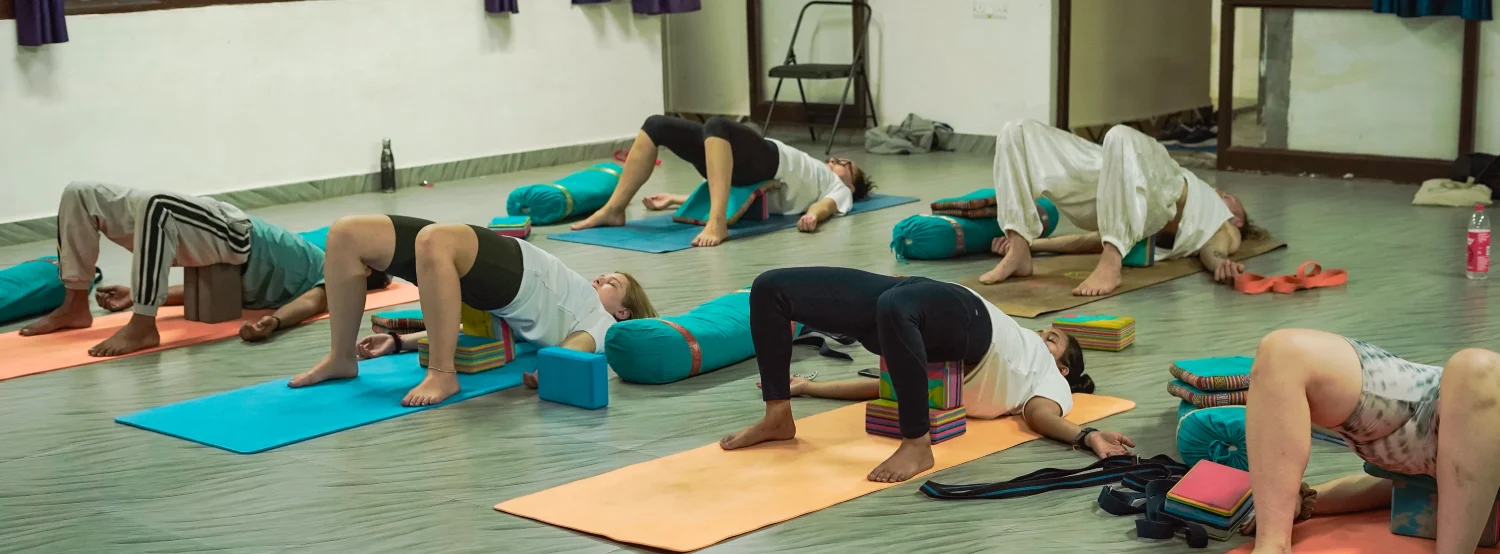
The curriculum breaks down postures step by step. You study alignment, contraindications, and vital modifications for every unique body type.
This deep dive ensures you practice safely before you ever attempt to teach others. The goal is profound personal transformation first, and teaching methodology second.
Who Can Join a Yoga Teacher Training Program?
The most common question revolves around basic eligibility. The truth is, anyone with a sincere, burning desire to learn can join a YTT program.
You do not need to be a gymnast or a seasoned athlete. You do not need years of expensive studio experience.
What you need is a fiercely open mind and a willingness to be a humble student. The training is carefully designed to meet you exactly where you are today.
Age and Physical Fitness Realities
Age is never a barrier in authentic, traditional yoga. People in their early twenties learn beautifully alongside individuals in their sixties.
Physical fitness certainly helps with the rigorous daily schedule. However, your stamina builds incredibly fast during your very first week on the mat.
Previous Experience Levels
Having some foundational knowledge of basic poses is highly beneficial. It prevents you from feeling completely lost during your first dynamic vinyasa flow class.
If you want to build that solid foundation first, check out a Beginner Yoga Course in Rishikesh to get a confident head start.
Preparing Mentally and Physically for YTT
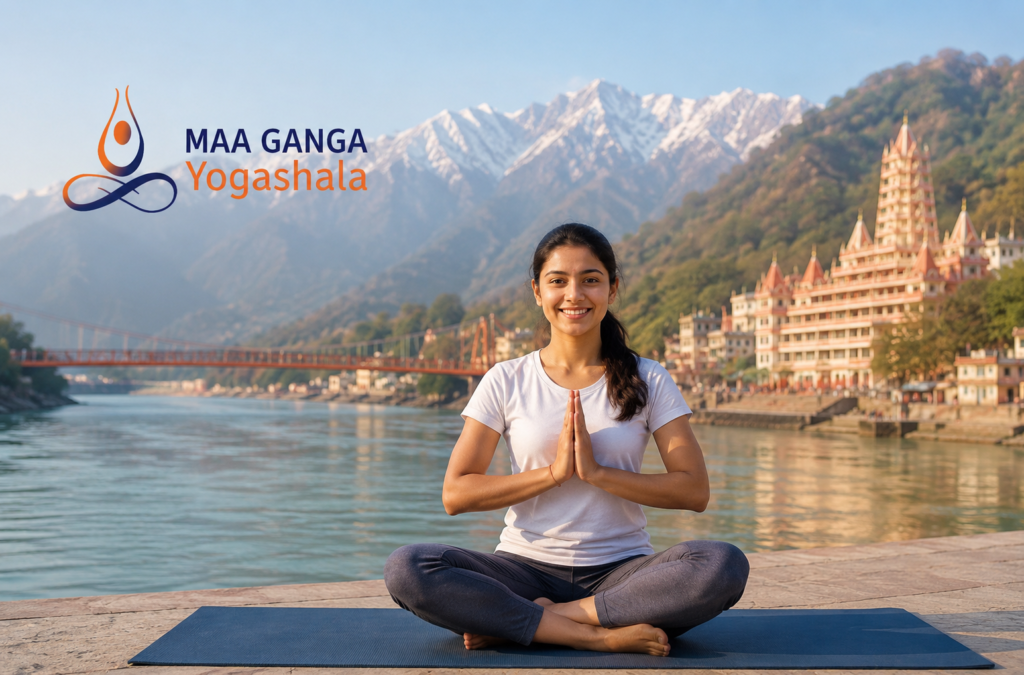
Physical preparation involves rolling out your mat consistently before you arrive. You do not need to push yourself to practice for hours daily.
Aim for thirty minutes of mindful, intentional movement. Focus intensely on breath awareness and holding basic postures correctly.
Mental preparation is arguably far more critical than physical readiness. You are stepping way out of your comfort zone and leaving your daily routines behind.
Institutions like Yoga Alliance set rigorous standards to ensure schools provide a well-rounded curriculum, but you must bring the mental focus.
For a deep dive into preparation strategies, read our full guide on Yoga Teacher Training India Preparation: 7 Ultimate Steps.
What Does the Daily Schedule Look Like?
Immersive training means your days are fully structured from sunrise to sunset. This level of discipline is absolutely essential for true transformation.
You typically wake up well before dawn. The morning begins quietly with traditional cleansing practices, followed by pranayama and chanting.
A vigorous physical practice comes next. This intense morning session challenges your stamina and wakes up your entire nervous system.
After a nourishing, healthy breakfast, you move right into theoretical classes. These cover crucial topics like anatomy, physiology, and ancient philosophy.
The day usually ends with a slow restorative practice, guided meditation, or sound healing. Understanding Singing Bowl Sound Healing: 7 Powerful Reasons It Works can give you insight into these relaxing evening sessions.
Choosing Between Course Lengths
Many beginners struggle deeply to decide on the duration of their training. The choice depends entirely on your available time, budget, and long-term goals.
A standard, recognized certification requires two hundred hours of dedicated study. This is the global benchmark for becoming a registered, working instructor.
However, not everyone can easily take a full month off from their busy lives. This is where shorter, intensive programs become incredibly valuable.
You can comfortably split your training into two separate, manageable modules. Completing the first half allows you to experience the intensity without the daunting full-time commitment.
To understand the specific differences in depth, heavily explore the 100 Hour vs 200 Hour Yoga Teacher Training: Best Real Guide.
Understanding Yoga Philosophy as a Beginner
Philosophy is the true beating heart of your entire training journey. You move far beyond the physical shapes and begin to deeply explore the mind.
Ancient texts like the revered Yoga Sutras of Patanjali offer a brilliant roadmap for living. They teach you exactly how to calm the endless fluctuations of the mind.
The Eight Limbs Explained Simply
Physical asanas are surprisingly just one of the eight limbs of yoga. The transformative journey actually begins with Yamas and Niyamas, which are internal and external ethical disciplines.
You learn about radical non-violence, strict truthfulness, and deep contentment. These core principles transform exactly how you interact with the world and yourself.
For much deeper insights into this ancient, life-changing wisdom, explore the Eight Limbs of Yoga Philosophy: 8 Best Steps to True Peace.
Anatomy and Alignment in YTT
A thorough, confident grasp of anatomy heavily protects you and your future students. It is a highly critical component of any legitimate, safe certification.
You study the complex skeletal and muscular systems in great detail. You learn exactly which muscles engage and which must stretch in specific postures.
This practical knowledge allows you to correct misalignments confidently and swiftly. You learn the crucial difference between safe, productive tension and dangerous pain.
The Yogic Diet and Sattvic Living
Exactly what you consume directly impacts your physical practice and your daily energy levels. Training in India immediately introduces you to the powerful concept of a sattvic diet.
Sattvic food is incredibly fresh, strictly vegetarian, and wonderfully easily digestible. It includes abundant seasonal fruits, vegetables, whole grains, and healthy legumes.
It completely avoids heavy, highly processed, or overly spicy foods that purposefully make the body sluggish. This pure, clean diet intensely supports mental clarity and drastically deepens your meditation.
Within just days of eating this way, you notice a massive shift in your vitality. Your body feels noticeably lighter, and your mind feels incredibly sharper.
Emotional Release During Yoga Teacher Training
Intense, daily physical practice heavily unlocks tension stored deeply in the body. It is incredibly common to experience sudden, unexpected emotional releases.
Deep hip openers and expansive backbends are particularly known for triggering these wild reactions. You might suddenly find yourself crying on the mat for no logical reason at all.
This is a profoundly healthy and totally necessary part of the healing process. The safe, guarded environment of an ashram allows you to process these complex emotions without any judgment.
Why Rishikesh? / Why This Matters
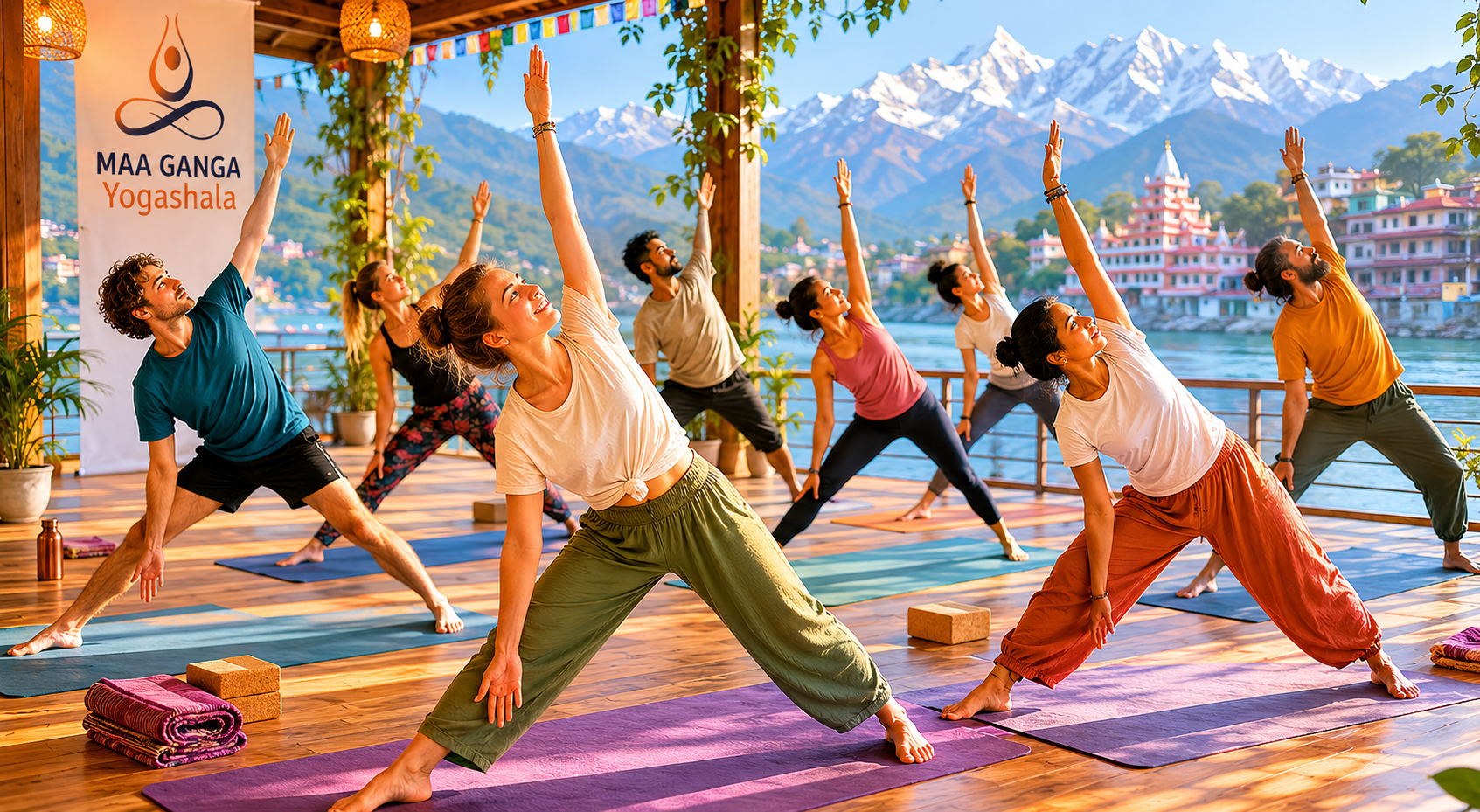
Rishikesh is universally recognized and celebrated as the yoga capital of the world. Practicing here is an entirely different, highly elevated experience than practicing in a standard Western studio.
The towering energy of the Himalayas and the sacred, rushing Ganges River creates an unmatched atmosphere of deep spiritual focus. You are constantly surrounded by ashrams, true seekers, and wise masters.
The authentic traditions here have been carefully passed down for centuries. You learn raw, authentic practices totally free from modern commercial dilution.
The traditional, holistic health systems taught here align with the highest, most respected standards, heavily researched and documented by institutions like the Ministry of Ayush.
A Supportive Environment for Your Growth
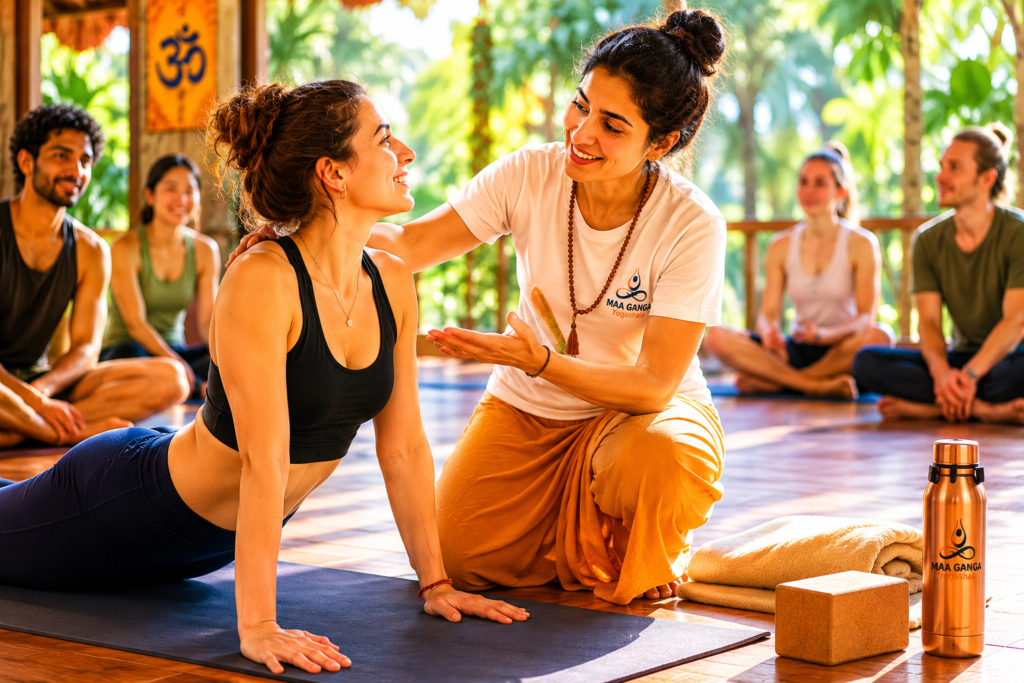
Finding the absolute right school is highly critical for a positive, life-altering first experience. You desperately need knowledgeable teachers who actively prioritize your safety and well-being.
If you’re considering training in Rishikesh, Maa Ganga Yogashala offers a deeply supportive, highly traditional environment right on the beautiful banks of the Ganges.
We intentionally keep our class sizes perfectly manageable so you receive intense personalized attention. Our teachers guide you very patiently through every single step of the curriculum.
FAQs
Do I need to want to teach to take this course?
Absolutely not. A massive percentage of students join simply to drastically deepen their personal practice.
Is a 200-hour course too much for a total beginner?
It is designed specifically for beginners to successfully build a massive, rock-solid foundation.
What should I specifically pack for India?
Pack highly comfortable clothes, an incredibly open mind, and basic, minimal toiletries.
Conclusion: Take the First Step
Reviewing this yoga teacher training beginners FAQ gives you the absolute clarity to move forward bravely. The hardest part is almost always simply deciding to finally go.
You will sweat heavily, you will learn endlessly, and you will grow in ways you cannot yet even imagine. The immense challenges you face on the mat will rapidly translate into deep resilience off the mat.
Trust the entire process and strongly trust your own readiness. Everything you genuinely need is already right within you, just waiting to be awakened.
Ready to boldly transform your life? Explore our 100-Hour Yoga Teacher Training in Rishikesh to start softly, or fully commit to our 200-Hour Yoga Teacher Training in Rishikesh and begin your incredible journey today.