Yoga Alliance Certification Worth It? The Ultimate Guide
Is Yoga Alliance certification worth it when you are planning your future as a professional instructor? You are about to invest significant time, energy, and money into your education, and choosing the right path is crucial.
Stepping into the role of a yoga teacher is a profound life transition. You want your credentials to open doors globally while ensuring your training remains deeply authentic.
The industry offers two distinct paths: globally registered schools and independent traditional ashrams. Navigating this choice can feel overwhelming when you just want to focus on your practice.
You need clear, unbiased facts about what these credentials actually mean for your daily life as a teacher. Your future students rely on your expertise, and your certification sets the foundation for everything you will share.
This guide breaks down exactly what matters most when choosing your training path. You will discover the practical differences, the career impacts, and how to select a program that aligns perfectly with your goals.
Is Yoga Alliance certification worth it for your teaching journey?
When you begin researching programs, you will immediately notice one specific credential dominating the market. You might naturally wonder if this stamp of approval is strictly necessary for your success.
The short answer depends entirely on where and how you plan to share your practice. If your goal involves working in commercial studios, gyms, or corporate wellness programs, this credential often acts as your key to entry.
Most modern fitness facilities use this registry as a baseline filtering tool for new hires. It provides them with immediate assurance that you have completed a minimum number of structured contact hours.
However, having the credential alone does not automatically make you an exceptional guide. Your personal practice, dedication, and ability to connect with students will ultimately define your success.
Many highly successful instructors build thriving private practices without ever joining a registry. They rely on word-of-mouth, profound knowledge, and specialized skills to attract their dedicated student base.
You must weigh your immediate career goals against the ongoing costs of maintaining your registered status. Understanding your target market is the first step in determining your ideal educational path.
If you are curious about the long-term prospects of this profession, you can explore the realities of building a yoga teacher career after 200 hour TTC.
Understanding the mechanics of global yoga registration
To make an informed choice, you must understand exactly how the primary credentialing body operates. It is crucial to realize that they do not directly train, test, or certify teachers themselves.
Instead, Yoga Alliance functions as a professional registry and standard-setting organization. They create educational frameworks that approved schools must follow to maintain their active status.
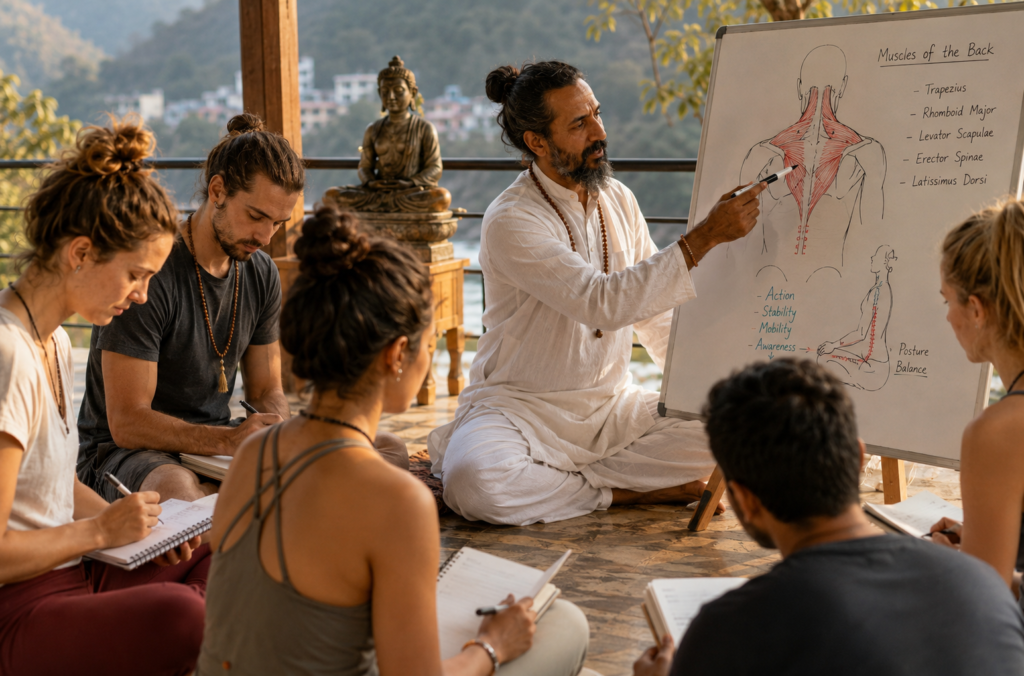
When a school registers with them, they agree to allocate specific hours to anatomy, philosophy, methodology, and practicum. This ensures you receive a well-rounded education rather than just an intensive physical workout.
The tier system explained
You will enter the registry at the 200-hour level, which serves as your foundational teaching credential. This designation proves you have grasped the essential mechanics of sequencing, safety, and basic philosophy.
As you gain experience and continue your education, you can upgrade your status to higher tiers. Achieving the 500-hour level or becoming an Experienced Registered Yoga Teacher (E-RYT) opens doors to leading your own training programs.
These continuing education requirements ensure that registered teachers remain active students throughout their careers. It creates a global community of professionals committed to ongoing growth and development.
The undeniable benefits of choosing a registered school
Opting for a registered program provides a distinct layer of professional security as you launch your career. It acts as an internationally recognized passport, allowing you to teach in multiple countries with relative ease.
Insurance companies heavily favor instructors who hold these standardized credentials. Securing liability insurance becomes a seamless process when you can simply upload a recognized certificate to your provider.
This standardization also protects you as a consumer when investing in your education. You know exactly how many hours will be dedicated to each subject before you ever unroll your mat.
You will not find yourself in a program that ignores anatomy entirely in favor of endless chanting. The structured syllabus guarantees a comprehensive baseline of knowledge necessary for keeping your future students safe.
If you want to dive deeper into exactly what these standardized modules entail, review the core 200 hour YTT curriculum subjects that shape your learning.
Furthermore, the registry provides access to a network of ongoing educational resources and workshops. You receive professional discounts, legal resources, and community support that can prove invaluable in your early teaching days.
The hidden strengths of independent yoga certifications
While registered programs offer standardized security, independent certifications hold immense power in their authenticity. These programs often trace their roots directly back to specific Himalayan lineages or historical ashrams.
Independent schools are not bound by Western hour requirements, allowing them to dive infinitely deeper into specialized topics. A traditional program might spend weeks focused entirely on advanced pranayama or deep meditative states.
If your goal is spiritual mastery rather than commercial studio teaching, an independent path might serve you better. You receive uncompromised teachings exactly as they have been handed down through generations of dedicated masters.
Many traditional Indian ashrams operate entirely outside the global registry system yet produce profoundly skilled instructors. Their reputation relies on the power of their lineage rather than a modern stamp of approval.
These programs often demand intense devotion and longer study periods than standardized courses. You might live with your teacher for months, absorbing the practice through direct daily observation and immersive lifestyle integration.
For those interested in how these traditional settings operate, reading a genuine Maa Ganga Yogashala review can shed light on the authentic ashram experience.
Yoga Alliance certification worth it: Breaking down the costs
Finances play a massive role in your educational decisions, and you must look beyond the initial tuition fee. Your training represents a significant investment, and understanding the true cost of each path is vital.
Registered training programs typically carry a higher initial price tag due to their own compliance and registration fees. The school passes these administrative costs down to the students to maintain their global standing.
Once you graduate, you must pay an initial registration fee to add your name to the global directory. You are then responsible for an annual renewal fee to keep your profile active and searchable.
You must calculate whether these ongoing costs align with your projected teaching income. If you only plan to teach one community class a week, the annual fees might outweigh your professional earnings.
However, if you plan to teach full-time, host international retreats, or open your own studio, the investment quickly pays off. The credibility and immediate trust you establish with new clients easily cover the yearly administrative costs.
Ultimately, you are paying for visibility, trust, and standardized professional backing. You must decide if those specific career assets are essential for your unique business model.
Curriculum comparisons you cannot ignore
The difference between these two paths becomes glaringly obvious when you examine their daily schedules. Standardized programs strictly separate subjects into distinct, trackable hours to meet rigid administrative requirements.
You will have dedicated blocks for anatomy, followed by specific hours for teaching methodology and history. This modular approach works brilliantly for analytical minds who thrive on clear structure and organized information retention.
Independent programs often blur these lines, teaching philosophy natively while you are holding a physical posture. The integration is seamless, reflecting how yoga was historically taught before the modernization of the practice.
Government bodies also recognize the value of both structured and traditional approaches to wellness. In India, institutions like the Ministry of Ayush actively promote standardizing traditional knowledge while deeply respecting its ancient origins.
If you are debating whether to pursue this education digitally or physically, you must consider how these curriculums translate. Understanding the nuances between online vs in person 200 hour YTT will significantly impact your final decision.
Your learning style should dictate which curriculum structure you choose. If you need rigid organization to learn effectively, a registered syllabus will provide exactly the framework you require.
Why Rishikesh elevates your entire training experience
Regardless of which credential you pursue, your physical environment drastically impacts your educational absorption. Studying in the birthplace of yoga provides an energetic advantage that cannot be replicated anywhere else on earth.
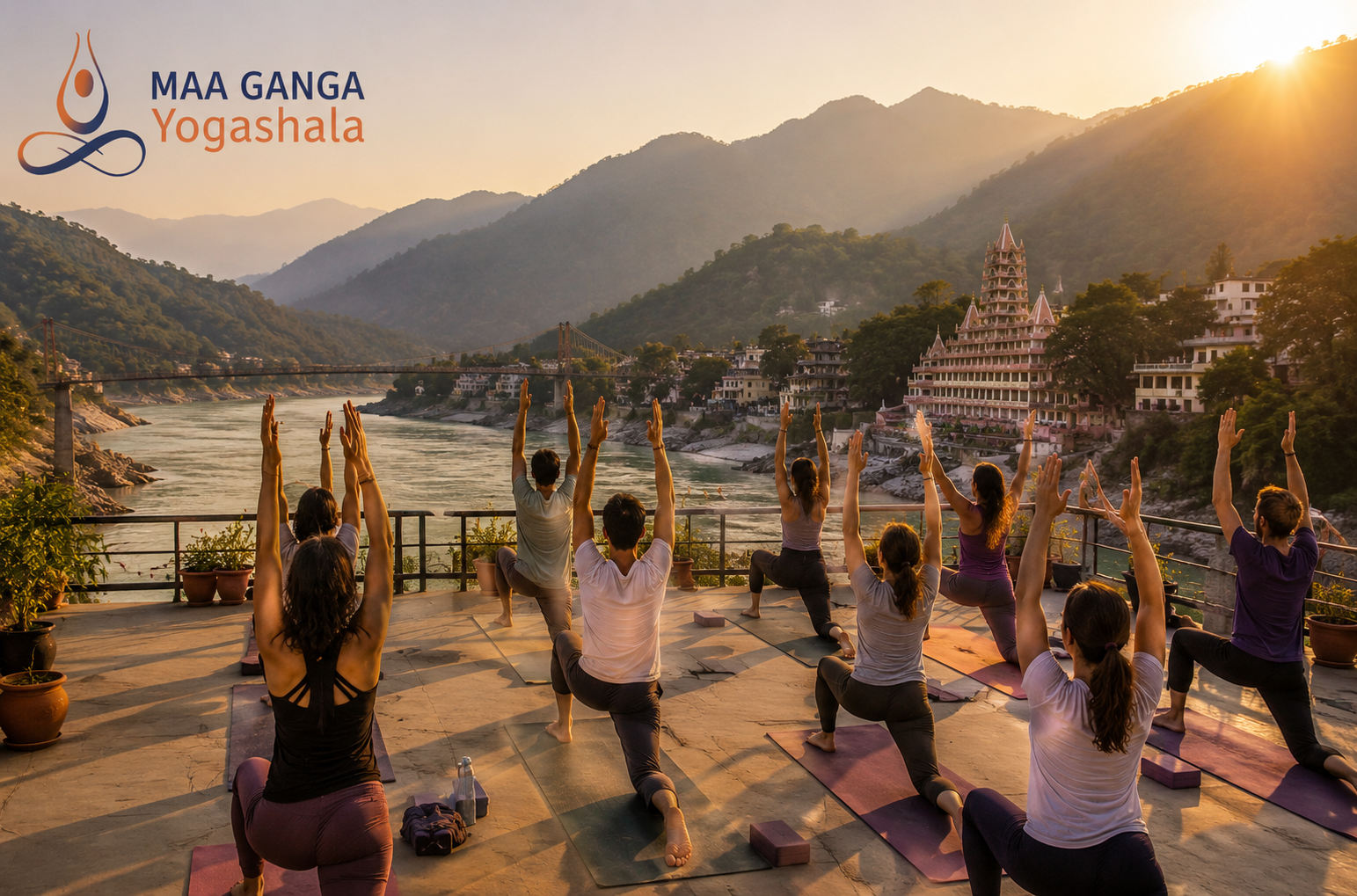
Rishikesh sits directly on the banks of the sacred Ganga River, surrounded by the foothills of the Himalayas. The entire town vibrates with centuries of intense spiritual practice, creating an atmosphere ripe for profound personal breakthroughs.
When you step out of your classroom, you are immediately immersed in a culture that lives and breathes these ancient teachings. Your education continues in the local cafes, the bustling ashrams, and the quiet riverbanks.
You are not simply taking a course; you are adopting a completely different rhythm of life. This level of total immersion strips away your everyday distractions, allowing you to focus entirely on your internal growth.
The air quality, the pure vegetarian food, and the constant sound of temple bells rewire your nervous system. You return home not just with a piece of paper, but with a fundamentally shifted perspective on human existence.
If you are not yet ready for a full teaching intensive, experiencing this energy through a 5 Days Yoga Retreat in Rishikesh provides the perfect introduction.
Taking the next step with trusted guidance
Bridging the gap between ancient Himalayan wisdom and modern global standards requires extreme care and expertise. You need an environment that respects traditional roots while preparing you for a contemporary teaching career.
If you are considering training in Rishikesh, Maa Ganga Yogashala offers the perfect balance of authenticity and global recognition. Our curriculum honors the deep spiritual heritage of India while ensuring you meet all international teaching requirements.
Our master teachers guide you through a deeply transformative process that prepares you for real-world studio environments. You will leave with absolute confidence in your ability to sequence safely, adjust effectively, and lead with profound authenticity.
For those looking to build a strong foundational understanding before diving into a full teaching program, our 100 Hour Yoga Teacher Training in Rishikesh is an excellent starting point.
Frequently Asked Questions
Does my registered credential ever expire?
Your actual graduation certificate from your school never expires and remains valid for your lifetime. However, your active status on the global registry requires an annual renewal fee and proof of continuing education hours. If you fail to renew, your profile is hidden, but your underlying education remains completely valid.
Can I legally teach classes without being on the global registry?
Yes, absolutely. Yoga is an unregulated industry globally, meaning there is no legal requirement to hold any specific certification to teach. Your ability to teach depends entirely on the specific hiring requirements of the studio, gym, or retreat center you approach.
Is it difficult to join the registry years after I complete my training?
As long as you graduated from a school that was actively registered during your exact training dates, you can join later. You simply upload your original certificate, pay the required fees, and log any teaching hours you have accumulated since graduation.
What if my chosen traditional ashram is not registered?
You can still build a highly successful and lucrative career without the global stamp of approval. You will simply need to market yourself based on your specific lineage, your personal skill set, and the profound transformations you facilitate for your clients.
Conclusion and your path forward
Deciding if Yoga Alliance certification worth it ultimately comes down to your deeply personal vision for your future. If you crave international mobility, studio employment, and standardized security, the registered path provides undeniable professional advantages. However, if your heart pulls you toward uninterrupted traditional study and spiritual mastery, an independent route holds equal, if not greater, internal value.
Your journey as a teacher begins the moment you commit to becoming a student of the deeper practice. Ready to begin your transformation with globally recognized credentials? Explore our 200 Hour Yoga Teacher Training in Rishikesh and take the first step toward your true calling today.