Yoga vs Stretching Difference Benefits: What Most People Get Wrong
When you step onto your mat, understanding the yoga vs stretching difference benefits completely transforms how your body and mind respond to movement. You might assume that touching your toes in a gym setting provides the exact same physical outcome as a traditional asana class. This widespread misconception holds many practitioners back from experiencing true holistic growth.
Stretching isolates individual muscle groups to strictly increase your mechanical range of motion. Yoga, on the other hand, demands full-body integration, deliberate breath control, and an unwavering internal focus. You are not merely lengthening your hamstrings; you are systematically regulating your entirely nervous system.
If you have ever felt physically flexible but mentally exhausted, you have already encountered the limitations of a purely physical routine. This guide breaks down exactly why traditional mindful movement provides a fundamentally different experience.
You will discover how internal awareness, physiological alignment, and breath mechanics elevate a simple physical exercise into a profound moving meditation. By the end of this read, you will never look at your time on the mat the same way again.
The Core Yoga vs Stretching Difference Benefits You Must Know
To truly grasp the foundational yoga vs stretching difference benefits, you must first examine the ultimate intention behind the movement. When you stretch before or after a workout, your primary goal is biomechanical maintenance. You want to elongate shortened muscle fibers, prevent delayed onset muscle soreness, and maintain joint mobility.
In sports science, clinical researchers publishing data on PubMed consistently emphasize the mechanical necessity of stretching for athletic recovery. You hold a static stretch, wait for the muscle spindles to relax, and then release the tension. Once the physical session ends, your mind immediately moves on to the next task of your day.
Yoga operates on an entirely different physiological and psychological paradigm. Every physical posture, or asana, serves as a deliberate vehicle to observe your internal mental state. You are not trying to force your body into a shape; you are using the shape to understand your current physical and emotional limitations.
Your awareness remains locked on the present moment, observing how your physical resistance mirrors your mental resistance. This distinct shift in conscious intention turns a basic physical stretch into an intricate practice of self-study and deep somatic healing.
Examining the Physical Yoga vs Stretching Difference Benefits in Detail
While both practices undoubtedly increase your physical flexibility over time, the mechanical approach varies drastically. A standard stretching routine often isolates a single muscle group, like the calves or the triceps, neglecting the surrounding kinetic chain. This isolated approach can sometimes lead to hypermobility in specific joints without building the necessary stabilizing strength.
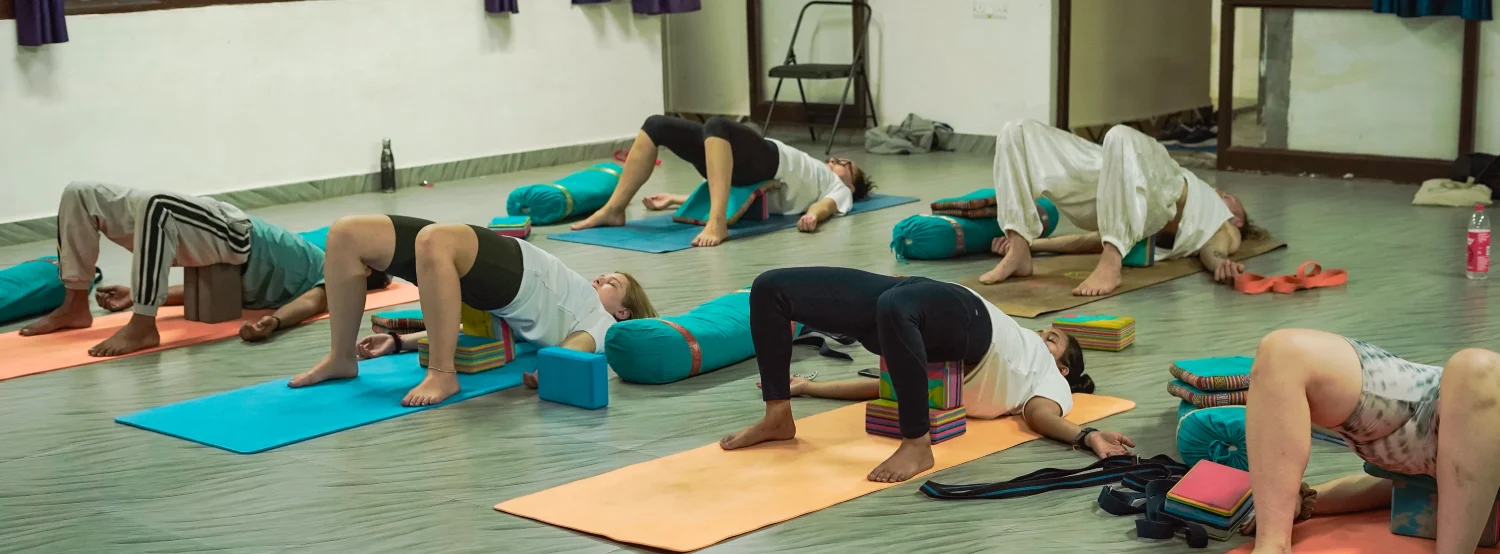
Traditional yoga demands active engagement and muscular integration across the entire body simultaneously. When you transition into a posture like Downward-Facing Dog, you are not merely stretching your posterior chain. You are actively pressing the floor away, stabilizing your shoulder girdle, engaging your core, and lengthening your spine all at once.
The Role of Connective Tissue and Fascia
One of the most profound physical differences lies in how you treat your fascia—the connective tissue enveloping your muscles and organs. Standard dynamic stretching primarily targets the elasticity of muscle fibers. A sustained, mindful yoga practice gently stresses and hydrates the deeper fascial networks throughout your entire body.
Incorporating Internal Energy Locks
Furthermore, an authentic practice introduces subtle internal biomechanics that basic stretching completely ignores. You learn to control internal energy and physical stability by utilizing specific muscular engagements. By mastering Bandhas Yoga Types How to Practice, you safely protect your spine and joints while exploring deeper physical ranges.
The Vital Role of Breathwork (Pranayama) in Movement
You simply cannot discuss the physical difference between yoga and stretching without addressing the absolute supremacy of breath. In a typical gym setting, you might hold a stretch while casually chatting, holding your breath, or breathing shallowly into your upper chest. The breath is treated as an afterthought, entirely disconnected from the physical effort you are exerting.
In a traditional practice, your breath dictates the exact pace, depth, and duration of every single movement. You inhale to create physical space and lengthen the spine, and you exhale to consciously release tension and fold deeper. This synchronized rhythm prevents you from pushing past your body’s natural limits, drastically reducing your risk of injury.
Beyond simple safety, deliberate breathing chemically alters your internal state. Deep, diaphragmatic breathing stimulates the vagus nerve, immediately shifting your body out of the stressful fight-or-flight response. Your physical movements become a direct extension of your respiratory system, creating a seamless loop of biofeedback.
Understanding this connection is absolutely crucial for anyone looking to deepen their practice or share it with others. Recognizing the Pranayama Teacher Training Importance highlights why breath control is the true foundation of advanced physical mobility.
Psychological and Mental Health Outcomes Compared
The psychological impacts of these two practices reveal the most dramatic contrast in your daily life. Stretching is fundamentally an external, goal-oriented task; you want to touch your toes, achieve the splits, or loosen a stiff neck. Because it is goal-oriented, your mind often wanders to your grocery list, your work emails, or your daily stressors while you hold the position.
Yoga explicitly trains your mind to remain anchored in the absolute present. Organizations establishing global standards, such as Yoga Alliance, require extensive training in philosophy and mental discipline precisely for this reason. You learn to witness physical discomfort without immediately reacting to it, cultivating a profound sense of mental resilience.
This focused internal awareness dramatically reduces baseline cortisol levels and effectively combats chronic modern anxiety. You step off the mat feeling mentally spacious, grounded, and emotionally regulated, rather than just physically loose. This is why so many practitioners utilize movement as a legitimate form of emotional therapy.
The mental clarity achieved through mindful movement can even influence your subconscious mind and resting states. Many practitioners find that their nervous system regulation directly improves their nightly recovery. Exploring the science behind Sound Therapy Sleep Insomnia Relief perfectly complements the deep relaxation you cultivate during a mindful physical practice.
Exploring the Spiritual Dimension of Your Practice
To fully comprehend the benefits of yoga beyond stretching, you must acknowledge its ancient spiritual roots. Stretching was invented for physical conditioning, but yoga was developed over thousands of years as a systematic path to self-realization. The physical postures (asanas) represent just one tiny fraction of the traditional eight-limbed path outlined by Patanjali.
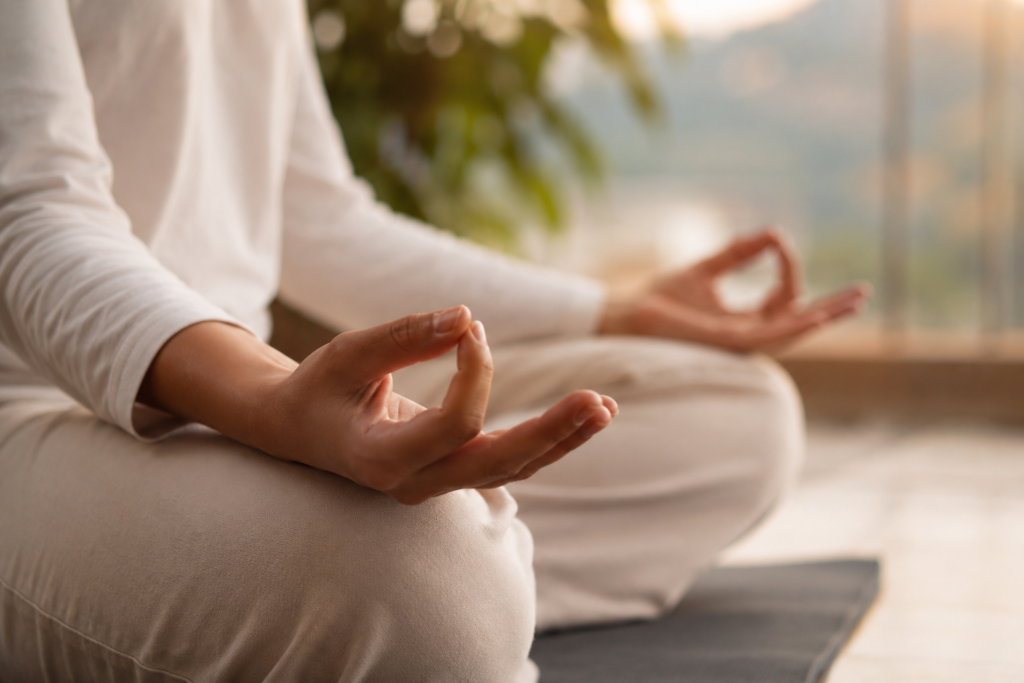
When you practice with true intention, you move beyond the physical sheath of the body and tap into your energetic layers. You cultivate Dharana (single-pointed concentration) and Dhyana (meditation) while actively moving through complex physical space. The mat becomes a mirror, reflecting your ego, your patience, and your deepest internal habits back to you in real-time.
You cannot achieve this level of spiritual introspection by casually holding a hamstring stretch for thirty seconds. This spiritual dimension provides a lasting sense of purpose and deep inner peace that transcends physical fitness entirely. It connects you to a lineage of wisdom that empowers you to navigate the chaos of modern life with grace.
To truly tap into this spiritual depth, you must learn to quiet the fluctuations of your active mind. Exploring traditional Meditation Techniques 200 Hour YTT provides the exact framework needed to elevate your physical routine into a deeply spiritual discipline.
The Anatomy of Asana: Going Beyond the Stretch
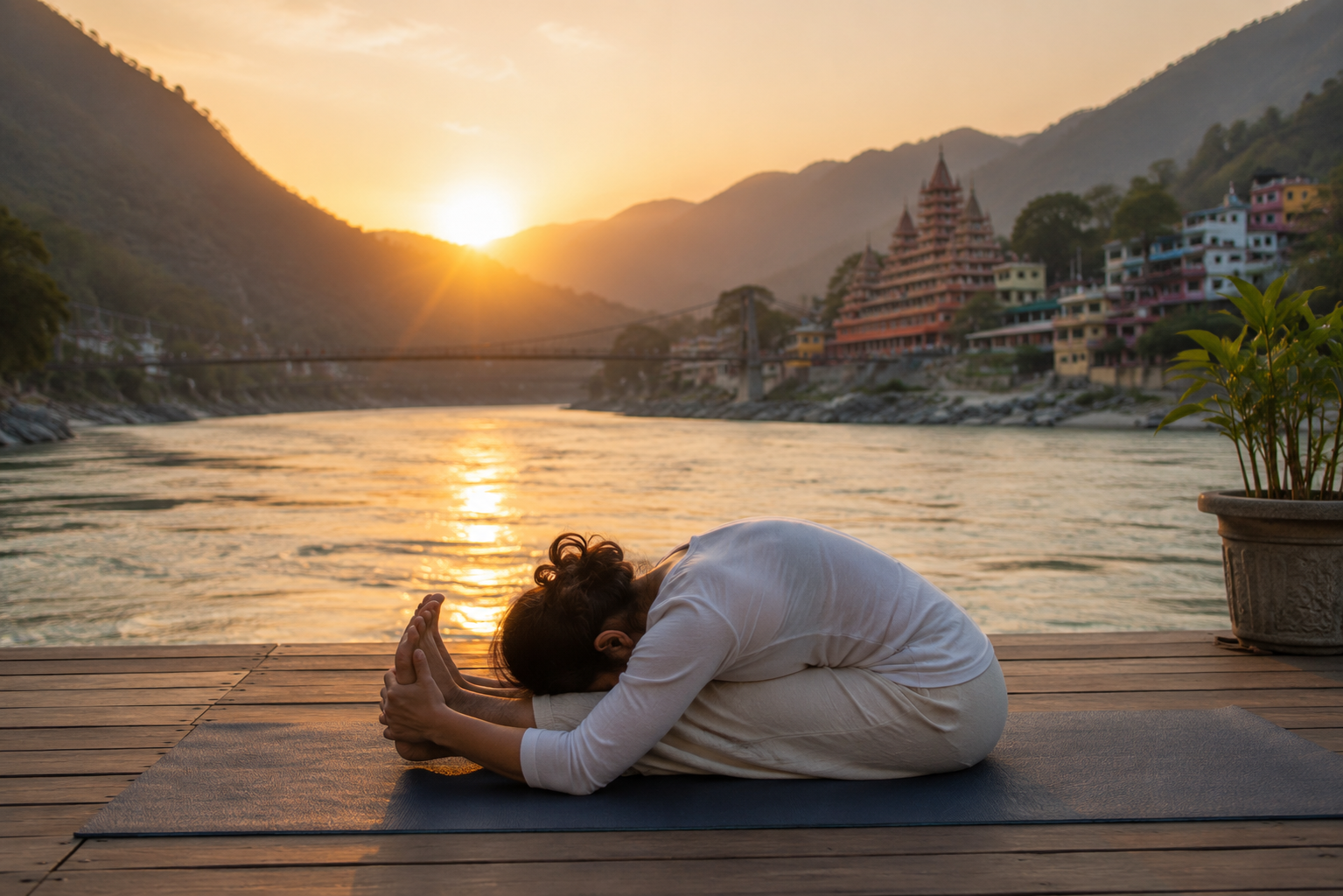
When examining the physiological mechanics, the distinction between a simple stretch and a complex asana becomes glaringly obvious. Stretching generally relies on passive tension, where gravity or external leverage pulls a muscle into an elongated state. While this feels relieving temporarily, it does little to build the neuro-muscular control required for long-term joint health.
Asana practice demands active isometric contraction—you are engaging muscles to support the very joints you are attempting to open. For example, in a deep lunge, you are not just letting your hips sink passively toward the floor. You are actively hugging your inner thighs toward the midline to stabilize the pelvis while simultaneously lengthening the hip flexors.
This active engagement fundamentally rewires your motor control pathways in the brain. Your nervous system learns that it is safe to explore deeper ranges of motion because the surrounding musculature is actively providing support. This intelligent approach to mobility prevents the joint laxity and instability frequently seen in individuals who aggressively over-stretch.
Furthermore, traditional postures specifically compress and release internal organs to stimulate digestion and lymphatic drainage. A basic calf stretch at the gym simply does not provide this level of comprehensive, internal physiological detoxification and systemic health support.
Building a Sustainable Long-Term Practice
Your physical body changes drastically as you age, making your approach to movement critically important for longevity. An aggressive stretching routine focused solely on maximizing flexibility often leads to chronic wear and tear on your ligaments and tendons. Because stretching lacks a mindfulness component, it is incredibly easy to ignore your body’s subtle warning signals and push into the realm of injury.
A holistic yoga practice is inherently sustainable because it prioritizes internal harmony over external achievement. You learn the crucial difference between the productive discomfort of growth and the sharp, dangerous pain of injury. This cultivated body awareness ensures you can continue practicing safely and effectively well into your later decades of life.
By honoring your daily physical limitations, you develop a profound sense of self-compassion that bleeds into your everyday life. You stop competing with the person on the mat next to you, and you stop competing with your own past physical achievements.
The practice evolves dynamically to meet you exactly where you are each day. This adaptability guarantees that your time on the mat remains a lifelong source of healing rather than a fleeting physical phase.
Why Rishikesh? / Why This Matters
Understanding this profound difference naturally leads practitioners to seek out environments where the authentic traditions are still preserved and honored. The global commercialization of yoga has unfortunately reduced many classes to glorified aerobic stretching sessions set to upbeat pop music. To truly experience the holistic benefits, the environment and the lineage of the instruction matter immensely.
Practicing in Rishikesh, the undisputed yoga capital of the world, entirely shifts your energetic vibration. You are surrounded by the majestic Himalayas and the sacred flow of the Ganges River, immersing yourself in an atmosphere steeped in centuries of spiritual devotion. The ancient wisdom is visibly woven into the daily fabric of the community, elevating your practice far beyond physical exercise.
The distinct seasons of the region also dramatically influence your internal purification processes and mental focus. Experiencing a Yoga Rishikesh Monsoon Season offers a profoundly unique, introspective environment perfect for deep meditation and intense physical detoxification.
Ultimately, this matters because your environment directly dictates the depth of your internal focus. When you practice in a location vibrating with spiritual history, transitioning from simple stretching to profound internal awareness happens almost effortlessly.
Take the Next Step with Our Traditional Trainings
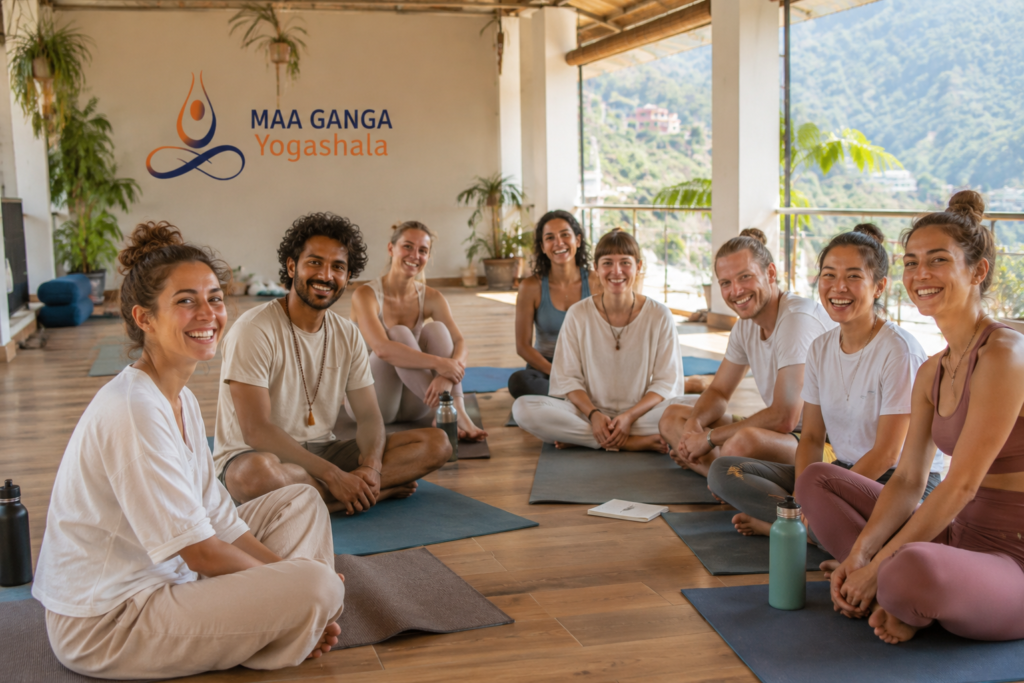
If you are genuinely considering training in Rishikesh, Maa Ganga Yogashala offers an unparalleled environment to deepen your understanding. We believe that true transformation requires expert guidance, traditional philosophy, and a supportive, heart-centered community.
Our curriculum strictly moves beyond simple physical fitness, guiding you safely through the profound intricacies of breath, anatomy, and spiritual alignment. You will finally experience the vast difference between merely performing a posture and truly embodying the ancient practice.
FAQs
Is yoga just glorified stretching?
Absolutely not. While physical flexibility naturally improves, the traditional practice fundamentally targets nervous system regulation, complex breath control, and profound mental discipline.
Can I substitute stretching for yoga?
For strictly mechanical flexibility and basic muscle recovery, yes. However, stretching alone will never provide the mental clarity, energetic balance, and deep stress relief of a mindful practice.
Do I need to be flexible to start?
No, this is the most common myth keeping people off the mat. The physical poses are simply tools used to explore your current physical limitations; they are not a performance requiring extreme prior flexibility.
What is the main physical difference between yoga and stretching?
Stretching isolates specific muscles to passively increase length. Yoga demands full-body active engagement, integrating joint stability, core strength, and deliberate breath coordination during every single movement.
Conclusion
Fully grasping the profound yoga vs stretching difference benefits is the master key to unlocking your ultimate physical and mental potential. You quickly realize that touching your toes is merely a pleasant side effect of a much deeper, internal journey of self-discovery. By shifting your focus from mechanical flexibility to holistic awareness, you transform your routine into a lifelong healing sanctuary.
Ready to begin? Explore our immersive 5 Days Yoga Retreat in Rishikesh to reset your nervous system. If you are prepared to dive deeply into the ancient sciences, join our comprehensive 100-Hour Yoga Teacher Training in Rishikesh or our transformative 200-Hour Yoga Teacher Training in Rishikesh and take the first step today.