Best Time to Visit Rishikesh Yoga: A Month-by-Month Guide
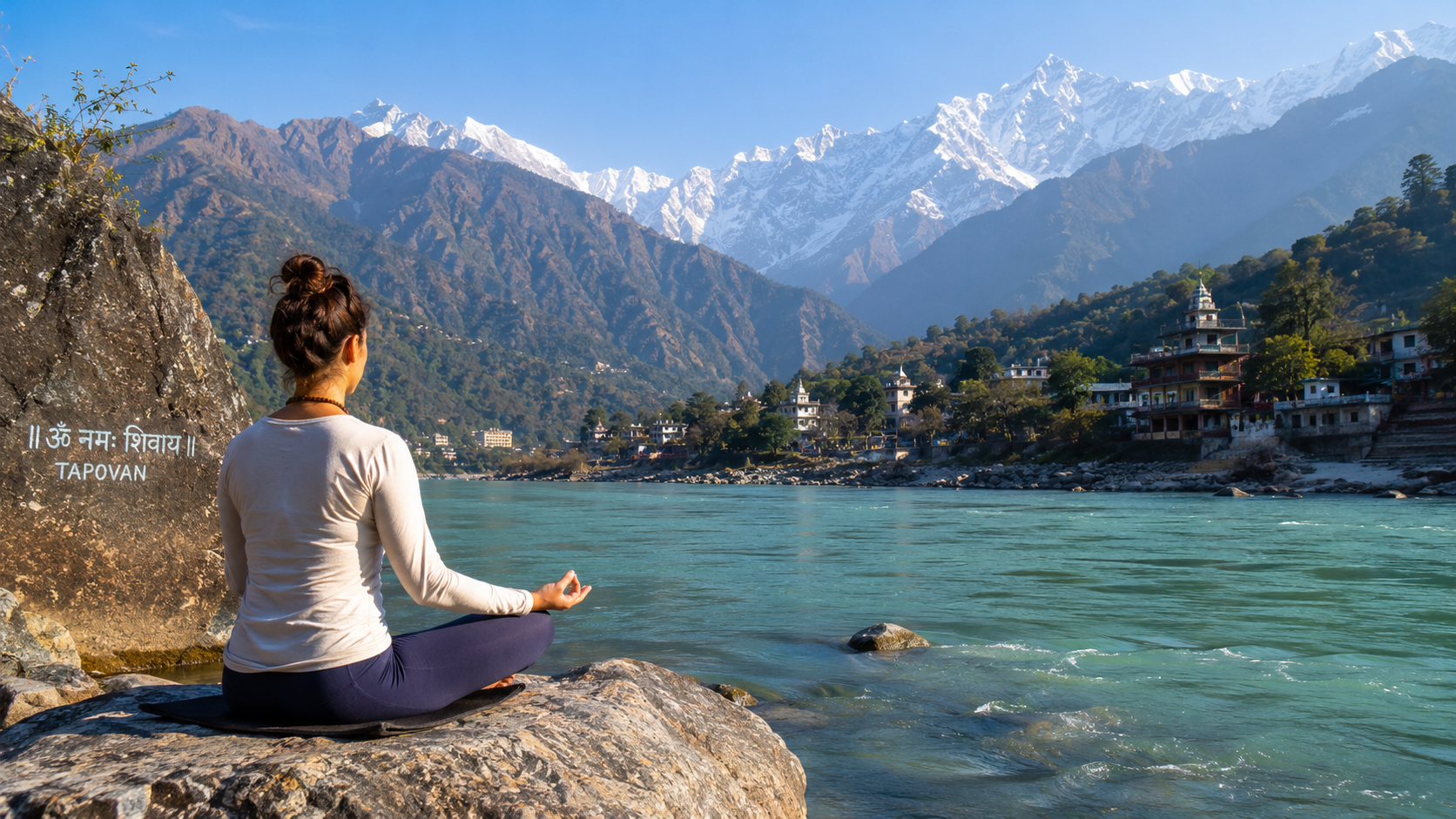
Finding the best time to visit Rishikesh yoga schools can completely change the depth of your practice. You might be dreaming of rolling out your mat while the morning mist settles over the sacred Ganga River.
Perhaps you are imagining chanting under a clear, starry Himalayan sky. But the reality is that the weather in northern India shifts dramatically throughout the year.
Choosing the wrong month can mean shivering through your morning meditation or sweating profusely during your afternoon asana class. Choosing the right month ensures your body and mind are completely supported.
This guide will break down the exact weather, atmosphere, and crowd levels for every single month. You will know exactly what to pack, what to expect, and how to align your travel dates with your personal wellness goals.
Whether you want quiet introspection or a vibrant community, your timing matters. Let us explore exactly when you should book your ticket to the yoga capital of the world.
Decoding the Best Time to Visit Rishikesh Yoga Seasons
Understanding the local climate is your first step toward an incredible journey. The region experiences three distinct primary seasons, each offering a completely different environment for practitioners.
You need to match your physical constitution and practice style with the outside temperature. For instance, intense physical practices naturally generate high internal heat.
Doing a rigorous Vinyasa flow during the peak of Indian summer might leave you drained rather than energized. Conversely, holding long Yin poses in the middle of winter requires proper layering.
Many international students try to figure out the Best Affordable Yoga Retreat Season to balance good weather with budget-friendly travel.
The peak seasons generally run from March to May and September to November. During these months, the weather is mild, the skies are mostly clear, and the international community is bustling.
You will find cafes filled with spiritual seekers and ashrams running at full capacity. Standards set by global organizations like Yoga Alliance are taught year-round, but your comfort level will vary.
Off-peak seasons offer their own unique magic if you know how to prepare for them. We will dive deep into each quarter of the year so you can make an informed, confident decision.
Spring Awakening: March to May
Spring brings life back to the Himalayan foothills after the cold winter months. March kicks off the peak season, offering cool mornings and pleasantly warm afternoons.
This is widely considered the absolute best time for beginners and advanced practitioners alike to arrive. The energy in Tapovan is electric, vibrant, and incredibly welcoming.
By April, the daytime temperatures start to climb, but the evenings remain breezy and comfortable. This is the ideal climate for diving into a comprehensive 200-Hour Yoga Teacher Training in Rishikesh.
Your muscles are naturally warm, reducing the risk of injury during deep stretches. You can comfortably meditate outside without being distracted by extreme cold or heat.
May introduces the beginning of summer, and the heat becomes much more noticeable by midday. You will want to schedule your most demanding physical practices for the early morning.
The afternoons are perfect for studying philosophy, reading by the river, or enjoying a cold drink at a local cafe. If you are coming in late May, pack lightweight, breathable cotton clothing.
This season is perfect if you thrive in an active, social environment. You will meet like-minded travelers from every corner of the globe.
The Monsoon Magic: June to August
June marks the transition into the intense Indian summer, quickly followed by the dramatic arrival of the monsoon. The skies open up, and the heavy rains wash the dust from the mountain trees.
The entire valley turns a brilliant, almost neon shade of green. The Ganga River swells, moving with incredible power and speed.
July and August see the most rainfall, which means outdoor activities are often put on hold. However, this weather creates a deeply introspective environment.
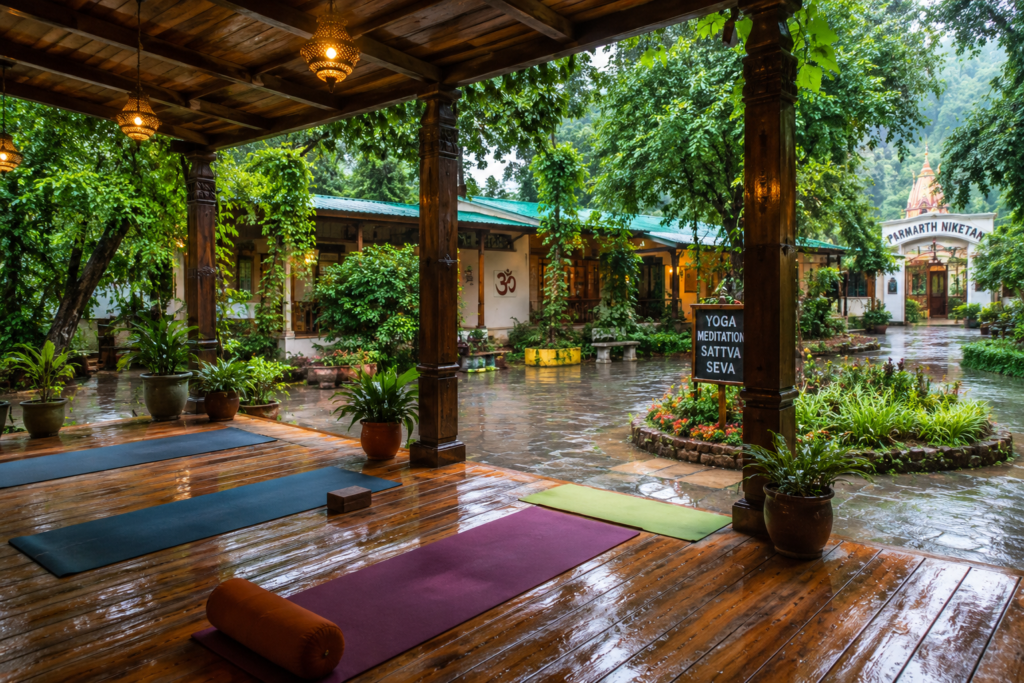
The sound of rain hitting the ashram roof is nature’s own sound therapy. It is a brilliant time to focus on internal practices like pranayama, meditation, and chanting.
Because this is the low season, the crowds thin out significantly. The streets are quieter, and you get much more personal attention from your teachers.
It is also the most budget-friendly time to visit. You can easily manage your Cost of Living in Rishikesh as Yoga Student during these wet months.
Just remember to pack a high-quality raincoat, waterproof sandals, and plenty of mosquito repellent. Embrace the slow pace and let the rain cleanse your mind.
Autumn Clarity: September to November
September washes away the final traces of the monsoon, leaving behind crystal clear skies and purified air. The mountains look sharp and defined against the bright blue backdrop.
This marks the beginning of the second peak season, and many consider it the most beautiful time of the year. The weather is perfectly balanced—neither too hot nor too cold.
October is arguably the crown jewel of the calendar year for wellness travel. The festivals of Diwali and Dussehra often fall during this time, lighting up the entire country.
The spiritual energy in the air is palpable, making it an incredible time to begin a 100-Hour Yoga Teacher Training in Rishikesh. You can practice comfortably at any time of the day.
November starts to introduce a slight chill in the early mornings and late evenings. You will want to bring a light sweater or shawl for your dawn meditation sessions.
The traditional wellness systems recognized by the Ministry of Ayush often highlight autumn as a vital time for physical detoxification.
The pleasant weather allows you to explore the local temples, hike to nearby waterfalls, and fully immerse yourself in the culture. The balance of warm days and cool nights is simply perfect.
Finding the Best Time to Visit Rishikesh Yoga in Winter
December brings the genuine Himalayan winter down into the valley. The early mornings are shrouded in thick, beautiful fog that rolls off the river.
You will definitely need warm layers—think thermal wear, thick socks, and a good jacket. The ashrams are not centrally heated, so your body must generate its own warmth.
January is the coldest month, but it possesses a profound, quiet stillness. The bright afternoon sun is glorious, and practicing on an open rooftop under the winter sun is unforgettable.
This cold weather is exceptionally good for generating internal fire. If you are curious about Hatha vs Ashtanga Yoga, winter is the ultimate time to practice the vigorous, heat-building Ashtanga series.
February begins to thaw the winter chill, acting as a bridge toward spring. The days grow longer, and the cold loses its sharp edge.
Many serious practitioners actually prefer the winter months because the environment demands discipline. You learn to overcome physical resistance and build immense mental fortitude.
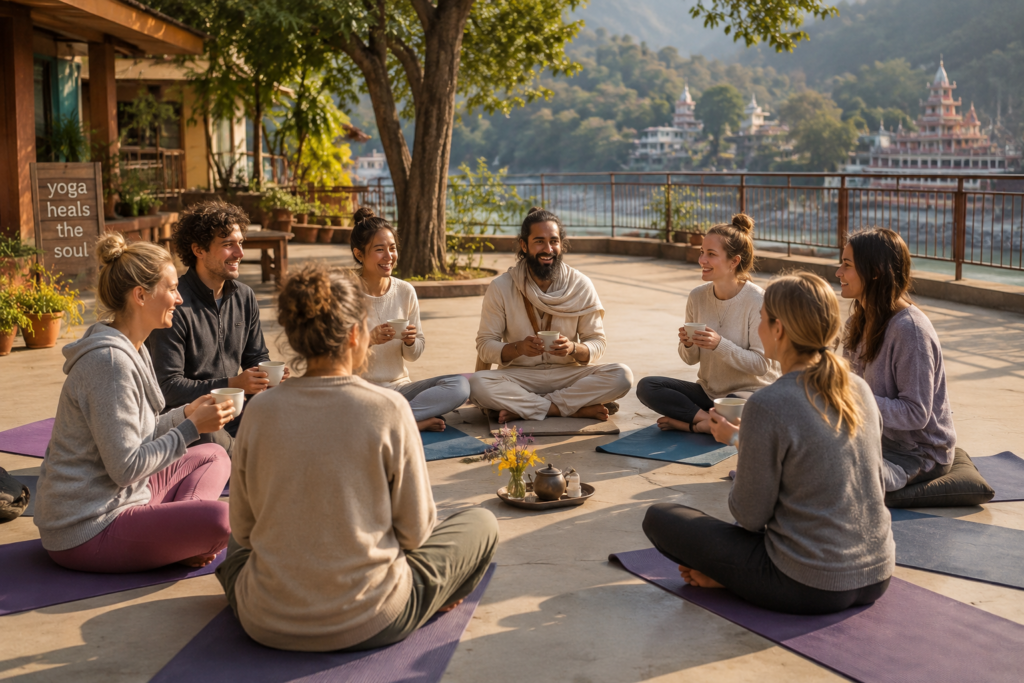
The winter community is smaller but incredibly dedicated. You will form tight bonds with your fellow students over cups of hot ginger tea.
Why Rishikesh is the Ultimate Destination
Timing your trip correctly is vital, but the location itself holds a power you cannot find anywhere else. Tapovan is more than just a neighborhood; it is a spiritual incubator.
The vibration of millions of prayers, chanted over thousands of years, seems to linger in the very soil. You are practicing in the same spaces where ancient sages once meditated.
When you ask Why Yoga in Rishikesh is Life-Changing, the answer lies in this environment. The culture completely supports your journey inward.
Every cafe serves vegetarian food, every shop sells spiritual texts, and the daily rhythm is dictated by the sun and the temple bells.
You are removed from the typical distractions of modern life. This allows you to focus purely on your breath, your body, and your personal evolution.
It is a place that challenges you, nurtures you, and ultimately transforms you. Regardless of the month you choose, the sacred energy of the Ganga remains constant.
Taking Your Practice Deeper
If you are considering starting your journey in Tapovan, Maa Ganga Yogashala offers a welcoming, authentic environment to learn and grow.
Our programs are designed to accommodate practitioners of all levels, helping you build a solid foundation.
If you want a brief but powerful immersion, our 3 Days Yoga Retreat in Rishikesh is a beautiful introduction to ashram life.
It gives you a taste of the daily schedule, the food, and the profound peace of the Himalayas. You can step away from your routine and simply breathe.
Frequently Asked Questions
What should I pack for the peak seasons?
Bring breathable, comfortable cotton clothing for your practice. Include a light shawl or sweater for the early mornings, as the air near the river can be crisp before the sun rises fully.
Is it safe to travel during the monsoon?
Yes, but you must be prepared for heavy rain and occasional power outages. Bring waterproof gear, use mosquito repellent, and avoid swimming in the river, as the currents become extremely dangerous.
Do I need to book my retreat far in advance?
If you are planning to arrive in March, April, October, or November, you should absolutely book several months in advance. The best ashrams fill up very quickly during these peak months.
Can beginners join a retreat in the winter?
Absolutely. Winter retreats are excellent for beginners because the smaller class sizes mean you get more personalized guidance. Just make sure you pack warm thermal layers for the cold mornings.
Conclusion
Choosing the best time to visit Rishikesh yoga centers ultimately depends on what you want from your experience.
If you want vibrant energy and perfect weather, aim for spring or autumn. If you seek quiet introspection and don’t mind the rain or cold, the monsoon and winter offer deeply rewarding experiences.
Every season carries its own unique lessons and beauty. The most important thing is simply making the decision to go.
Ready to begin your transformative journey? Explore our 5 Days Yoga Retreat in Rishikesh and take the first step toward your personal evolution today.