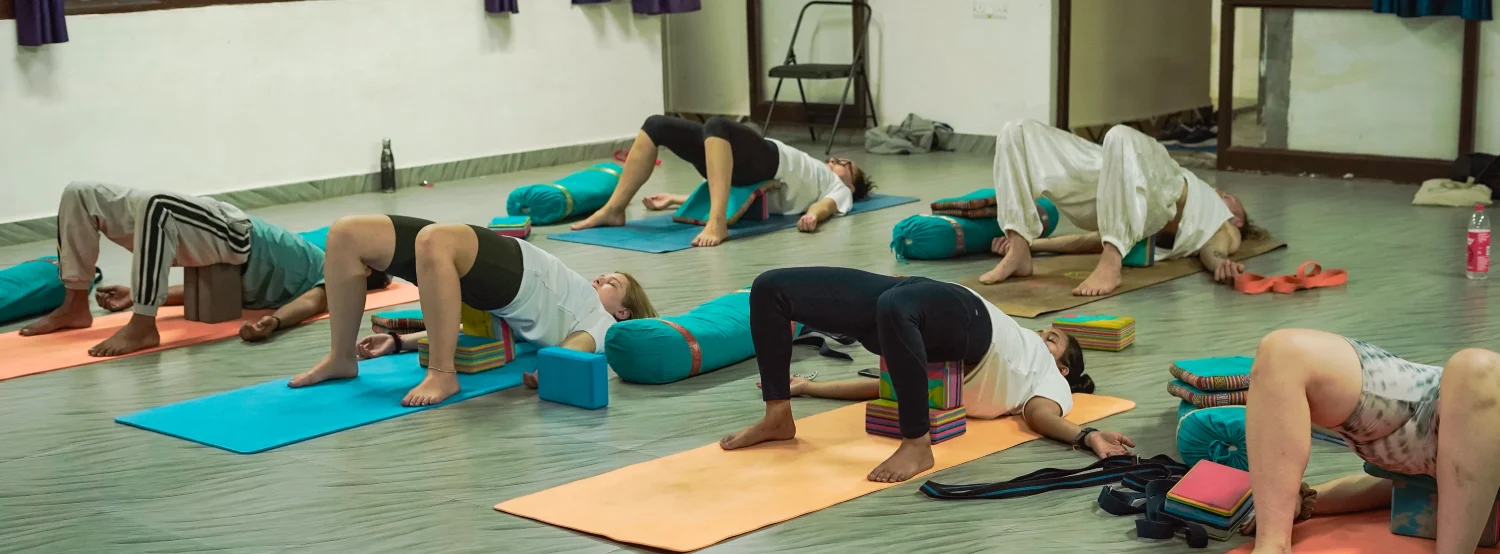

Detox Yoga Retreat Rishikesh 5 Days: Reset Your Body and Mind
Introduction
A detox yoga retreat Rishikesh 5 days can give you something a weekend getaway often cannot: enough time to slow down, change your daily rhythm, and notice what your body actually needs. But detox does not have to mean extreme fasting, harsh cleanses, or living on juices.
Over five days, you can use yoga, mindful meals, breathwork, meditation, rest, hydration, and time beside the Ganga to create a gentler reset. The goal is not to “flush out” toxins overnight. Your liver, kidneys, digestive system, lungs, and skin already perform the body’s natural elimination work. A retreat can instead help you reduce habits that leave you feeling heavy, overstimulated, or disconnected from your routine.
If you are considering five days in Rishikesh, this guide explains what a sensible detox-style retreat can include, how to prepare, what you may experience each day, why the location matters, and how to decide whether a retreat is right for you.

What Is a Detox Yoga Retreat in Rishikesh?
A detox-focused yoga retreat combines yoga and wellness practices with a temporary change of environment. You step away from your usual schedule and create space for movement, nourishing food, sleep, breath awareness, and mental rest.
The word “detox” is often used loosely in wellness marketing. A credible retreat should not promise that yoga will remove unspecified toxins from your body. Instead, think of detox as a reset of habits and attention. Five days can be long enough to establish a more consistent routine without requiring you to disappear from your responsibilities for weeks.
A typical program may include:
- Morning yoga to mobilize the body and build steady energy.
- Pranayama and meditation to encourage calm, focused breathing.
- Simple, balanced vegetarian meals and regular hydration.
- Gentle evening practices to release physical tension.
- Periods of quiet, reflection, or rest between sessions.
- Time outdoors, especially around the Ganga and Himalayan foothills.
Yoga can support physical activity, mobility, relaxation, and body awareness. For broader information about yoga and its traditions, you can explore India’s Ministry of Ayush.
The most useful question is not “How many toxins will I remove?” It is “Which habits can I reset in five days so I return home feeling more balanced?”
What to Expect From a 5-Day Detox Yoga Retreat
A five-day retreat works best when each day has a clear purpose rather than a packed timetable. You do not need six hours of yoga every day to feel that something has changed.
Day 1: Arrive and slow down
Your first day is usually about transition. After travel, your body may need food, water, rest, and a chance to adapt. A gentle yoga session, introductory meditation, and light evening meal can help you move out of travel mode.
Avoid treating the first day as a test of discipline. If you arrive tired, pushing through an intense practice can work against the reset you came for.
Day 2: Establish your rhythm
Once you have slept in the new environment, you can begin a steadier routine. A morning asana practice may focus on mobility, strength, and conscious breathing. Meals can be simple and regular, while a quieter evening gives you time to observe hunger, energy, digestion, and mood.
This is also a good point to reduce distractions. Constant scrolling can undermine the mental side of a retreat even if your physical routine is excellent.
Day 3: Go deeper without going extreme
The middle of a five-day program is often where you become more aware of your habits. You may notice how quickly you eat, how often you reach for your phone, whether you hold tension in your shoulders, or how your breathing changes under stress.
This does not require extreme fasting. If you want to understand how yoga practices such as bandhas fit into a broader practice, you can read our guide to bandhas and how to practice them safely.
Day 4: Integrate the practice
By the fourth day, the challenge is not doing more; it is making the routine feel sustainable. You can use meditation, restorative yoga, journaling, mindful walking, or quiet time to connect the physical practice with everyday choices.
If sound-based relaxation interests you, a session involving traditional instruments may complement the quieter side of a retreat. The purpose should be relaxation and focused awareness rather than exaggerated health claims. If this approach appeals to you, you can also explore our sound healing sessions as a complementary practice.
Day 5: Carry the reset home
The final day should help you avoid the common retreat mistake of returning to exactly the same habits immediately. Before leaving, identify two or three practices you can realistically continue: perhaps ten minutes of breathing in the morning, earlier dinners, a regular yoga practice, or a short evening meditation.
A five-day retreat has value when the routine survives the airport, office, college, family schedule, and ordinary Monday.
How Yoga, Breathwork, Food, and Rest Support Your Reset
A detox-style retreat should be built around basics that are easy to overlook. Yoga is one part of the structure, not a magical shortcut.
Movement matters because long periods of sitting, travel, and screen use can leave you stiff and physically restless. A well-designed practice can combine standing postures, gentle twists, hip and shoulder mobility, balance work, and relaxation. The intensity should match your experience and current energy.
Breathwork can make you more attentive to how you breathe. Slow, controlled practices may feel calming for many people, while stronger techniques are not appropriate for everyone. A responsible teacher should explain technique, pacing, and situations in which a practice should be modified.
Food is another major part of the retreat experience. A sensible program does not need to label ordinary nourishing food as a “detox miracle.” Look for balanced meals, vegetables, fruit, grains or other carbohydrate sources, adequate protein, and enough fluids. If you have dietary restrictions, communicate them before arrival rather than improvising after you reach Rishikesh.
Rest is equally important. Five days of early mornings, intense classes, excursions, and late-night socializing is not a reset. Build in quiet periods and protect your sleep.
If you are interested in the research around yoga and wellbeing, PubMed’s medical literature database is a useful place to explore published studies rather than relying only on wellness claims.
Why Rishikesh Makes a 5-Day Yoga Reset Different
Rishikesh offers a combination that is difficult to reproduce in a normal city routine. The Ganga, Himalayan foothills, yoga culture, ashram traditions, and concentration of wellness schools create an environment where your attention naturally shifts.
For you, the advantage is not that the location magically detoxifies your body. It is that a change of surroundings can make behavioral change easier. When your usual commute, kitchen, notifications, deadlines, and social routines are temporarily removed, you have fewer cues pulling you back into old habits.
Tapovan is especially practical for a retreat because it gives you access to yoga schools, cafes, walking routes, and the wider Rishikesh area while keeping you close to the spiritual atmosphere of the river.
You should still be realistic about the experience. Rishikesh is a living town, not an isolated wellness resort. Traffic, motorcycles, weather, crowds, and ordinary city sounds are part of the environment. If you expect complete silence, you may be disappointed. If you expect a culturally rich place where you can practice, walk, reflect, and explore, it can be a strong fit.
Your time outside class matters too. A quiet walk near the river, a few minutes of seated breathing, or an early night can sometimes contribute more to your reset than squeezing another demanding activity into your schedule.
How to Choose the Right 5-Day Detox Yoga Retreat in Rishikesh
Not every retreat using the word “detox” offers the same experience. Before paying a deposit, look beyond photographs and promises.
Start with the daily schedule. You should be able to understand when yoga, meals, meditation, free time, and rest happen. A program that looks impressive because every hour is occupied may leave you exhausted rather than refreshed.
Check the teaching approach. Ask whether beginners are welcome, how practices are modified, and whether instructors explain alignment and breathing rather than simply demonstrating poses.
Look at food arrangements. Ask what meals are included, whether drinking water is available, and how allergies or dietary preferences are handled.
Also check what is actually included in the price. Accommodation, meals, classes, excursions, airport transfers, massages, and special workshops may have different terms.
Safety deserves attention. Be cautious of programs promising dramatic weight loss, “toxin removal,” disease cures, or guaranteed results in five days. You should also be wary of extreme fasting or dehydration being presented as necessary for detoxification.
If you are visiting Rishikesh for the first time, our guide on how to book a yoga retreat in India for the first time can help you compare practical factors before committing.
For women traveling alone, preparation also matters beyond the yoga schedule. Our guide to solo women yoga retreat safety in India covers practical considerations for planning a smoother stay.

A Soft Reset With Maa Ganga Yogashala
If you want a structured five-day experience in Tapovan, we offer a 5 Days Yoga Retreat in Rishikesh designed around yoga practice and retreat time rather than an extreme cleanse.
You can also explore our Maa Ganga Yogashala website to understand our wider yoga programs and approach before deciding what fits your goals.
The important distinction is simple: you are not booking five days to chase a dramatic “detox” result. You are creating five days in which your movement, breathing, meals, sleep, and attention can follow a more intentional rhythm.
That makes the retreat useful even after you leave Rishikesh. If you want to explore another focused wellness practice alongside yoga, our chakra balancing sessions are another option to consider.
FAQs
Is a 5-day detox yoga retreat suitable for beginners?
Yes, a five-day retreat can suit beginners if the program offers modifications and does not assume advanced flexibility or strength. You do not need to touch your toes or perform difficult inversions to benefit from a structured yoga routine.
What should you eat during a detox yoga retreat?
Choose simple, balanced meals rather than extreme restriction. Your needs depend on your body, activity level, dietary preferences, and health circumstances. If you have a medical condition, take medication, are pregnant, or have a history of disordered eating, discuss retreat plans with an appropriate healthcare professional before participating.
Can yoga detox your body?
Yoga can support movement, relaxation, body awareness, and healthy routines, but it should not be marketed as a substitute for your body’s normal detoxification organs or as a guaranteed toxin-removal treatment. A retreat is better understood as a behavioral and lifestyle reset.
What should you pack for a five-day yoga retreat in Rishikesh?
Pack comfortable yoga clothes, a light layer, walking shoes or sandals, personal toiletries, any required medication, a reusable water bottle, and weather-appropriate clothing. Keep your luggage practical so you are not carrying things you will never use.
Can you continue the retreat routine after five days?
Yes. The easiest approach is to choose a small number of practices you can maintain. Ten to twenty minutes of yoga, a short breathing practice, consistent sleep, and more mindful meals are more realistic than trying to recreate a full retreat schedule every day.
Conclusion: Make Your Five Days Count
A detox yoga retreat Rishikesh 5 days is most valuable when you stop treating detox as a dramatic cleanse and start treating it as a practical reset. Five days can give you enough space to move regularly, eat with attention, breathe more consciously, sleep better, reduce distractions, and notice which habits you want to carry forward.
Rishikesh adds a powerful setting to that process, but the real change comes from what you practice consistently. You do not need an extreme schedule or unrealistic promises. You need a retreat structure that respects your body and gives you room to slow down.
Ready to make your five days intentional? Explore our 5 Days Yoga Retreat in Rishikesh and start planning your reset with Maa Ganga Yogashala.