Monsoon Yoga Retreat Rishikesh Off Season: Off-Season Magic Explained
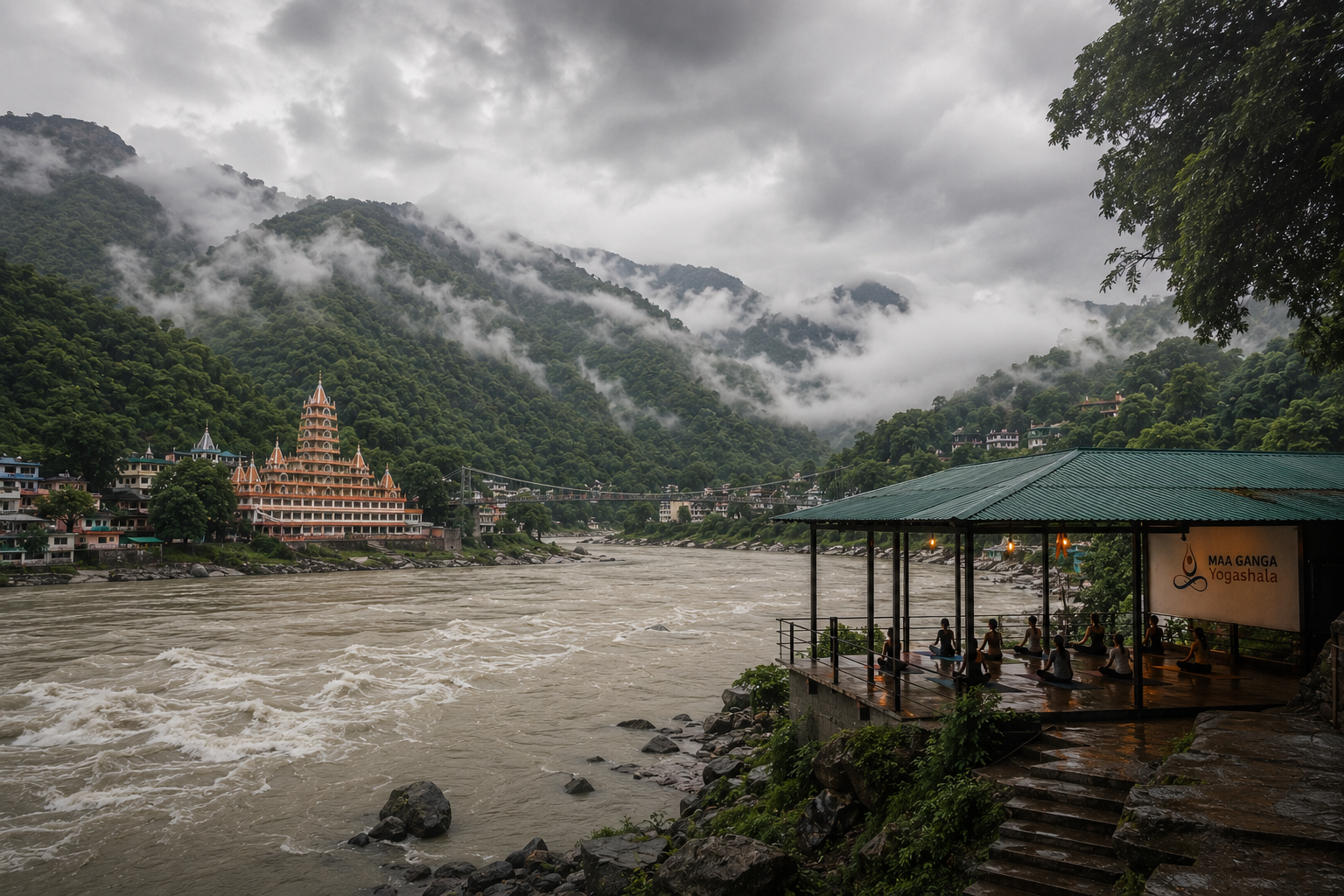
Monsoon yoga retreat Rishikesh off season can sound like a compromise until you experience the city when rain reshapes the landscape. The Ganga runs with greater energy, the Himalayan foothills turn intensely green, and busy pathways can feel noticeably quieter. For many yoga seekers, that change is exactly the point.
A monsoon stay also asks you to slow down. You may trade a packed sightseeing schedule for early practice, a covered shala, warm meals, reading, meditation, and longer pauses between activities. That can make an off-season retreat feel less like a holiday checklist and more like time deliberately set aside for practice.
But is monsoon really a good time for a yoga retreat in Rishikesh? What should you expect from the weather, daily routine, river environment, travel, and accommodation? And how do you choose a retreat or teacher training that fits the season?
This guide breaks down the real advantages and practical considerations so you can decide with clear expectations.
Why a Monsoon Yoga Retreat Can Be a Better Off-Season Choice
The biggest advantage of an off-season retreat is not simply lower crowd levels. It is the change in rhythm.
During the monsoon, rain can interrupt plans, but it can also remove some of the pressure to keep moving. If your priority is yoga, meditation, breathwork, and rest, that slower pace can work in your favor.
Rishikesh becomes visually dramatic during this period. Forested slopes deepen in color, the air can feel cooler after rainfall, and mist may settle around the hills. Instead of trying to fit yoga around sightseeing, you may naturally build the day around practice.
The season can also suit people who dislike crowded wellness destinations. Fewer visitors can mean quieter mornings, more relaxed café time, and a calmer atmosphere around practice spaces. You should still expect periods of heavy rain, damp roads, and changes to outdoor plans.
For background on yoga’s broader traditions and practice, you can explore Yoga Alliance as a starting point.
If your main goal is focused practice rather than a packed itinerary, the off-season can be surprisingly rewarding.
What the Rishikesh Monsoon Retreat Experience Actually Feels Like
A monsoon retreat is not just the same summer retreat with rain added. The weather can change how you structure the entire day.
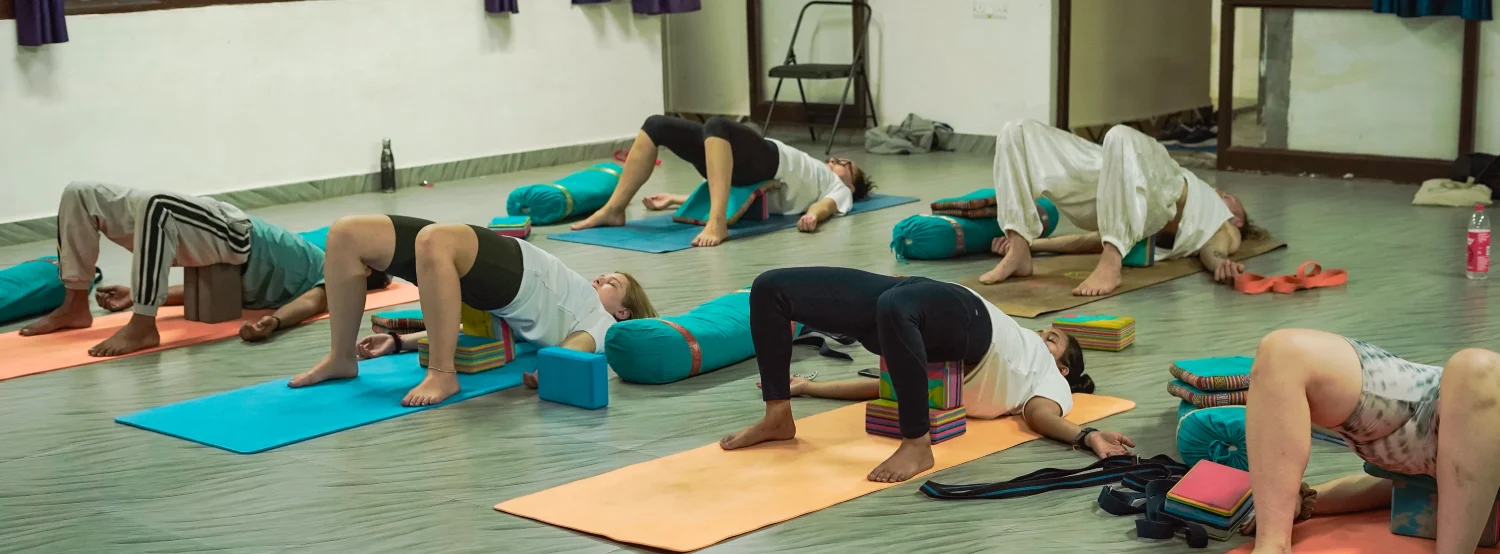
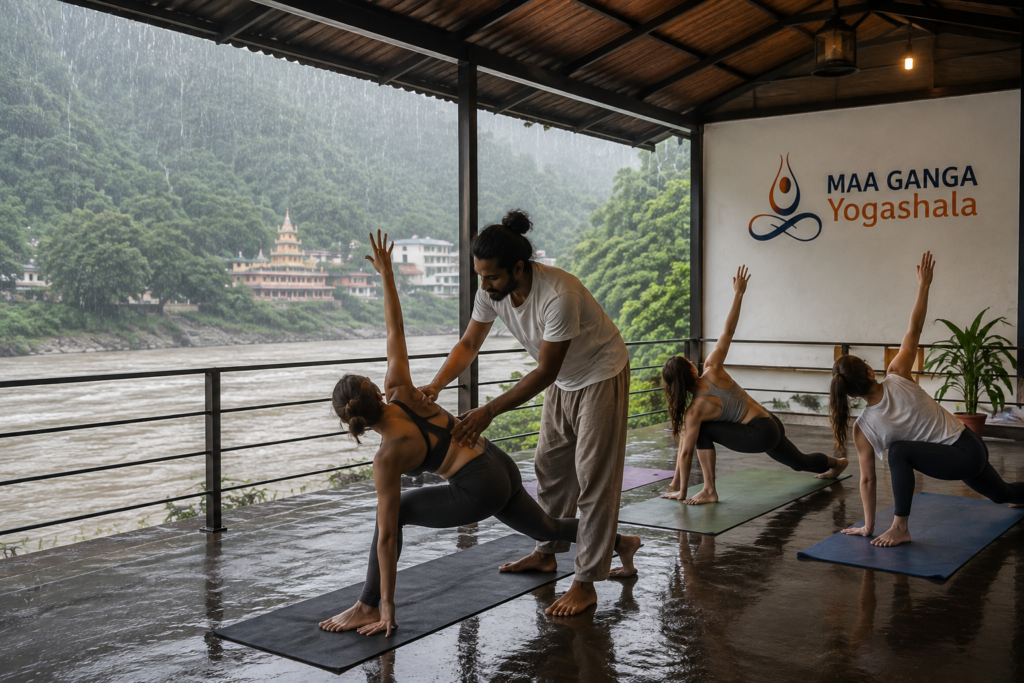
You may begin with an early yoga session while the air is fresh and the surroundings are still quiet. A covered practice space becomes especially valuable when rainfall starts. Instead of seeing the rain as an inconvenience, you can use those pauses to shift from active practice to pranayama, meditation, journaling, or study.
A thoughtful retreat schedule should leave room for weather changes. Outdoor excursions may need to move to another day, while indoor sessions can continue as planned. This flexibility matters more in monsoon than it does in a dry-season itinerary.
What to expect during a typical day
Your exact schedule will vary, but a balanced monsoon day may include:
- Morning asana practice in a covered space
- Pranayama, meditation, or philosophy study
- Nutritious meals and personal rest time
- An afternoon practice, workshop, or quiet self-study
- Evening relaxation, sound work, or meditation
You should also expect humidity, occasional damp clothing, wet walkways, and rain-related travel delays. A retreat that communicates these realities clearly is usually easier to enjoy than one that sells an unrealistically perfect weather picture.
Why Off-Season Rishikesh Works So Well for Deep Practice
When your environment becomes quieter, attention can become easier to protect. That does not mean the monsoon automatically makes you more disciplined. Your practice still depends on your routine and your willingness to stay present.
However, reduced external stimulation can help. You may spend less time navigating crowds and more time noticing what your body and mind are doing during practice.
This is especially relevant when your goal is a retreat rather than a sightseeing trip. A few days of consistent practice can feel more meaningful when your schedule has enough space for recovery.
Rain, rhythm, and recovery
Rain naturally encourages indoor activities and slower transitions. That can create an opportunity to work on foundations rather than constantly chasing intensity.
For example, you could give more attention to alignment, steady breathing, mobility, meditation, or technique. If you are newer to yoga, this slower pace may help you build confidence. If you already practice regularly, it can create space to refine details you often rush.
If you want a shorter commitment, you can look for a retreat format that fits your available days without forcing you into an overcrowded schedule.
What to Consider Before Booking a Monsoon Yoga Retreat
The season has real advantages, but you should not book blindly. The right retreat setup matters more when weather can affect movement and outdoor activities.
Start by checking what is included in the program. Ask whether classes continue during rain, whether the yoga space is covered, and how excursions are handled when conditions change.
Accommodation also deserves attention. During wet weather, ventilation, cleanliness, access, and practical drying space become more important. You should understand how easy it is to return to your room after a rainy class or outing. A useful guide to accommodation during yoga teacher training in Rishikesh can help you think through those practical questions before arrival.
Your practical monsoon checklist
Before confirming a retreat, check:
- Covered and well-ventilated yoga space
- Clear schedule with flexibility for weather changes
- Practical accommodation and easy access to practice areas
- A realistic policy for cancellations or changes to excursions
- Reliable communication from the school before arrival
- Time for rest rather than an overcrowded itinerary
You should also pack for conditions rather than photos: quick-drying clothes, comfortable sandals or shoes with useful grip, a light rain layer, personal medications, and a waterproof bag for electronics can make daily life easier.
Water conditions matter too. The Ganga can become stronger during heavy monsoon periods, so you should follow local safety guidance and avoid treating the river like a casual swimming spot.
Why Rishikesh? Why This Matters for Your Retreat Choice
Rishikesh offers a rare combination of yoga culture, river landscapes, Himalayan surroundings, and spaces designed for focused practice. In monsoon, that setting becomes even more central to the experience because the weather pushes you to engage with the environment rather than simply pass through it.
The most important question is not whether monsoon is universally better than peak season. It is whether the season matches your priorities.
Choose monsoon when you value quieter surroundings, lush scenery, slower routines, and deeper immersion in practice. Choose a different period when your top priorities are predictable outdoor travel, long excursions, or consistently dry weather.
You may also want to read Yoga Rishikesh monsoon season: 7 best reasons to visit before finalizing your dates. For first-time planning, how to book a yoga retreat in India can help you compare schedules, expectations, and practical details.
For broader information related to Indian systems of traditional wellness and AYUSH, you can also consult AYUSH.
Choosing Between a Retreat and Yoga Teacher Training
An off-season stay can be either a reset or a structured learning experience. Your choice should depend on how much time and commitment you want.
A retreat is usually the simpler option when you want to practice without making teacher education your main goal. A 3-day or 5-day format may be enough to step away from routine, rebuild consistency, and return home feeling more focused.
Teacher training is a bigger commitment. If you want a more intensive study of asana, philosophy, anatomy, teaching skills, and practice, a residential program can use the quieter season well.
For a more compact training format, you can explore the 100-hour yoga teacher training in Rishikesh. If you want a more comprehensive certification path, the 200-hour yoga teacher training in Rishikesh is the more substantial option.
When you compare programs, pay attention to what is actually included rather than choosing on course length alone.
A Gentle Time to Reconnect With Practice
There is another reason the monsoon can feel meaningful: it changes your expectations. You may arrive expecting to see everything and leave realizing that you needed to experience less, more slowly.
A quiet afternoon can become part of your retreat. So can sitting indoors while rain moves through the hills, practicing breathwork after a shower, or simply taking a break without feeling guilty about it.
That does not mean every rainy day will feel peaceful. Heavy rain can be inconvenient. Plans may change. Roads can be wet and travel can take longer. The point is to choose the season because you can accept those realities, not because you expect a perfect postcard every day.
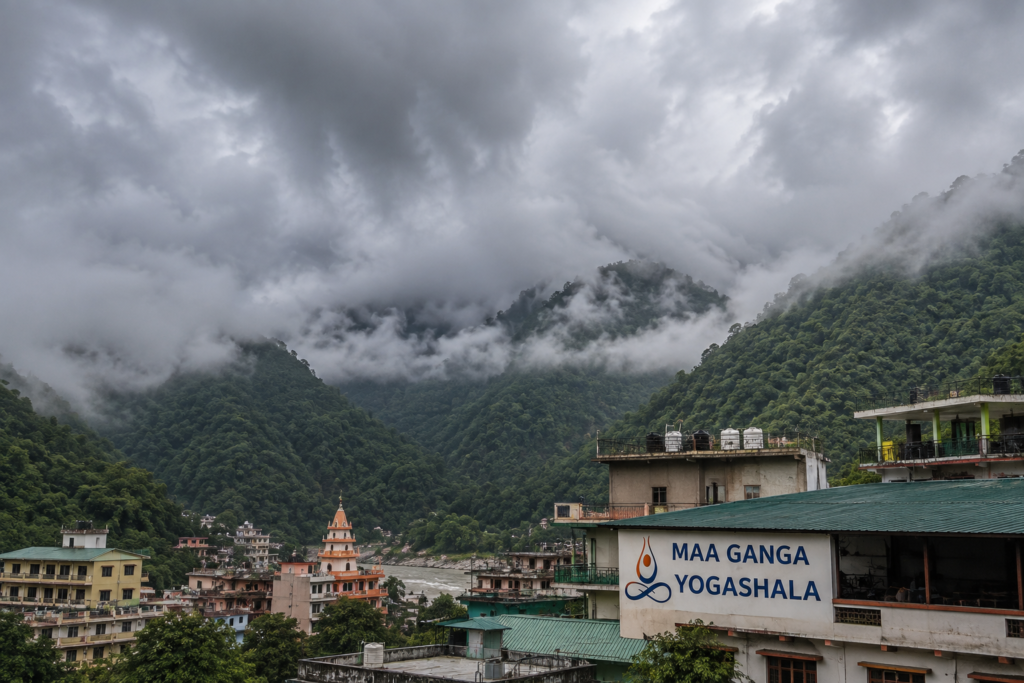
If you are considering training or retreating in Tapovan, Maa Ganga Yogashala offers programs designed around yoga practice in Rishikesh; explore our programs to compare the options.
How to Make Your Monsoon Retreat More Comfortable and Meaningful
The best way to enjoy the off-season is to plan for flexibility rather than trying to control every part of the trip. Give yourself a little margin around arrival, daily movement, and outdoor activities. A rainy morning should not ruin your day because your entire itinerary depends on one excursion.
Your mindset matters too. Instead of measuring the retreat by how many places you visit, measure it by how consistently you practice and how present you feel. You may find that one unhurried morning of yoga, breakfast, reading, and meditation gives you more value than a full day of rushing between attractions.
A few habits can make a noticeable difference:
- Keep your yoga clothing and essentials in an easy-to-access dry bag.
- Leave extra time for walks and local transport when roads are wet.
- Use breaks in the rain for journaling, pranayama, study, or rest.
- Keep your schedule open enough that a cancelled outdoor plan can become useful personal time.
- Respect local guidance around the river and weather rather than relying on assumptions from photos or previous visits.
If you are traveling alone, preparation is especially useful. Share your basic itinerary with someone you trust and keep your accommodation details accessible. You can also review solo women yoga retreat safety in India for practical planning considerations.
The goal is not to make monsoon completely predictable. It is to make you comfortable with the unpredictability so that weather becomes part of the experience rather than the reason your retreat feels disappointing.
Monsoon vs Peak Season: Which Rishikesh Experience Fits You?
Your ideal season depends on what you want from the trip. Peak-season travel may feel easier when you want dependable access to outdoor activities, longer sightseeing days, and fewer weather-related changes. Monsoon offers a different advantage: atmosphere, greenery, quieter stretches, and a stronger invitation to stay close to your practice.
For a dedicated practitioner, that difference can matter. If you already know that you are happiest with early yoga, meditation, meaningful meals, and unhurried evenings, you may not miss the packed itinerary that another traveler wants.
Budget can be another consideration, but price should not be your only filter. A lower seasonal rate is not useful if the program lacks a good practice space, clear communication, or sensible rainy-day arrangements. Compare the full experience, not just the headline cost.
FAQs About a Monsoon Yoga Retreat in Rishikesh
Is monsoon a good time for a yoga retreat in Rishikesh?
It can be an excellent fit if you prefer quieter surroundings, lush Himalayan scenery, and a slower routine. You should be comfortable with rain, humidity, and possible changes to outdoor plans.
Does rain stop yoga classes during a monsoon retreat?
Not necessarily. A well-planned retreat can continue indoor or covered sessions even when it rains. Before booking, confirm that the practice space is suitable for wet-weather conditions and ask how the schedule changes during heavy rainfall.
What should you pack for a monsoon retreat in Rishikesh?
Pack quick-drying yoga clothes, a light rain layer, footwear with good grip, a waterproof pouch or bag, personal essentials, and enough comfortable clothing for humid conditions. Keep electronics protected from moisture.
Is the Ganga safe during monsoon?
River conditions can become stronger and more unpredictable during heavy rainfall. Do not assume normal-season conditions apply. Follow current local safety guidance and any instructions from your retreat or accommodation.
Should you choose a retreat or teacher training?
Choose a retreat when your main goal is rest and practice over a shorter period. Choose teacher training when you want structured study and a deeper educational commitment. Your available time, experience, and long-term goals should decide the format.
Conclusion: Make the Off-Season Work for You
A monsoon yoga retreat Rishikesh off season experience is not about escaping the rain. It is about choosing a season that naturally supports a slower, quieter style of travel and practice.
You get greener landscapes, a different rhythm, and more room to focus on what brought you to Rishikesh in the first place. The trade-off is practical: rain can change plans, outdoor access can be less predictable, and you need accommodation and facilities that are prepared for wet weather.
That makes your choice of retreat provider important.
If you are ready to turn a few rainy days into focused practice, explore the 5-day yoga retreat in Rishikesh and choose a schedule that gives you enough space to practice, rest, and experience Tapovan at a slower pace.