Pranayama Types, Benefits, Practice: The Ultimate Guide
Mastering pranayama types benefits practice is your direct pathway to a calmer mind and a stronger body. If you constantly feel overwhelmed, fatigued, or disconnected, changing how you breathe will change how you live.
Most people only use a fraction of their lung capacity, leading to stagnant energy and chronic stress. By learning specific breathing methods, you tap into an ancient science designed to optimize your nervous system and mental clarity.
You will discover the exact techniques used by masters to control vital energy (prana) and remove blockages within the body. Whether you are a beginner looking to relieve anxiety or an advanced student aiming for deeper meditative states, understanding the mechanics of breath is essential.
This guide covers everything from the foundational techniques to the life-changing physical and psychological rewards of daily consistency. You will learn how to structure your routine, avoid common mistakes, and integrate these powerful tools into your everyday life.
The Physiology of Breath: Understanding Pranayama Types Benefits Practice
Before you sit on the mat, you need to understand what happens inside your body when you regulate your breath. The word ‘pranayama’ translates directly to the expansion of vital life force energy.
It is not merely inhaling oxygen and exhaling carbon dioxide; it is a profound tool for complete nervous system regulation. When you breathe shallowly into your upper chest, you signal to your brain that you are in physical danger.
This triggers a sympathetic “fight or flight” response, which exhausts your adrenal glands, disrupts your digestion, and clouds your thinking over time.
Conversely, deep diaphragmatic breathing activates the parasympathetic nervous system, commonly known as your “rest and digest” state. This vital shift lowers your heart rate, reduces cortisol levels, and brings your mind into a state of sharp, relaxed focus.
The PubMed database features numerous clinical studies demonstrating how controlled breathing patterns directly influence heart rate variability. Heart rate variability is a key indicator of your physical resilience and emotional regulation.
By exploring different breathing techniques, you gain a versatile, lifelong toolkit. Some practices are heating and stimulating, perfectly designed to burn through lethargy and awaken a dull mind.
Others are cooling and restorative, making them ideal for soothing a highly anxious or overworked nervous system before sleep. The true power lies in your ability to diagnose your current energetic state and prescribe the exact breathwork needed.
When you commit to understanding this internal landscape, you take full ownership of your physical and emotional well-being.
Essential Pranayama Types You Must Know
To build a solid and safe foundation, you must familiarize yourself with the primary techniques. Each method serves a distinct purpose and targets different energetic channels, known as nadis, within your body.
Nadi Shodhana (Alternate Nostril Breathing)
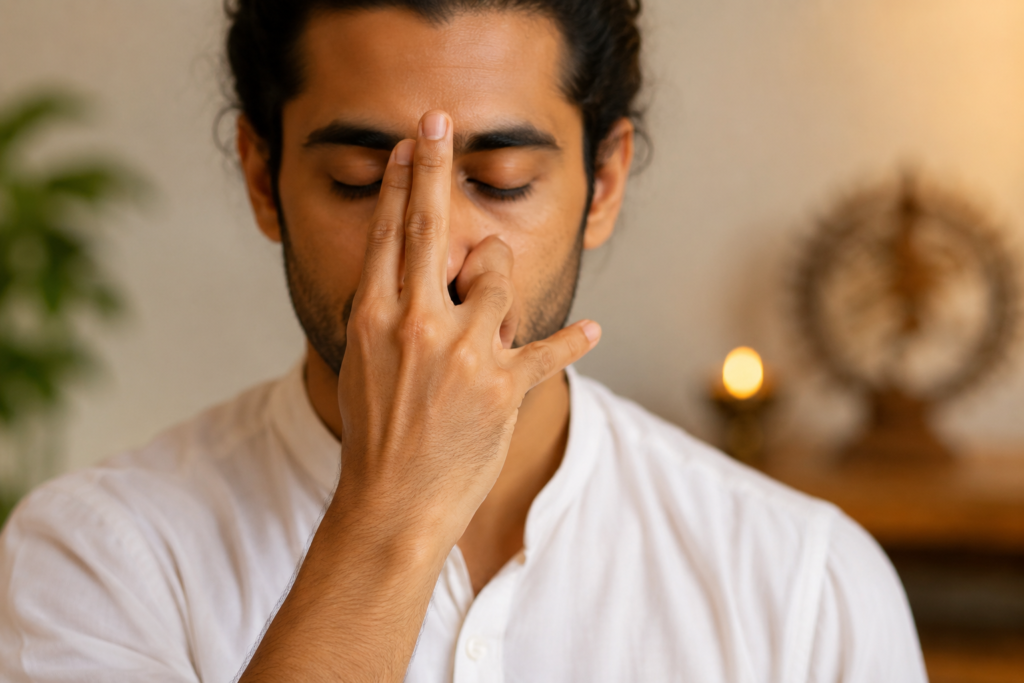
This technique is the ultimate balancing act for your entire system. Nadi Shodhana clears the energy channels and synchronizes the left and right hemispheres of your brain.
You use your right thumb and ring finger to alternate the flow of air gently between your left and right nostrils. This practice immediately lowers your resting heart rate and is perfect for calming a restless mind before seated meditation.
Kapalabhati (Skull Shining Breath)
Kapalabhati is an active cleansing kriya that builds intense internal heat. It involves forceful, rhythmic exhalations through the nose while the inhalations happen completely passively.
This technique forcefully expels stale air from the lower lungs, massages the digestive organs, and highly oxygenates your bloodstream. It is an incredible morning practice to wake up your system, clear brain fog, and prepare your body for movement.
Bhramari (Bee Breath)
When sudden anxiety strikes, Bhramari is your quickest, most effective remedy. By closing your ears and creating a gentle humming sound on the exhalation, you send healing vibrations throughout your skull.
This sonic massage directly soothes the vagus nerve and drops your brain waves into a deeply relaxed, restorative state. It is highly effective for insomniacs and those dealing with chronic daily stress.
Ujjayi (Victorious Breath)
Often used during physical asana practice, Ujjayi involves slightly constricting the back of your throat to create an audible, ocean-like sound. This friction warms the incoming air and naturally slows down your respiratory rate.
It builds sharp focus, endurance, and internal heat, making your physical practice far more meditative and grounded. If you are exploring how traditional practices differ in their use of breath, read our guide on Hatha vs Ashtanga Yoga: The Ultimate Guide for Beginners.
The Profound Physical and Mental Benefits
The impact of consistent breathwork extends far beyond the twenty minutes you spend on your mat. The physical benefits are profound, immediate, and scientifically measurable.
By expanding your functional lung capacity, you drastically improve the efficiency of your entire respiratory system. This means your heart does not have to work as hard to pump oxygen-rich blood to your vital organs and muscles.
Improved internal circulation accelerates cellular repair, boosts your immune system defense, and promotes vibrant, clear skin. Mentally, the benefits are even more transformative and life-altering.
Your breath is the only autonomic nervous system function that you can consciously control at will. By taking the reins of your respiratory rate, you directly influence your emotional state in real time.
Regular practice physically reshapes your brain over time, thickening the prefrontal cortex associated with logical decision-making. Simultaneously, it shrinks the amygdala, which acts as the brain’s primary fear center.
This is exactly why dedicated practitioners often report a profound sense of unshakeable calm, even in high-stress, chaotic situations.
Furthermore, intentional breathwork is a highly powerful tool for deep energetic healing. If you are working through deep-seated emotional blockages, specific breathing techniques help release trapped trauma from the physical body.
Pairing breathwork with specialized therapeutic modalities like Chakra Balancing Therapy can rapidly accelerate your healing journey. Adding vibrational therapies such as Singing Bowl Sound Healing creates a holistic shield against modern burnout, allowing you to shed old patterns quickly.
Building a Safe and Effective Practice Routine
Starting a new breathwork routine requires patience, deep respect for your body, and unwavering consistency. Do not rush into advanced breath retentions (Kumbhaka) before you have completely mastered the foundational basics.
Create a Dedicated Space and Time
The early morning, traditionally known as Brahmamuhurta, is the optimal time for any yogic practice. The air is fresh, and your stomach is completely empty, allowing your diaphragm to move freely without digestive obstruction.
Find a quiet, well-ventilated space in your home where you absolutely will not be disturbed. Sit on a firm cushion with your hips slightly elevated above your knees to keep your spine perfectly straight.
Focus on Posture and Alignment
A slumped, rounded posture restricts your maximum lung capacity by up to thirty percent. Roll your shoulders back and down, lift your chest gently, and keep your chin parallel to the floor.
Relax your facial muscles, your jaw, and your abdomen completely. Any physical tension in the body will inevitably translate into strained tension in the breath.
Establish a Calm Baseline
Before you attempt to control your breathing, spend a few minutes simply observing it. Track the natural rhythm of your inhalations and exhalations without trying to change them.
Notice where the breath catches, where it feels smooth, and whether you naturally breathe into your chest or your belly. This pure self-awareness is the crucial foundation of all advanced techniques.
According to traditional guidelines outlined by Yoga Alliance, forceful or strained breathing defeats the entire purpose of the practice. It can actually aggravate the nervous system rather than calm it down.
If you are unsure exactly where to start, seeking professional guidance through Beginner Yoga Retreat Packages Rishikesh can provide you with the personalized, hands-on instruction needed to build a strong foundation.
Why Rishikesh Elevates Your Experience
There is a distinct reason thousands of dedicated seekers travel to the foothills of the Himalayas every single year. Practicing in Rishikesh offers an environmental and energetic advantage that you simply cannot replicate in a western city.
The geographical location plays a massive, undeniable role in your spiritual progression. Situated directly on the banks of the sacred Ganga River and surrounded by ancient forests, the air is incredibly pure.
It is highly charged with negative ions, meaning when you practice deep breathing here, you take in pristine, life-giving oxygen. The altitude and the clean environment naturally enhance your respiratory capacity, making every session feel deeper and more expansive.
Beyond the physical environment, Rishikesh holds an undeniable, palpable spiritual vibration. It is a city where saints, sages, and dedicated yogis have practiced these exact techniques for thousands of years.
When you sit by the river to do your morning breathwork, you tap directly into that deep, historical current of dedication and profound peace. To truly understand the transformative power of this environment, read Why Yoga in Rishikesh is Life-Changing.
Begin Your Authentic Journey
If you are considering stepping away from your daily routine to focus on your health, Maa Ganga Yogashala offers the perfect sanctuary. We provide an authentic, traditional environment perfectly suited for mastering these ancient techniques.
Our 5 Days Yoga Retreat in Rishikesh provides the ideal immersive experience for those short on time but hungry for real growth. You will learn directly from highly experienced Indian masters who have dedicated their entire lives to understanding the subtle mechanics of breath.
Frequently Asked Questions
What is the precise difference between breathwork and pranayama?
While modern “breathwork” often focuses solely on physical and emotional release, traditional practices are deeply rooted in classical yogic philosophy. The ultimate goal is not just to feel temporarily good, but to control the life force and prepare the mind for deep, unbroken meditation.
How long does it actually take to see results?
You will feel the immediate calming effects of Nadi Shodhana or Bhramari during your very first session. However, deep structural changes to your nervous system, lung capacity, and baseline stress levels typically require three to four weeks of consistent, daily practice.
Can I safely practice if I have asthma?
Yes, but you must proceed with extreme caution and ideally under the guidance of a highly certified teacher. Practices like deep diaphragmatic breathing strengthen the lungs over time, but forceful techniques like Kapalabhati should be strictly avoided or practiced very gently.
Do I need to be flexible or good at physical yoga?
Not at all. Breath control is completely accessible to absolutely everyone, regardless of physical flexibility or core strength. You can practice highly effectively while sitting upright in a comfortable chair.
Conclusion
Your breath is the most accessible, powerful tool you possess for radically regulating your physical health and mental clarity. By understanding and implementing pranayama types benefits practice, you hold the exact key to transforming daily stress into profound serenity.
The techniques discussed here—from the deeply balancing effects of Nadi Shodhana to the revitalizing power of Kapalabhati—are not mystical secrets. They are practical, scientifically backed methods designed specifically for optimizing your human experience.
The journey to a calmer mind begins with a single, highly conscious breath. Commit to just five minutes tomorrow morning and notice the immediate difference in your focus and overall reactivity.
Ready to deepen your practice and truly master the ancient art of yogic breathing? Explore our comprehensive 200-Hour Yoga Teacher Training in Rishikesh and take the very first step toward a life-changing transformation today.