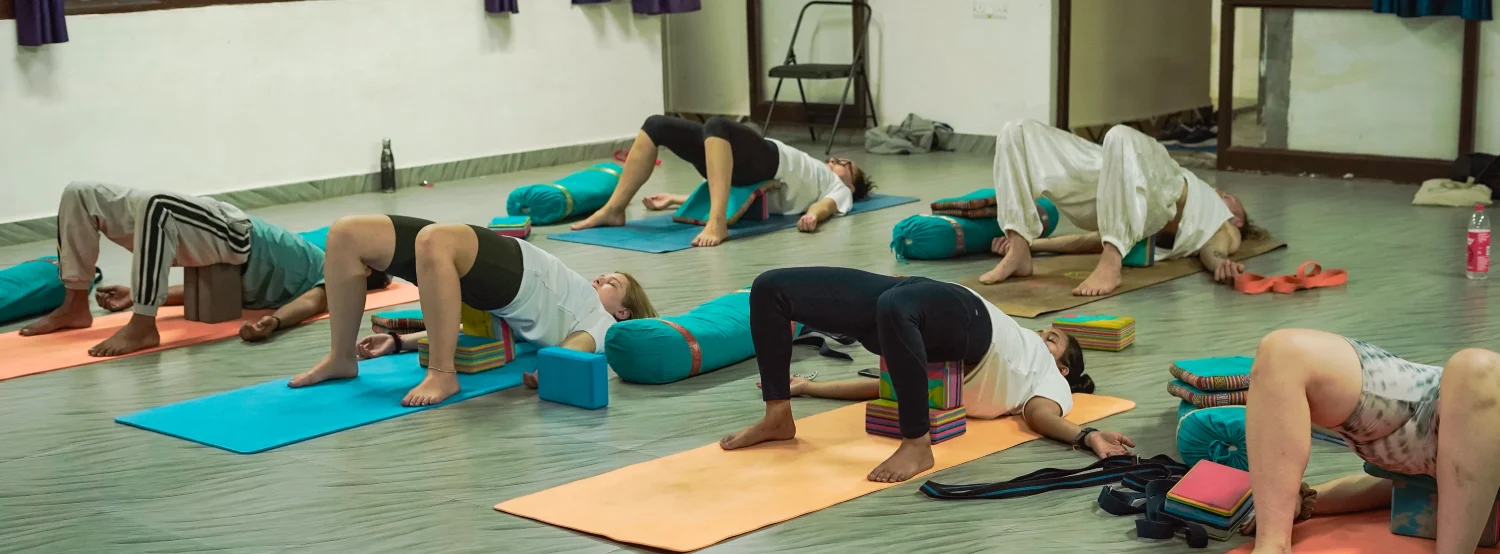

Yoga Teacher Career After 200 Hour TTC: The Ultimate Guide to Getting Started
Your yoga teacher career after 200 hour TTC officially begins the moment you roll up your mat on graduation day. You have spent weeks mastering complex asanas, studying ancient philosophy, and mapping out human anatomy. Now, you hold a physical certificate in your hands.
However, a daunting question often hovers in the minds of recent graduates. How exactly do you transition from a dedicated student to a confident, working instructor? Stepping out of the training bubble and into the real world requires a completely different set of skills.
Many new teachers struggle with imposter syndrome during this transitional phase. You might feel like you do not know enough to lead a room full of expecting students. This is a completely normal reaction to taking on a role of leadership and responsibility.
The secret to success is treating your teaching journey like a professional practice. Building a sustainable career takes time, strategic planning, and a willingness to put yourself out there. It requires you to blend the spiritual elements of yoga with practical business acumen.
This comprehensive guide will show you exactly how to navigate that critical transition. We will cover actionable steps to build your confidence, establish your personal brand, and secure those first crucial teaching opportunities.
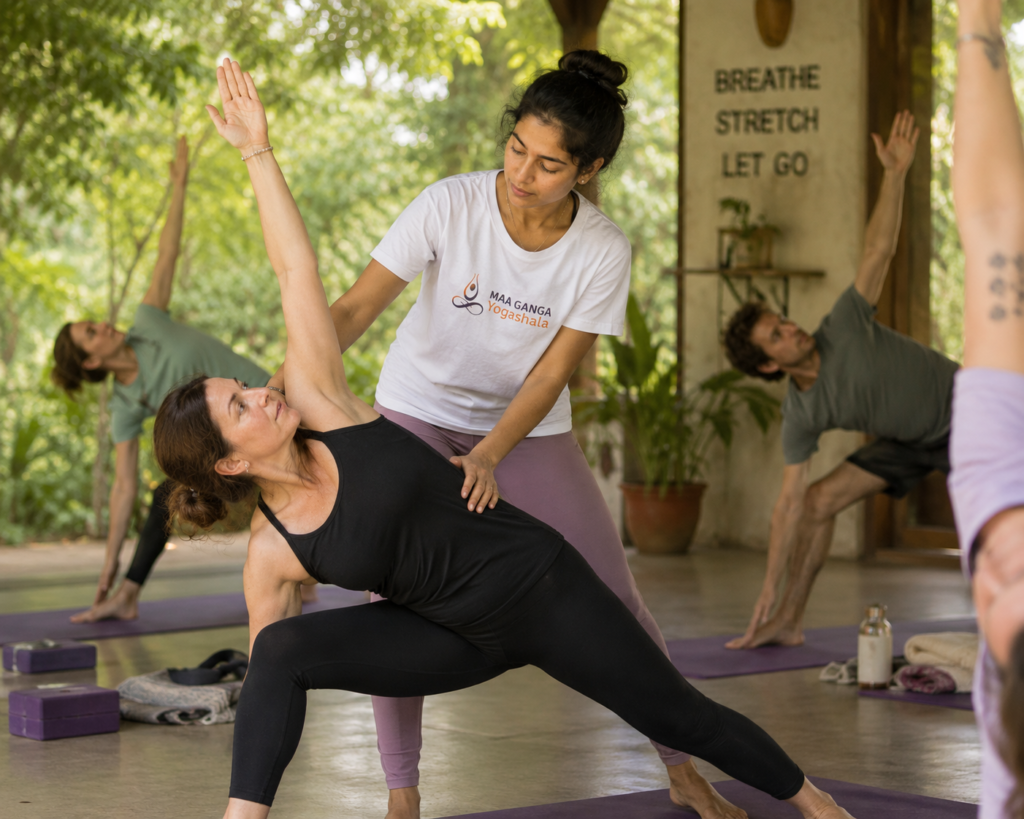
Yoga Teacher Career After 200 Hour TTC: Setting Your Foundation
The first step in launching your career is handling the essential administrative tasks. You must solidify your professional credentials before stepping into a studio to teach. This protects both you and your future students from potential liabilities.
Start by registering your certification with recognized global bodies. Organizations like Yoga Alliance provide a standard of trust that many studios look for when hiring new instructors. Being listed in their directory also adds a layer of professionalism to your resume.
If you need a refresher on how this process works, explore our guide on Best Yoga Alliance RYT 200 Certification Details: Full Guide. Understanding your credentialing options will save you a lot of confusion down the road.
Next, you need to secure comprehensive liability insurance. Teaching physical movement comes with inherent risks, no matter how safe your sequencing is. Insurance is non-negotiable if you plan to teach in public parks, rented spaces, or corporate offices.
You should also take the time to set up a basic business structure. Decide whether you will operate as a sole proprietor or form an LLC, depending on your local regulations. Open a dedicated bank account to keep your teaching income separate from your personal finances.
Finally, write a professional yoga resume. Highlight your recent training, any CPR/First Aid certifications, and your specific areas of interest. Keep it clean, concise, and focused on the value you bring to potential students.
Developing Your Unique Teaching Voice and Style
Finding your authentic voice is one of the biggest challenges for new instructors. It is incredibly tempting to mimic the tone, pacing, and vocabulary of the teachers who trained you. While imitation is a natural starting point, your students ultimately want to connect with you.
Start by scripting your classes out word for word. Writing down your cues helps you eliminate filler words and find clear, direct language. Once your sequence is on paper, practice teaching it to an empty room.
Speak loudly and clearly, projecting your voice from your diaphragm rather than your throat. Record yourself using your smartphone and play it back to evaluate your pacing. You will quickly notice if you are rushing through transitions or speaking too softly.
Mastering the Art of Sequencing
A confident voice relies heavily on a well-structured class plan. You need to know exactly where you are guiding your students before they ever step onto the mat. Intelligent sequencing prevents you from freezing up or losing your place during a flow.
Focus on creating classes that have a clear beginning, middle, and end. Build toward a peak pose logically, ensuring the body is properly warmed up. If you struggle with this, review our proven steps to Create Yoga Sequence After Teacher Training | 7 Best Steps.
Do not try to reinvent the wheel with overly complex transitions in your first year. Stick to foundational movements and master the art of cueing them perfectly. Simplicity allows you to focus on the energy of the room rather than memorizing a complicated routine.
Practical Steps to Build a Yoga Teacher Career After 200 Hour TTC
Experience is the most valuable currency when you are fresh out of training. You need to log hours in front of actual human bodies to refine your skills. Do not wait for a studio to hire you before you start teaching.
Begin by offering free or donation-based classes to your friends and family. Treat these sessions exactly like professional classes to build your muscle memory. Ask for honest, constructive feedback on your volume, pacing, and clarity.
Once you feel comfortable, expand your reach to your local community. Reach out to local parks, community centers, or libraries to host introductory workshops. These spaces are often eager for wellness programming and provide a low-pressure environment for new teachers.
You can also pitch corporate yoga classes to local businesses. Many companies now offer wellness perks to their employees and need reliable instructors. This is an excellent way to secure consistent, well-paying gigs outside of the traditional studio system.
To turn these early opportunities into a sustainable income, you must understand the business side of the industry. You are not just a teacher; you are an entrepreneur managing a brand. Read up on Yoga Business Skills After TTC: 7 Best Proven Success Steps to sharpen your entrepreneurial mindset.
Remember that every class you teach is an opportunity to learn. Take notes after every session regarding what worked and what fell flat. Continuous self-reflection is the hallmark of a dedicated and evolving practitioner.
Marketing Yourself and Finding Teaching Opportunities
Visibility is crucial when you are trying to establish your presence in a crowded market. You need a clear marketing strategy to attract students and catch the attention of studio owners. Word of mouth is powerful, but it needs to be supplemented with active promotion.
Start by building a clean, professional online presence. You do not need an expensive website immediately, but a dedicated Instagram or Facebook page is essential. Share high-quality photos of your practice, short instructional videos, and your upcoming class schedule.
Ensure your messaging speaks directly to your ideal student. Are you targeting stressed corporate workers, athletes needing mobility, or beginners looking for gentle movement? Tailor your content to address their specific pain points and goals.
When you are ready to approach studios, do your research first. Attend classes at the studio to understand their vibe, student demographic, and teaching style. Introduce yourself to the manager only after you have become a familiar face in the community.
When requesting an audition, be professional and concise. Bring a printed copy of your resume and a sequence plan. For a deep dive into self-promotion, explore our guide on How to Market Yourself as Yoga Teacher: 7 Proven Steps.
Stay updated on industry standards and traditional guidelines. Familiarizing yourself with resources from bodies like the Ministry of Ayush can provide valuable context on traditional practices. This broadens your understanding and adds depth to your professional knowledge base.
Continuing Education and Expanding Your Skillset
Graduating from your initial training is merely the first step on a lifelong path of learning. The best teachers remain dedicated students long after they receive their certificates. Continuing education keeps your classes fresh and prevents professional burnout.
Consider exploring specialized modalities that complement your foundational knowledge. Adding tools like meditation, breathwork, or restorative practices allows you to serve a wider range of students. It also makes you more employable to studios looking for diverse class offerings.
Sound therapy is rapidly growing in popularity and pairs beautifully with traditional asana. Learning how to use singing bowls can dramatically enhance your students’ relaxation experience. Discover more about this powerful modality on our Sound Healing page.
You might also consider taking shorter intensives focusing on specific demographics. Prenatal yoga, trauma-informed teaching, or yoga for seniors are highly sought-after specialties. Niche training allows you to stand out in a saturated market and command higher rates.
Never underestimate the power of self-study and daily personal practice. Your personal time on the mat is where true inspiration for your public classes originates. If your own practice dries up, your teaching will inevitably suffer the same fate.
Why Rishikesh is the Perfect Place to Launch Your Path
Location plays a massive role in shaping your understanding of this ancient discipline. There is no place on earth quite like Rishikesh for immersing yourself in authentic yogic culture. The entire city vibrates with decades of spiritual dedication and global knowledge sharing.
Studying and networking here connects you with a global community of practitioners. You will meet studio owners, retreat leaders, and fellow teachers from every corner of the world. These connections often lead to international teaching opportunities and lifelong friendships.
The environment itself accelerates your personal and professional growth. Waking up to the sound of the Ganga River and practicing in the shadow of the Himalayas changes your perspective. You return home not just with a certificate, but with a profound energetic shift.
Immersing yourself in the local ashram culture provides a blueprint for authentic living. You learn how to carry the philosophy of yoga off the mat and into your daily interactions. This depth of experience translates directly into how you lead and hold space for your future students.
To understand the core of what makes this location so special, explore our homepage at Maa Ganga Yogashala. Discover the environment that has shaped countless successful teaching careers.

Take the Next Step in Your Journey
Transitioning into a teaching role requires courage, proper guidance, and a supportive community. You do not have to navigate this transformative period entirely on your own. Surrounding yourself with experienced mentors can dramatically accelerate your success.
If you’re considering training in Rishikesh, Maa Ganga Yogashala offers comprehensive programs designed to build highly capable instructors. We focus heavily on teaching methodology, voice activation, and practical business skills.
Whether you are looking to start fresh or upgrade your current skills, we provide the ultimate environment for growth. Join our upcoming 200-Hour Yoga Teacher Training in Rishikesh to build a rock-solid foundation for your future career.
Frequently Asked Questions
How long does it take to get hired after a 200-hour training?
The timeline varies wildly depending on your location, networking skills, and persistence. Some graduates secure community classes within weeks, while traditional studio roles may take three to six months. Focus on building your experience through private and donation-based classes while you apply to studios.
Can I make a full-time living teaching yoga?
Yes, but it requires treating your practice like a business and diversifying your income streams. Relying solely on public studio classes is often not enough to sustain a full-time income. Successful teachers combine studio classes with private clients, corporate gigs, online offerings, and specialized workshops.
Do I need to be advanced in physical poses to be a successful teacher?
Absolutely not. The ability to perform advanced gymnastics has very little to do with your ability to teach effectively. Good teaching is about clear communication, empathy, safety, and holding a supportive space for your students. Many highly successful instructors focus entirely on gentle, accessible movement.
Should I get my own liability insurance immediately?
Yes, securing liability insurance should be one of your very first steps after graduation. Even if you are only teaching friends in a park, insurance protects you from unforeseen accidents. Never teach a public or private session without adequate professional coverage.
Conclusion
Building a successful yoga teacher career after 200 hour TTC is a marathon, not a sprint. It demands patience, resilience, and a willingness to learn from your early mistakes. By securing your administrative foundation, developing a clear voice, and actively seeking opportunities, you set yourself up for long-term success.
Remember that every master was once a beginner who simply refused to quit. Keep stepping onto your mat, keep refining your cues, and keep serving your students with an open heart. The world needs your unique perspective and the specific energy you bring to the practice.
Ready to begin? Explore our 200-Hour Yoga Teacher Training in Rishikesh and take the first step today.