Partner Sound Healing Practices for Couples: 7 Meaningful Ways to Connect Through Sound
Introduction
What if you could communicate with someone you love without saying a single word? Partner sound healing practices couples can explore together offer an interesting way to slow down, share a peaceful experience, and become more aware of each other’s presence.
Sound healing uses instruments such as Tibetan singing bowls, crystal bowls, tuning forks, and gentle vocal sounds to create immersive listening experiences. When you practise together, the experience becomes more than simply listening to relaxing sounds. You learn to pay attention, respect each other’s comfort, and share moments of stillness.
You do not need previous meditation experience or musical ability. A quiet room, a comfortable position, and a willingness to participate are enough to begin.
In this guide, you will discover seven practical exercises, learn how to organise a shared session, understand important safety considerations, and explore why Rishikesh is an appealing destination for experiencing sound-based wellness practices together.
1. How Partner Sound Healing Practices Couples Can Explore Together
Sound healing becomes particularly interesting when two people participate actively rather than simply attending the same session.
You and your partner can take turns creating sounds, listen to the same vibrations, or practise silent meditation while gentle instruments are played. Each activity encourages a different kind of awareness.
The purpose is not to produce identical emotional responses. One person may feel relaxed, another may become more attentive to their breathing, and someone else may simply enjoy the sound.
Understanding the Shared Experience
A typical sound healing session may involve instruments such as:
- Tibetan singing bowls: Metal bowls played using a mallet to produce resonant tones.
- Crystal singing bowls: Instruments commonly used to create sustained, clear tones.
- Tuning forks: Tools that produce specific vibrations when gently activated.
- Chimes: Small instruments that create delicate sounds suitable for relaxation.
- Human voice: Humming, chanting, and gentle vocalisation can become part of a shared practice.
You can explore these instruments without treating their sounds as medical treatments.
The experience is primarily about mindful listening, relaxation, and creating a peaceful environment.
Why Practise With Someone Else?
Practising together introduces an additional element: shared attention.
Instead of concentrating exclusively on your own experience, you become aware of the other person’s participation. You can notice when they prefer silence, enjoy a particular sound, or need a break.
This can make the practice feel more personal and encourage thoughtful communication outside the session.
Sound healing is not a substitute for relationship counselling or a solution to unresolved conflicts. It is better understood as a complementary wellness activity that two willing participants can enjoy together.
For a deeper understanding of different session formats, explore our guide to group versus private sound healing sessions.
2. Seven Partner Sound Healing Practices for Couples
You do not need to follow a complicated routine. Start with one exercise and gradually explore others as you become comfortable.
These seven practices can be adapted for beginners, experienced meditators, friends, and couples.
Practice 1: Shared Singing Bowl Meditation
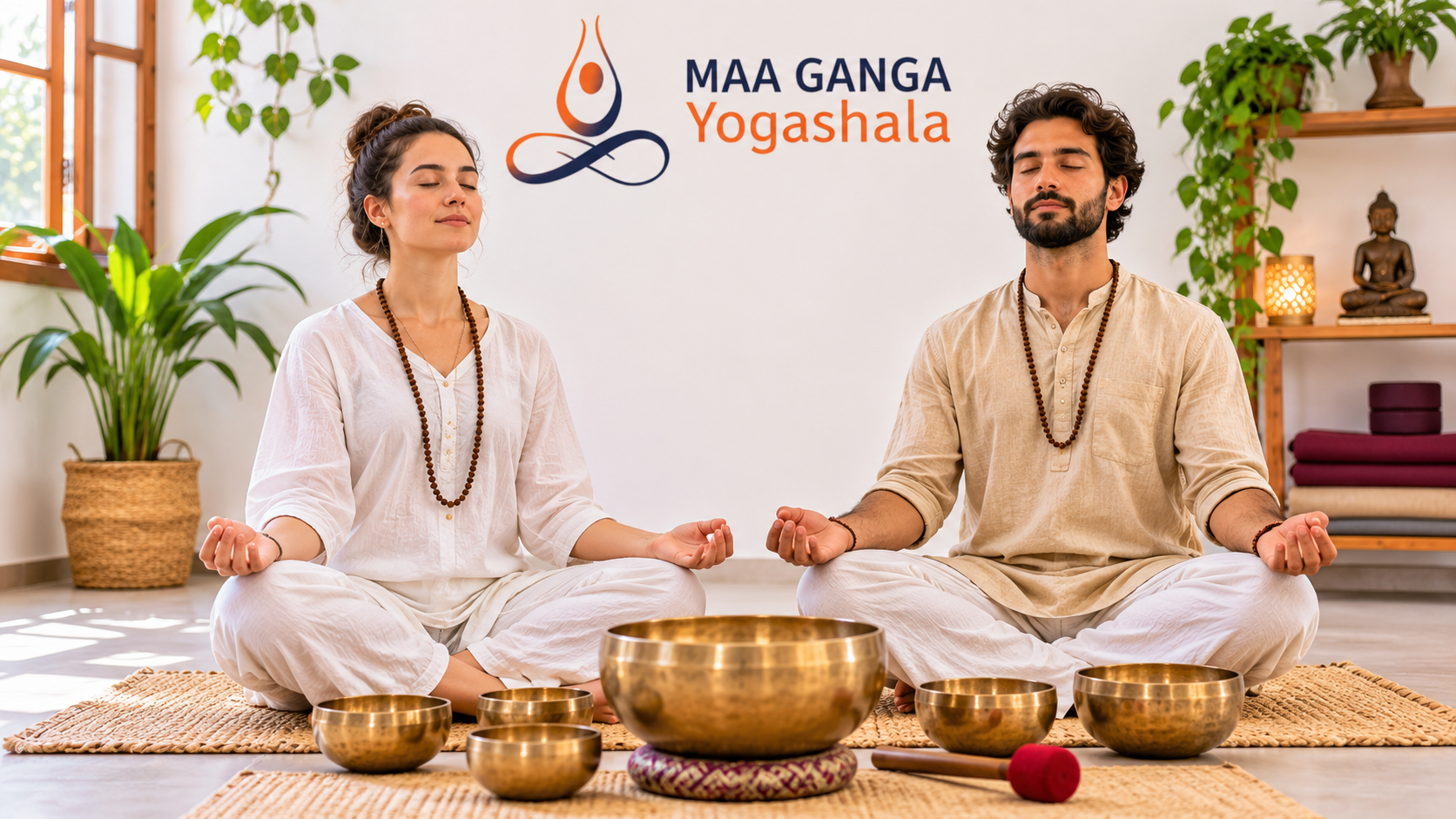
<image-placeholder>In-content image 1: A couple sitting comfortably opposite each other while Tibetan singing bowls are arranged between them.</image-placeholder>
This is one of the simplest ways to experience sound meditation together.
Place a singing bowl between you and your partner. Sit comfortably with your backs supported and your eyes open or gently closed.
One person can play the bowl softly while the other listens. After a few minutes, exchange roles.
How to practise:
- Choose a quiet and comfortable space.
- Sit approximately an arm’s length apart.
- Place the bowl on a stable cushion or mat.
- Strike it gently or move the mallet around its rim.
- Listen until the sound naturally fades.
- Exchange roles after two or three minutes.
Try this for approximately 10 minutes.
Pay attention to the beginning, duration, and fading of each sound. Avoid striking the bowl forcefully or placing it close to someone’s ears.
Practice 2: Synchronized Breathing With Gentle Sounds
Breathing together can create a simple shared mindfulness routine.
Sit comfortably next to each other. A singing bowl or soft chime can provide a gentle starting signal.
Inhale naturally, then exhale without forcing your breath. Allow the other person to follow their own comfortable breathing rhythm.
You can begin with a few minutes of ordinary breathing before introducing any synchronization.
Try this routine:
- Sit comfortably with relaxed shoulders.
- Take five natural breaths without changing their depth.
- Listen to a gentle sound between breathing cycles.
- Continue for five minutes.
- Finish with one minute of silence.
There is no need to hold your breath or match breathing patterns perfectly.
The important part is developing awareness of your own breathing while sharing a calm activity.
Practice 3: Partner Humming Meditation
Your voice is one of the simplest instruments available.
Humming produces gentle vibrations that you can feel around your lips, face, and throat. When two people hum together, they create an opportunity to explore sound without needing musical training.
Sit facing each other or side by side.
Begin with a comfortable inhalation and produce a gentle humming sound while exhaling. Your partner can join at the same time.
Experiment with humming separately before trying it together.
A simple five-minute session:
- Sit quietly for one minute.
- Hum gently for 30 seconds.
- Pause and listen.
- Repeat with your partner.
- Finish by humming together for one minute.
Keep your voice natural. Stop if you experience throat discomfort or dizziness.
This exercise can also be adapted into a quiet mantra practice if both participants enjoy chanting.
Practice 4: Alternating Sound and Silence
Sometimes the most meaningful part of sound healing is the silence that follows.
For this exercise, one person creates a gentle sound using a singing bowl or chime. The other listens without speaking.
When the sound disappears, remain silent for another 30–60 seconds.
Then exchange roles.
The listener does not need to interpret the sound or guess what the other person intended. Simply noticing the experience is enough.
You can repeat this process for approximately 10 minutes.
This practice encourages patience and listening without interruption. It can be especially useful when you want a peaceful activity that does not require conversation.
Practice 5: Gentle Tuning Fork Listening
Tuning forks are used in some sound-based wellness practices to produce consistent tones.
For a shared beginner exercise, use a tuning fork intended for gentle listening.
Activate it according to the manufacturer’s instructions and hold it at a comfortable distance from both participants.
Take turns listening to the tone as it fades.
Do not place vibrating tuning forks directly against another person’s body unless you have appropriate professional training and a suitable instrument.
You should also avoid using them near the ears at uncomfortable volumes.
If you want to understand the differences between sound instruments and listening methods, read our guide to binaural beats versus singing bowl healing.
Practice 6: Guided Couples Sound Bath
A sound bath is a guided listening experience in which participants relax while instruments create layers of sound.
You and your partner can lie on separate yoga mats, maintaining enough personal space to feel comfortable.
A facilitator may play Tibetan bowls, crystal bowls, chimes, and other instruments.
You do not need to interact throughout the session. Simply listen and rest.
A beginner-friendly session might include:
- Five minutes of settling into a comfortable position.
- Ten minutes of gentle singing bowl sounds.
- Five minutes of chimes and softer instruments.
- Five minutes of quiet relaxation.
- A few minutes to return to normal activity.
The facilitator should adjust the volume and instrument placement according to participants’ comfort.
A private session can offer greater flexibility than a group setting, especially if you have specific preferences about sound intensity.
Practice 7: Gratitude and Sound Meditation
This practice combines mindful listening with a short reflection.
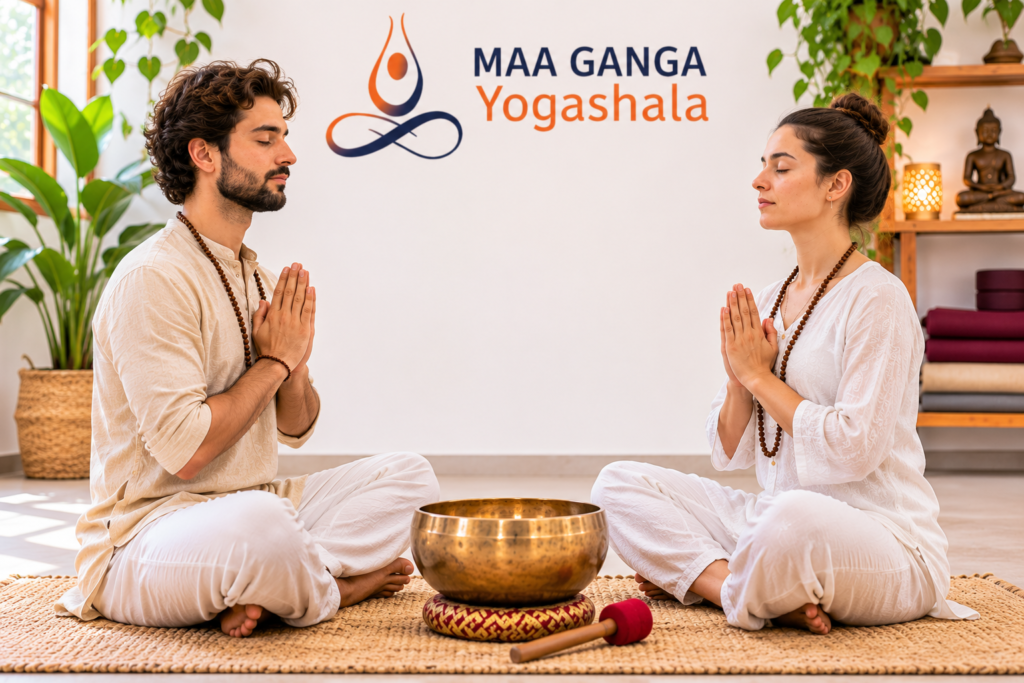
Sit together and place a singing bowl between you.
One person plays the bowl gently. When the sound fades, each participant silently thinks of something they appreciate about the other person.
After a few rounds, you can share your reflections if you both feel comfortable.
For example, you might appreciate your partner’s patience, support, kindness, or willingness to spend time together.
Avoid turning the exercise into a discussion about disagreements or expectations.
The aim is to create a positive moment of awareness, not to force emotional conversations.
3. How to Organise a Shared Sound Healing Session at Home
You do not need an expensive collection of instruments to create a comfortable sound healing environment.
A simple setup is often more useful than purchasing several instruments before understanding which sounds you enjoy.
Choose the Right Space
Find a room where you can sit or lie down without interruptions.
Consider these practical details:
- Use yoga mats or comfortable floor cushions.
- Keep mobile phones on silent.
- Reduce unnecessary background noise.
- Maintain comfortable room temperature.
- Keep drinking water nearby.
- Avoid strong fragrances if either participant is sensitive to them.
You can also create a peaceful atmosphere with natural lighting rather than bright overhead lights.
If you want inspiration for arranging your practice area, explore our guide to creating a sound healing space at home.
Select Instruments Carefully
Beginners can start with one singing bowl and a suitable mallet.
You can gradually introduce other instruments after understanding how different sounds affect your listening experience.
Do not assume that more instruments automatically create a better session.
A simple arrangement may include:
| Instrument | Beginner-friendly use |
|---|---|
| Tibetan singing bowl | Gentle sound meditation |
| Crystal singing bowl | Sustained listening |
| Chimes | Short transitions |
| Tuning fork | Focused tone listening |
| Human voice | Humming and chanting |
Choose comfortable sound levels rather than trying to create the loudest or most intense experience.
Create a 20-Minute Practice Routine
Here is a practical routine you can follow together:
| Duration | Activity |
|---|---|
| 3 minutes | Comfortable seating and natural breathing |
| 5 minutes | Alternating singing bowl sounds |
| 5 minutes | Shared humming or silent listening |
| 5 minutes | Relaxation with gentle sounds |
| 2 minutes | Quiet reflection |
You can extend or shorten the session depending on your comfort.
After finishing, take a moment to discuss what you enjoyed and whether you would change anything next time.
What About Scientific Evidence?
Sound-based relaxation practices are popular, but their benefits should be described realistically.
Some preliminary research on singing bowl interventions has explored relaxation, mood, and perceived tension. However, the available research is limited, and results do not establish that singing bowls cure medical conditions or reliably improve relationships.
You can explore published scientific research through PubMed.
For a beginner, the most sensible expectation is to approach sound meditation as a complementary relaxation practice rather than a guaranteed therapeutic treatment.

4. Important Safety Tips Before Practising Sound Healing Together
A peaceful environment is important, but personal comfort and consent matter even more.
Not everyone enjoys the same sounds, volume, or meditation position. A shared practice should never become an activity that one person feels pressured to complete.
Respect Individual Sound Sensitivity
Some people are sensitive to particular frequencies, sudden sounds, or loud instruments.
Start with low volume and increase it only if both participants are comfortable.
Keep singing bowls and other instruments away from the ears. Avoid sudden striking and stop immediately if either participant experiences discomfort.
Avoid Unnecessary Physical Contact
Some sound healing traditions involve placing instruments on or near the body.
However, physical contact should never be assumed to be acceptable simply because two people are practising together.
Ask for permission before introducing any physical technique.
For beginners, listening to instruments placed on the floor is a straightforward alternative.
Be Careful With Health-Related Expectations
Sound healing should not replace medical treatment, psychological care, or professional relationship counselling.
If either participant has tinnitus, significant sound sensitivity, a history of seizures triggered by sensory stimulation, or another relevant health concern, seek appropriate professional advice before participating.
Pregnancy, hearing-related concerns, and other individual circumstances may also require additional consideration.
Keep Emotional Boundaries Clear
Meditation can sometimes bring up unexpected emotions or memories.
If either person becomes uncomfortable, pause the session.
You do not have to explain every feeling immediately. You can simply stop, drink some water, and return to ordinary conversation when ready.
A genuinely supportive practice respects the freedom to participate, modify an exercise, or leave at any time.
5. Why Rishikesh Is a Meaningful Place to Experience Sound Healing Together
Rishikesh offers a distinctive setting for people interested in yoga, meditation, and traditional wellness practices.
Located in Uttarakhand, near the Himalayan foothills and the River Ganga, the city attracts Indian and international visitors seeking yoga education, spiritual exploration, and peaceful retreats.
For two people interested in sound healing, the environment can provide an opportunity to step away from familiar routines and experience structured wellness activities.
A Strong Yoga and Meditation Culture
Tapovan and nearby areas have yoga schools, meditation spaces, and wellness centres.
You can find opportunities to explore different yoga traditions, attend guided meditation sessions, and learn about sound-based practices.
The atmosphere also encourages you to spend time walking, practising yoga, and experiencing the natural surroundings.
Learn From Guided Sessions
Your first sound healing experience does not necessarily need to be a completely independent home practice.
A guided session can help you understand instrument handling, sound intensity, session structure, and relaxation techniques.
This is particularly useful when you are unfamiliar with singing bowls or other traditional instruments.
You can also compare individual and group experiences before deciding which approach suits you.
Combine Sound Healing With a Yoga Retreat
If you have several days in Rishikesh, consider combining sound meditation with yoga and mindful relaxation.
A 3-day yoga retreat in Rishikesh can be a practical starting point for experiencing structured yoga activities during a shorter visit.
You can also explore the broader yoga and meditation programmes at Maa Ganga Yogashala when planning your stay.
Rishikesh is not a guarantee of healing or personal transformation. Its value lies in the opportunity to learn, practise, and experience wellness activities in a setting with a long-standing yoga culture.
6. Explore Sound Healing at Maa Ganga Yogashala in Rishikesh
If you want to move beyond practising with online recordings or a single singing bowl at home, learning in a guided environment can help you understand the practice more clearly.
At Maa Ganga Yogashala, located on Badrinath Road in Tapovan, Rishikesh, you can explore sound healing alongside the wider yoga and meditation environment of the region.
Our sound healing programme offers a starting point for discovering sound-based wellness practices and learning about the role of traditional instruments.
You can also explore chakra balancing practices if you are interested in understanding how sound-based approaches are incorporated into different wellness traditions.
Whether you are visiting with your partner, a friend, or independently, choose a programme that matches your experience, interests, and comfort level.
Image suggestion for this section
A peaceful yoga and sound healing environment with singing bowls arranged on a mat, natural light entering the room, and two participants relaxing comfortably.
7. Frequently Asked Questions About Partner Sound Healing
1. Can beginners practise sound healing together?
Yes. Beginners can start with simple listening meditation, gentle humming, or alternating singing bowl exercises.
You do not need musical training or previous meditation experience. Start with short sessions and comfortable sound levels.
2. Do couples need special singing bowls for sound healing?
No. You can begin with one good-quality singing bowl and an appropriate mallet.
The instrument does not need to be expensive. Choose one that produces a comfortable sound and can be played safely.
3. How long should a couples sound healing session last?
A beginner-friendly session can last between 15 and 30 minutes.
Start with shorter sessions and adjust the duration according to your comfort and attention.
There is no requirement to practise for an extended period to enjoy the experience.
4. Can sound healing improve a relationship?
Sound healing may provide a shared opportunity for relaxation, mindful listening, and spending uninterrupted time together.
However, there is no strong evidence that it directly resolves relationship problems or guarantees emotional closeness.
Healthy communication, mutual respect, and professional support remain important when addressing relationship difficulties.
5. Where can you experience sound healing in Rishikesh?
Rishikesh has yoga schools and wellness spaces where you can explore meditation and sound-based practices.
Maa Ganga Yogashala in Tapovan offers a sound healing programme that you can explore when planning your visit.
Check the programme details, availability, session format, and suitability before booking.
Conclusion: Make Sound Healing a Shared Practice
Partner sound healing practices couples explore together can create meaningful opportunities to slow down, listen carefully, and enjoy moments of quiet without depending on constant conversation.
From shared singing bowl meditation and synchronized breathing to guided sound baths and gratitude exercises, you have several ways to begin.
Start with a simple routine, respect each other’s comfort, and avoid expecting identical experiences. The value of the practice lies in making time for mindful participation rather than chasing dramatic results.
If you want to explore sound healing in a structured yoga environment, visit Maa Ganga Yogashala in Tapovan, Rishikesh.
Ready to experience sound healing in Rishikesh? Explore our Sound Healing Programme and take the next step towards learning mindful sound-based wellness practices.