100 Hour YTT Certificate International Recognition: Everything You Must Know
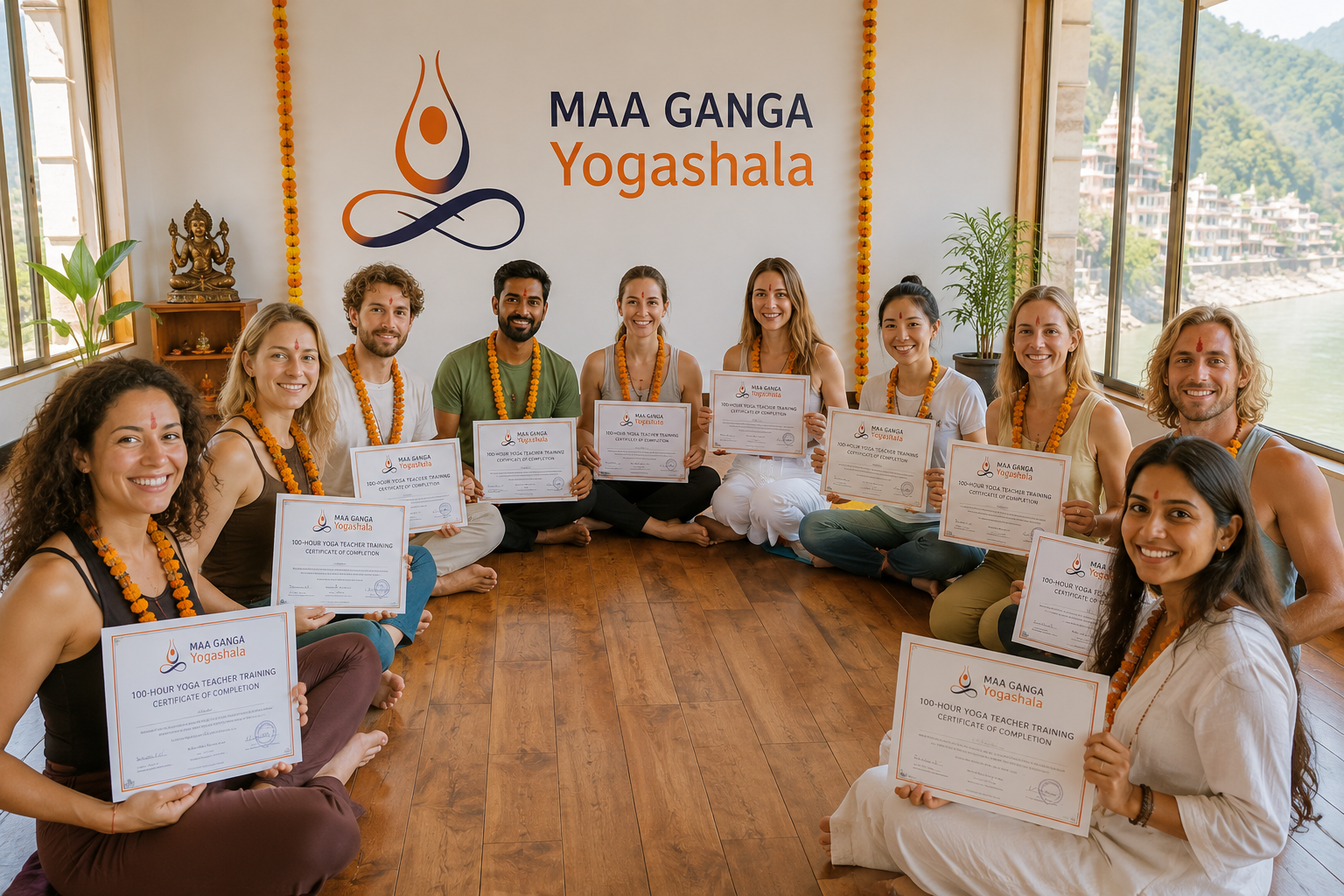
Securing a 100 hour YTT certificate international recognition is often the first major step for aspiring instructors globally. You might be wondering if this foundational training actually holds weight across borders.
When you dedicate your time, energy, and finances to a yoga program, you want assurance that your credential means something. You want to know that studios, gyms, and private clients will respect your qualification.
This guide breaks down exactly how global standards work for shorter training formats. You will discover what this certificate allows you to do, where its limits lie, and how to use it strategically.
What Does 100 Hour YTT Certificate International Recognition Actually Mean?
Understanding the global landscape of yoga certification starts with recognizing the major governing bodies. The industry relies heavily on registry organizations to maintain consistency across continents.
When people ask about global validity, they usually refer to standards set by Yoga Alliance. This US-based organization created the 200-hour benchmark that most studios worldwide now require for lead instructors.
So, where does a 100-hour course fit in? A 100-hour program is almost always designed as the first half of a complete 200-hour certification. It gives you an authentic, verifiable certificate of completion from your registered school.
While it does not automatically allow you to register as an RYT (Registered Yoga Teacher) on its own, it carries significant weight. It proves you have undergone intensive, standardized training under qualified lead trainers.
The Core Requirements for Global Yoga Certification
To hold international value, your training must cover specific educational categories. Global bodies mandate strict hours dedicated to different aspects of the practice.
You must complete detailed study in techniques, training, and practice. This includes asanas, pranayama, and meditation, ensuring you know how to safely execute and guide these elements.
Another massive component is anatomy and physiology. You cannot guide students safely without understanding biomechanics, the skeletal system, and how movement impacts the physical body.
Finally, your course must cover yoga humanities and professional essentials. This blends ancient philosophy with modern teaching ethics, ensuring you respect the roots of the practice while running a safe class.
Can You Teach Anywhere With 100 Hour YTT Certificate International Recognition?
This is the most common question for new practitioners. The answer regarding a 100 hour YTT certificate international recognition depends entirely on where and what you intend to teach.
Major commercial gyms and large studio franchises typically require a full 200-hour credential for insurance and liability reasons. They need that standardized baseline for their regular roster.
However, many boutique studios, community centers, and retreat spaces are incredibly open to hiring instructors with a 100-hour background. They value the practical knowledge and authentic foundation you bring.
In fact, understanding the realities of teaching yoga after 100 hour certification reveals that many graduates immediately start guiding friends, family, and private clients safely.
Understanding the Limitations and Opportunities
It helps to view this certification as a stepping stone rather than a final destination. The 100-hour format provides an immersive introduction to the mechanics of teaching.
Your opportunities expand significantly when you pair this foundational knowledge with specialized, niche skills. For example, some instructors combine their yoga background with alternative modalities to stand out.
Adding complementary certifications makes you highly employable. Many students explore sound healing to create unique, hybrid classes that studios desperately want on their schedules.
By understanding the physiological impact of these modalities, such as the sound healing trauma PTSD healing connection, your 100-hour certificate becomes part of a broader, highly marketable wellness portfolio.
Curriculum Breakdown: What Makes It Globally Valid?
A globally recognized program does not just make you sweat; it actively rewires how you understand the human body. The curriculum is highly structured to build competent leaders.
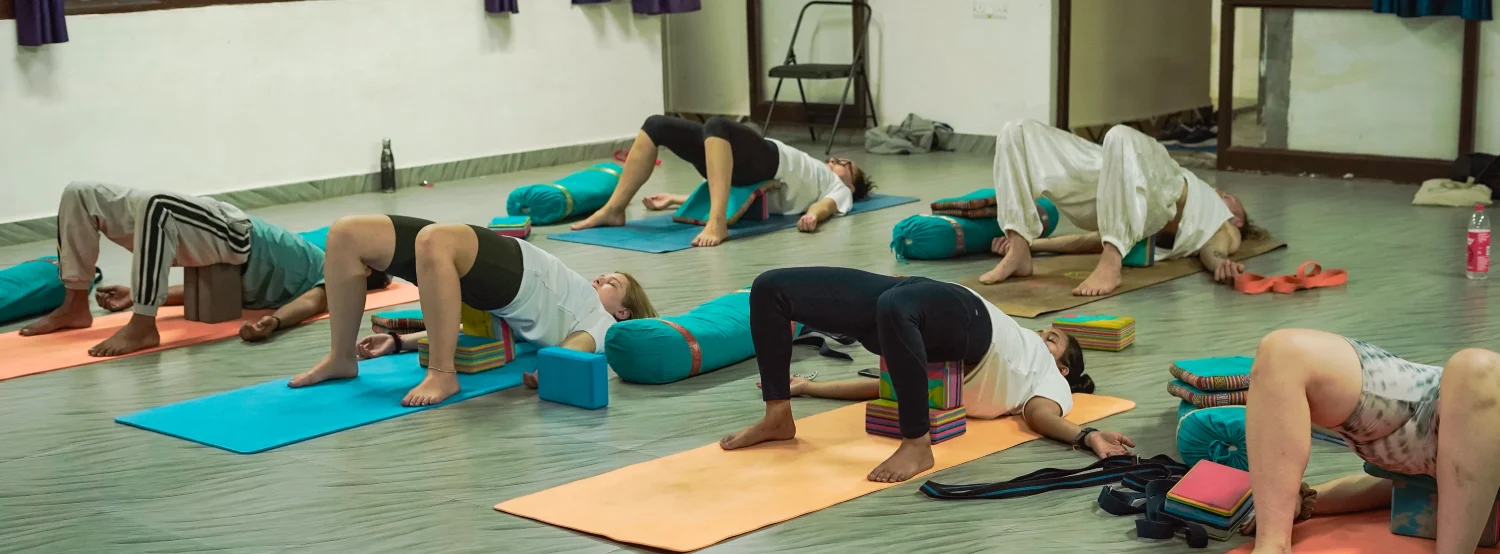
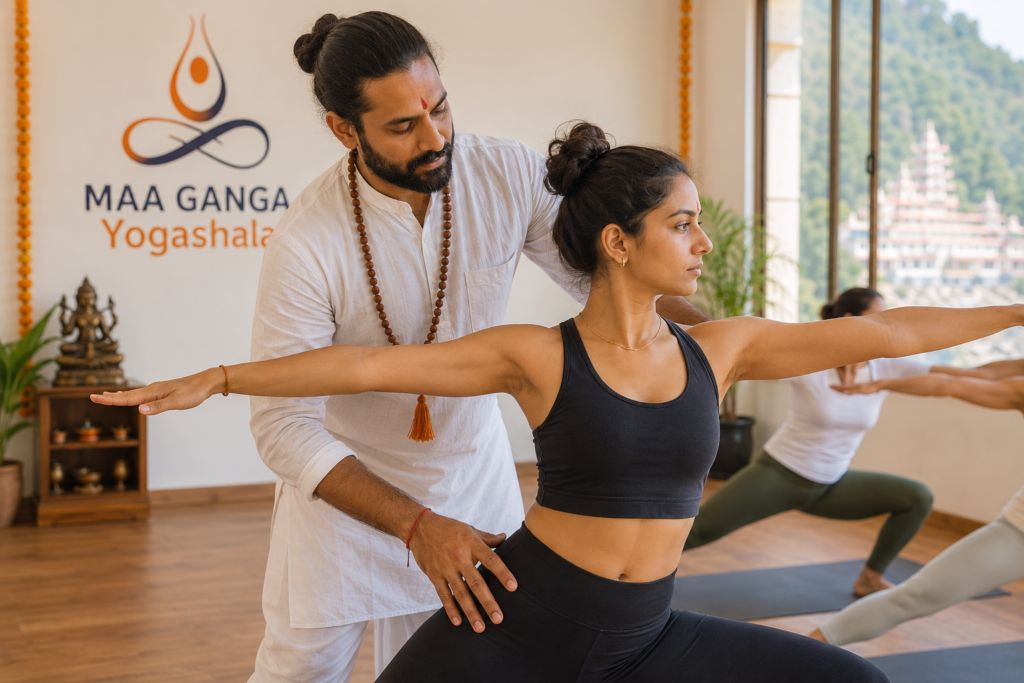
You will dive deep into alignment and adjustment principles. You learn exactly how to correct a student’s posture without risking injury, which is a universal requirement for any instructor.
The theoretical side is just as rigorous. You study texts like the Yoga Sutras of Patanjali, bridging the gap between ancient Indian wisdom and modern, accessible teaching methods.
Furthermore, you will spend hours practicing your actual teaching voice. A valid program forces you to stand up, sequence a flow, and guide your peers under the strict observation of master teachers.
The Difference Between 100-Hour and 200-Hour Global Standards
The main difference between these two milestones is simply time and depth. A 100-hour program covers the absolute essentials required to deepen your personal practice and begin understanding sequencing.
A full 200-hour program expands on these concepts, adding rigorous practicum hours. It dives deeper into complex anatomy, advanced modifications, and the business aspects of running a yoga career.
If your ultimate goal is to lead commercial classes globally, you will eventually need that higher tier. You can easily see the expanded curriculum requirements in a standard 200-Hour Yoga Teacher Training in Rishikesh.
However, splitting the training into two 100-hour chunks is a globally recognized and brilliant strategy. It allows you to integrate the knowledge slowly before returning to complete your full RYT status.
The Role of Government and Traditional Guidelines
While western registries dominate the commercial space, traditional guidelines hold massive international respect. Authentic training draws upon thousands of years of lineage.
Programs based in India often align with standards set by the Ministry of Ayush, ensuring the curriculum remains true to its ancient roots rather than becoming a purely fitness-based routine.
When studio owners across the globe see a certificate rooted in authentic Indian standards, they recognize the depth of your training. It proves you learned yoga as a holistic lifestyle, not just a workout.
Understanding the specific 100 hour YTT language of instruction India also helps international students prepare for this authentic immersion, bridging cultural gaps for global teaching.
Why Rishikesh? / Why This Matters
Location drastically impacts the international perception of your certificate. Earning your credentials in the Yoga Capital of the World adds a layer of undeniable prestige to your resume.
Studios worldwide recognize the rigor required to study in an authentic ashram environment. The discipline, early mornings, and intensive focus required in India shape remarkably resilient instructors.
The environment itself accelerates your learning. From studying on the banks of the Ganges to experiencing yoga in Rishikesh during the monsoon, the immersion is absolute and profoundly life-changing.
When you list a registered Maa Ganga Yogashala training on your international applications, employers immediately recognize your commitment to traditional, source-based learning.

Advancing Your Path: Next Steps for Global Instructors
If you are considering training in Rishikesh, Maa Ganga Yogashala offers an authentic, registered pathway designed to build unshakeable confidence in your practice.
You can start your journey with a highly structured program that guarantees personalized attention. Our expert teachers focus entirely on correcting your alignment and unlocking your teaching voice.
By completing this first milestone, you set the foundation for a lifetime of global exploration. You gain the skills necessary to eventually tackle your advanced certifications with ease.
Explore the detailed curriculum of our 100-Hour Yoga Teacher Training in Rishikesh and discover how it seamlessly integrates into international standards.
FAQs
Can I register with Yoga Alliance with just 100 hours?
No, Yoga Alliance requires a minimum of 200 completed hours from a registered school to secure the RYT-200 credential. Your 100-hour certificate counts as the first half of this requirement when completed at the same registered school.
Will gyms hire me with only a 100-hour certificate?
Major commercial gyms usually require a 200-hour certification for liability insurance. However, private clients, corporate wellness programs, and boutique community spaces frequently welcome instructors holding a 100-hour foundation.
Does the certificate expire?
No, your foundational certificate from a recognized school does not expire. However, continuing your education and eventually completing the remaining hours is highly recommended to stay competitive internationally.
Conclusion
Securing your 100 hour YTT certificate international recognition is a powerful, strategic move for your wellness career. It proves you have invested in authentic, rigorous education under qualified masters.
While it is only the first half of a fully recognized global credential, it instantly elevates your personal practice. It gives you the mechanical and philosophical tools needed to start guiding others safely.
You do not have to commit to a month-long intensive to begin your teaching journey. By breaking the standard requirements into manageable halves, you allow your mind and body to absorb the ancient teachings properly.
Ready to begin? Explore our 100-Hour Yoga Teacher Training in Rishikesh and take the first step toward your global teaching career today.