100 Hour YTT Language of Instruction India: What to Expect
The 100 hour YTT language of instruction India provides is one of the most common questions international students ask before booking their tickets. Traveling across the world to learn an ancient practice naturally brings up concerns about communication, comprehension, and cultural barriers. You might wonder if you need to speak Hindi, or if complex philosophical concepts will be lost in translation. Fortunately, the reality of studying in the birthplace of yoga is incredibly accessible for global practitioners.
In modern ashrams, the teaching environment is thoughtfully designed to cater to a diverse, international audience. You will find that the primary medium of instruction bridges geographical gaps, allowing you to focus entirely on your personal and professional growth. The language used in these spaces goes beyond just words; it encompasses physical demonstration, hands-on adjustments, and an immersive energetic environment.
Whether you are seeking a deeper personal practice or taking the very first steps toward becoming an instructor, clear communication is vital to your success. This comprehensive guide explores exactly how classes are conducted, the balance between traditional terminology and modern instruction, and how you can prepare for an optimal learning experience on the mat.
Understanding the 100 hour YTT language of instruction India Offers
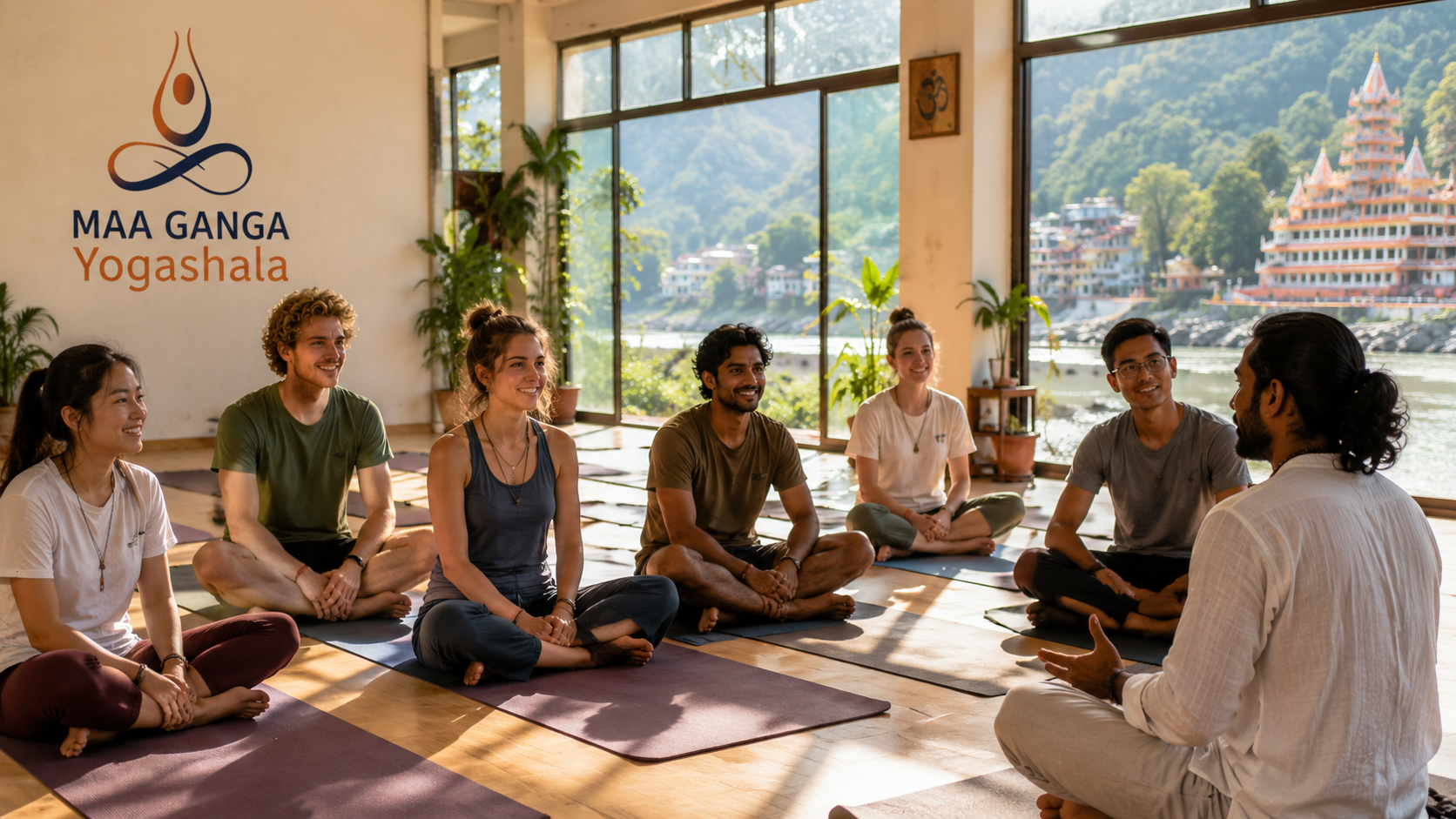
When you step into a yoga shala, the primary language you will hear spoken by the lead teachers is English. India has a long, rich history of welcoming international seekers, and English has naturally become the unifying language of modern yoga education. You do not need any prior knowledge of Hindi to fully grasp the curriculum, participate in discussions, or pass your practical exams.
The English used by Indian yoga masters is typically clear, deliberate, and easy to follow. Teachers understand that for many students in the room, English might be a second or even third language. As a result, instructions are delivered at a moderate pace. Global organizations like Yoga Alliance set strict standards for curriculum delivery, ensuring that schools maintain a professional and highly comprehensible teaching environment for all students regardless of their country of origin.
If you are curious about the value of these global standards, exploring if Yoga Alliance Certification Worth It? 7 Best Facts can provide clarity. The standardization ensures that complex subjects—ranging from skeletal anatomy to subtle energy systems—are communicated effectively. The focus is always on your comprehension, not on confusing academic jargon. You will find that your instructors prioritize clarity over complexity every single day.
Overcoming the Language Barrier in the 100 hour YTT language of instruction India Uses
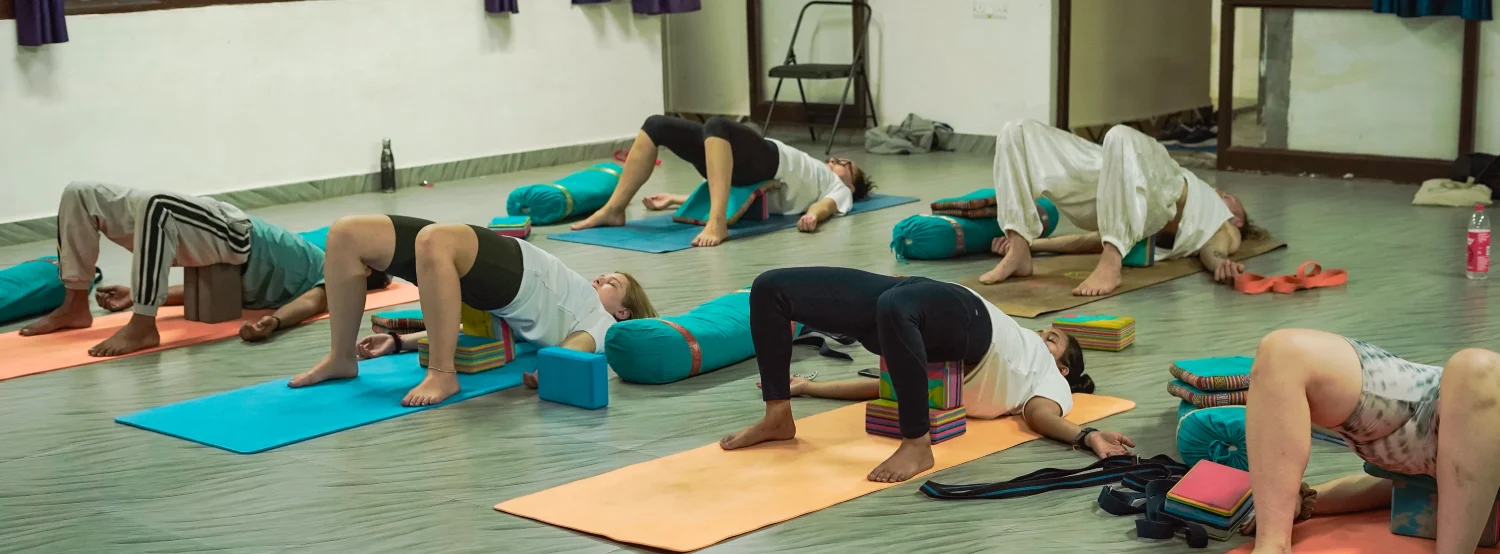
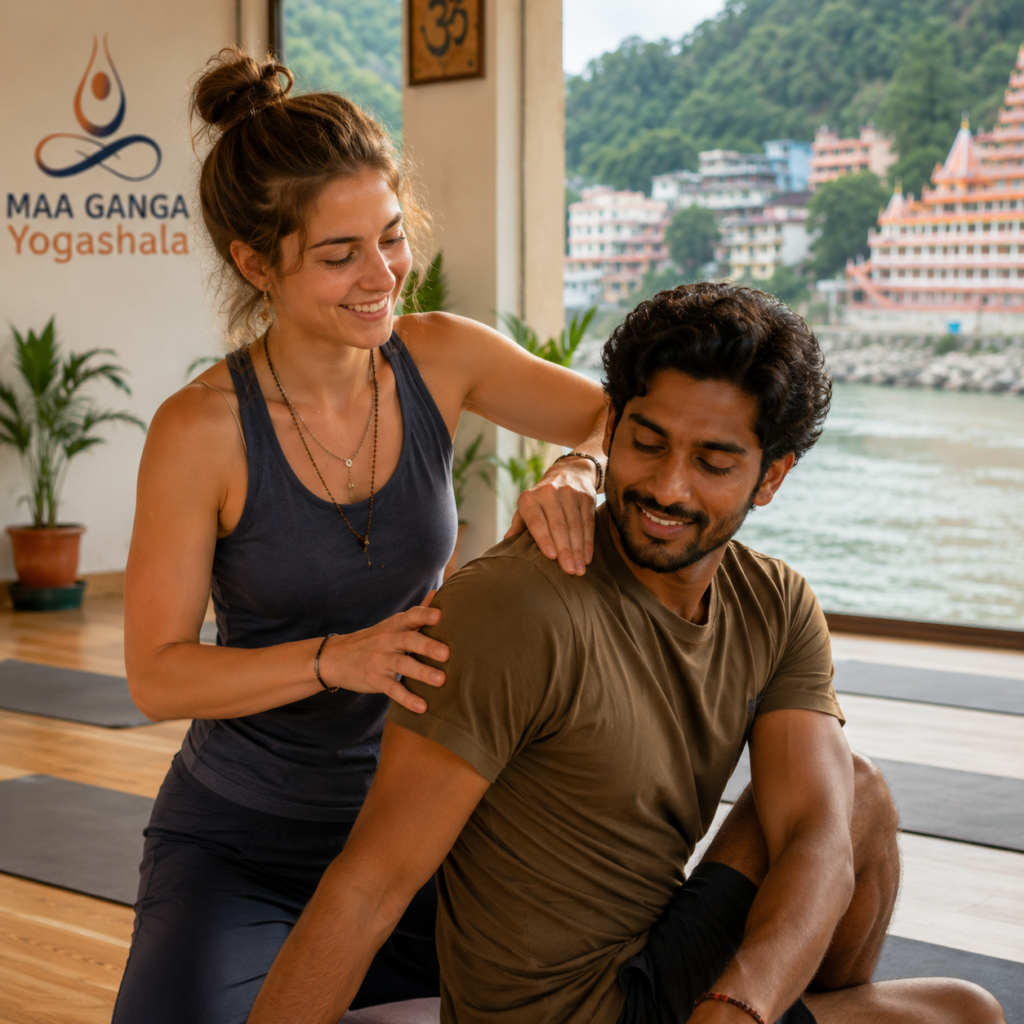
It is completely normal to feel nervous if English is not your native tongue. However, yoga is an inherently physical and visual practice. A significant portion of your learning will happen through observation rather than purely listening to lectures. When a teacher guides you into a complex posture, they will demonstrate the alignment visually, point out muscle engagements on a student model, and offer tactile adjustments to your body.
This multi-sensory approach means that even if you miss a specific vocabulary word, your body will still understand the instruction. Furthermore, smaller class sizes often allow teachers to provide individualized attention, clarifying any doubts you might have. For more on how intimate learning environments boost comprehension, checking out the Small Group Yoga Teacher Training Benefits: Ultimate Guide is highly recommended.
Additionally, the structured nature of a 100-hour program means you will hear the same cues repeated daily. By the third day of your practice, the rhythm of the instructions will feel incredibly familiar. If you are entirely new to this setting, reading up on the 100 Hour YTT For Beginners No Experience: 7 Honest Truths can alleviate those early-stage jitters. You will quickly realize that the language barrier is much smaller than you anticipated.
Sanskrit vs English: The Dance of Dual Languages
While English serves as the primary bridge for instruction, Sanskrit remains the beating heart of yoga. You will be introduced to the original Sanskrit names of asanas (postures), pranayama (breathing techniques), and philosophical concepts. You will never be expected to speak fluent Sanskrit, but learning the foundational terms is a beautiful way to honor the roots of the practice.
Teachers seamlessly integrate the two languages, often stating the Sanskrit name followed immediately by the English translation. For example, you will hear “Adho Mukha Svanasana, Downward Facing Dog.” Over the span of your training, your brain will naturally link these terms. This bilingual approach ensures you can walk into any yoga studio worldwide and understand the flow.
Beyond posture names, Sanskrit is utilized during chanting and specialized healing practices. Mantras carry a specific vibrational frequency that transcends standard spoken language. According to scientific literature found on platforms like PubMed, the rhythmic recitation of specific sounds can actively lower stress and improve cognitive function. You might experience this deeply if you explore practices like Chakra Balancing, where the vibration of ancient syllables plays a direct role in aligning your energetic body.
Translating Anatomy and Alignment
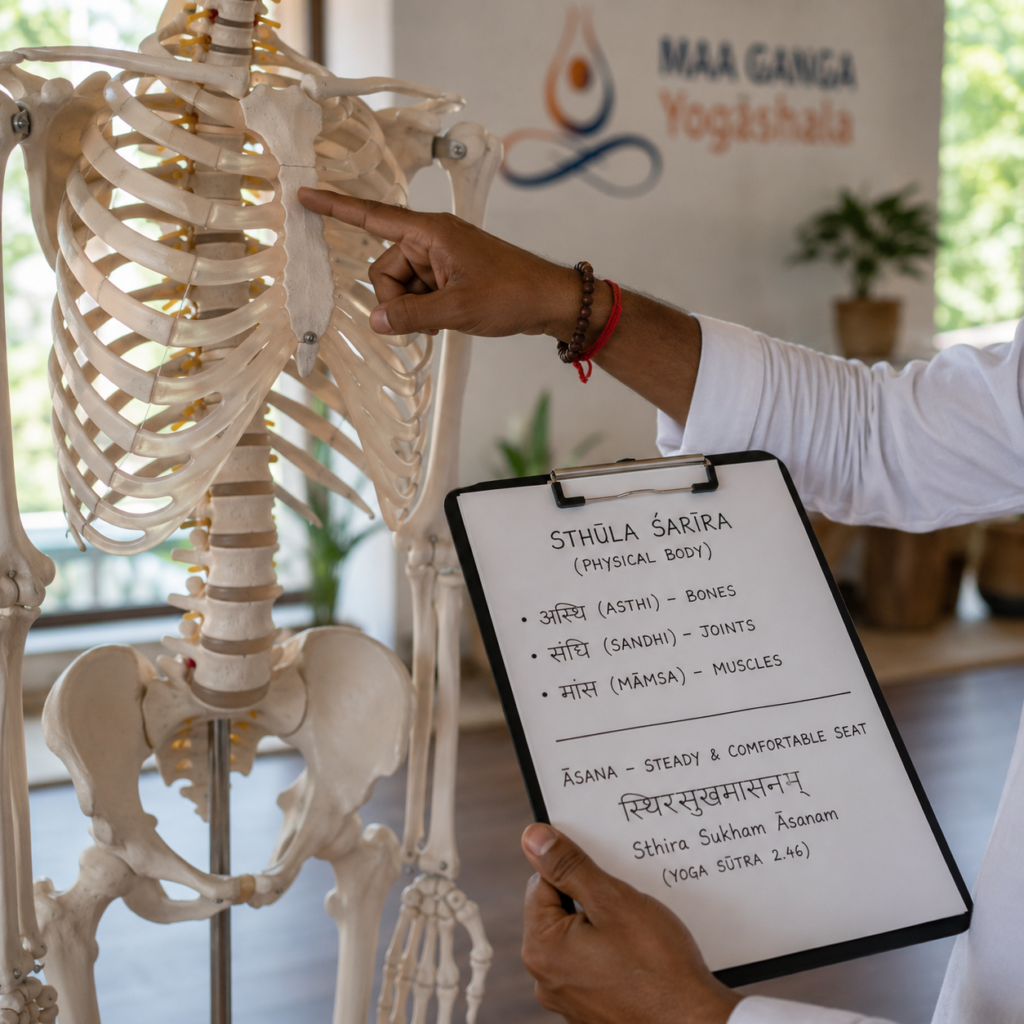
One of the most challenging aspects of any training is the anatomy module. Learning about the musculoskeletal system, joint mechanics, and fascia can feel overwhelming even in your native language. However, Indian yoga schools excel at breaking down complex western anatomy into practical, highly digestible concepts. Teachers use visual aids, skeleton models, and physical palpation to make the science of the body intuitive.
Instead of memorizing dry medical textbooks, you learn applied anatomy. You will study how the femur rotates in the hip socket during Warrior II, or which specific muscles engage during a backbend. This practical application ensures that the language of anatomy translates directly onto your yoga mat. You begin to speak the language of the human body, which is universal and supersedes any spoken dialect.
This hands-on, deeply physical approach to learning anatomy is a major reason why many students prefer traveling to India rather than studying behind a computer screen. If you are weighing your options, diving into Online vs In Person 200 Hour YTT: The Ultimate Comparison can highlight why the physical, immersive language of an in-person shala is irreplaceable. The immediate feedback loop of an in-person teacher ensures you truly understand the biomechanics you are learning.
Preparing for Your Classes: Tips for International Students
If you want to feel completely confident before arriving, a little preparation goes a long way. Start by attending English-led yoga classes in your home country or following along with English yoga videos online. Pay close attention to the common verbs and directional cues used: inhale, exhale, lengthen, root down, square your hips, and tuck your tailbone. Familiarizing yourself with these repetitive action words will make your first week in India incredibly smooth.
You can also create a small cheat sheet of common Sanskrit terms and their English counterparts. While your school will likely provide a comprehensive manual upon arrival, having a basic grasp of words like asana, pranayama, bandha, and mudra will give you a head start. Remember, the goal of this foundation course is to build your confidence from the ground up, setting the stage for future growth.
For those planning to instruct others eventually, understanding how you will translate these teachings back to your future students is crucial. Gaining insight from resources like Teaching Yoga After 100 Hour Certification: Top 5 Truths can help you shape your own teaching voice. You will learn to take the English and Sanskrit concepts you absorb in India and adapt them to whatever language your future students speak.
The Shared Dialect of the International Yoga Community
One of the most profound aspects of studying in India is the community you join. Your classmates will fly in from Europe, the Americas, Asia, and Australia. In this diverse melting pot, English serves as the common denominator, but the true language you share is the shared dedication to yoga. You will find yourselves communicating through shared struggles, shared breakthroughs, and shared laughter over morning chai.
Your peers become an essential part of your educational support system. When a philosophical concept like Patanjali’s Sutras is difficult to grasp in class, late-night discussions with your roommates often provide the exact clarity you need. This peer-to-peer translation is a beautiful, informal part of the curriculum that cannot be replicated anywhere else.
This sense of global unity is a massive part of the ashram experience. It expands your worldview and helps you realize how universal the human experience of physical and spiritual growth truly is. Even outside of class hours, interacting with local shopkeepers, cafe owners, and fellow travelers helps you develop a more adaptive, flexible approach to communication.
Why Rishikesh? / Why This Matters
Rishikesh is recognized globally as the Yoga Capital of the World, and its infrastructure directly reflects this title. The entire town is oriented around supporting international yoga students. From the bookstores selling English translations of ancient Vedic texts to the cafes where global seekers gather, the environment is perfectly tailored to your educational journey. You are never isolated in your learning process.
Studying here matters because it offers the purest transmission of yoga while remaining entirely accessible to the modern western mind. You are receiving teachings that have been passed down through generations of Indian masters, yet they are articulated in a way that you can easily digest and apply to your daily life. It is the perfect intersection of ancient authenticity and contemporary accessibility.
Even if you are visiting for a shorter duration, the impact of this environment is profound. Taking part in a 3 Days Yoga Retreat in Rishikesh provides a glimpse into how seamlessly eastern tradition and western comprehension blend in this sacred city. You leave not just with physical skills, but with a deeper vocabulary for your own internal landscape.
Finding Clarity at Maa Ganga Yogashala
If you’re considering training in Rishikesh, we ensure that every student feels completely supported and understood from day one. At Maa Ganga Yogashala, our lead teachers are highly experienced in guiding international students through complex physical and philosophical landscapes. We pride ourselves on creating an environment where questions are always welcomed and clarity is our highest priority.
Our curriculum is delivered in clear, accessible English, supplemented with detailed visual demonstrations and comprehensive written manuals. We break down the barriers of complex anatomy and ancient Sanskrit, ensuring that the profound wisdom of yoga is available to everyone, regardless of their native tongue. You are never left behind in our shala.
FAQs on YTT Languages
Do I need to learn Hindi before arriving in India?
No, you do not need to learn Hindi. All classes, manuals, and exams are conducted entirely in English. English is widely spoken in Rishikesh, making daily life and travel outside the ashram very manageable.
Are the lead teachers native English speakers?
Our lead teachers are Indian masters who are highly fluent in English. They have years of experience teaching international students and are experts at speaking clearly, moderately, and using accessible terminology.
How much Sanskrit will I be expected to memorize?
You will naturally learn the Sanskrit names for common poses, basic anatomy, and breathing techniques. However, you are never graded strictly on perfect Sanskrit pronunciation; the focus is on your practical understanding.
What if I struggle to understand a specific concept?
Class sizes are kept manageable to ensure personalized attention. If you ever struggle with a concept, our teachers are always available after class to explain it differently, provide visual aids, or offer hands-on demonstrations until it clicks.
Conclusion: Take the First Step
Ultimately, the 100 hour YTT language of instruction India offers is a perfectly balanced blend of accessible English and foundational Sanskrit. You will find that the environment is entirely geared toward your success, ensuring that no complex philosophy or physical alignment cue is ever lost in translation. The true language of yoga is experiential, and your time on the mat will speak volumes beyond any spoken word. You are fully supported, guided, and understood throughout this transformative journey. Ready to begin? Explore our 100-Hour Yoga Teacher Training in Rishikesh and take the first step today.