
The Emotional Experience Yoga Teacher Training India Offers: What Nobody Tells You
An emotional experience yoga teacher training India provides is something most students never fully anticipate when they first pack their bags. You likely expect sore muscles, early mornings, and a deep dive into ancient texts. You prepare your physical body for hours of intensive asana practice.
However, the reality of stepping onto the mat in the birthplace of yoga strikes far deeper than the physical level. The profound mental and spiritual shifts often catch even the most experienced practitioners completely off guard.
When you dedicate yourself entirely to this path, you strip away the distractions of your everyday life. Without your usual routines and coping mechanisms, raw feelings rise quickly to the surface.
This guide explores the unspoken realities of the mental challenges you will face. By understanding what happens beneath the surface, you can prepare yourself for the deep inner work ahead. You will discover exactly how to navigate this profound vulnerability.
The Unexpected Emotional Experience Yoga Teacher Training India Brings
Most comprehensive programs recognized by institutions like the Yoga Alliance require a high level of physical and mental discipline. You are immersed in a rigorous daily schedule that leaves little room for your usual habits.
This sudden shift in routine acts as a massive pattern interrupt for your brain. You wake up before dawn, practice intensive breathwork, and challenge your body in completely new ways. Your mind, previously occupied with emails and errands, suddenly faces silence and stillness.
In this newfound space, buried thoughts and unprocessed memories inevitably demand your attention. You might find yourself crying during a seemingly simple meditation or feeling intense anger during a challenging posture.
These reactions are entirely normal and are recognized as a standard part of the developmental process. Instead of viewing these moments as setbacks, recognize them as the true beginning of your education. You are learning to sit with discomfort without immediately running away from it.
Understanding the Emotional Release During Yoga Teacher Training
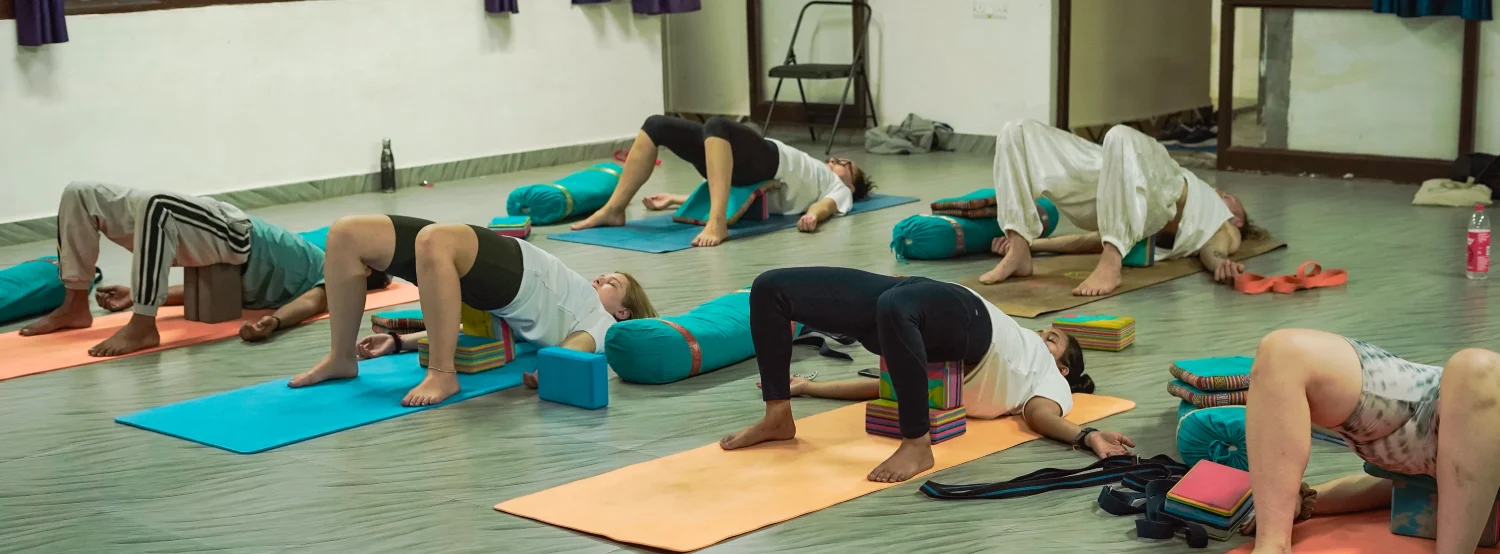
There is a profound connection between your physical tissues and your emotional history. When you spend hours opening your hips, bending your spine backward, and expanding your chest, you unlock physical tension.
This physical tension often serves as armor, holding onto past traumas, stress, and unexpressed feelings. As the physical armor dissolves through consistent asana practice, the trapped energy finally finds a way out.
You might experience sudden waves of grief, unexplained joy, or deep frustration without any logical trigger. This emotional release during yoga teacher training is a powerful sign that your body is effectively purging what it no longer needs.
Learning how this mechanism works is a vital part of your education. By understanding these somatic responses, you prepare yourself to hold space for your future students. The detailed modules outlined in the 200 hour YTT curriculum subjects often cover the subtle body anatomy that explains these phenomena.
The Science Behind the Mental Challenges of Yoga Training
The intense emotional shifts you experience are not merely spiritual concepts; they have a firm foundation in human biology. Deep yoga practices directly stimulate the vagus nerve and influence the parasympathetic nervous system.
When you engage in prolonged deep breathing and physical exertion, you force your nervous system to shift out of a chronic state of fight-or-flight. As documented in various studies on PubMed, this shift triggers a deep relaxation response.
When your body finally feels safe enough to relax completely, the survival mechanisms power down. It is precisely in this state of profound safety that your mind allows repressed emotions to surface.
You are essentially rewiring your brain’s response to stress and vulnerability. This biological rewiring can feel incredibly exhausting and disorienting at first. Understanding the physiological science behind your tears and exhaustion helps remove any unnecessary feelings of guilt or confusion.
Somatic Memory: Why Your Body Remembers Everything
Somatic experiencing theory suggests that our bodies keep a perfect ledger of our life events. Every time you suppressed a reaction or swallowed your words, your physical body absorbed the impact.
During your training, you actively engage in practices designed to communicate directly with your nervous system. You bypass the logical, overthinking brain and speak directly to your body’s cellular memory.
Practices that utilize specific frequencies and vibrations are incredibly effective at shaking loose these deep-seated memories. For example, participating in sound healing sessions can trigger profound emotional shifts through acoustic vibration alone.
You learn that healing does not always require endlessly analyzing your past through traditional talk therapy. Sometimes, true healing simply requires allowing your body to shake, cry, or rest until the stored energy naturally dissipates.
The Role of Community in Your Spiritual Awakening Rishikesh YTT
You are never alone during this intense period of personal dismantling and rebuilding. The strangers you meet on the first day quickly become an indispensable support system.
Everyone in your cohort is simultaneously going through their own version of a spiritual awakening. This shared vulnerability creates an atmosphere of radical honesty and profound trust.
You will share meals in silence, practice adjustments on one another, and witness each other’s lowest and highest moments. This close-knit environment mirrors a family dynamic, which can trigger both beautiful connections and challenging interpersonal reflections.
Navigating these relationships is much easier in a focused setting. The small group yoga teacher training benefits ensure that you receive personal attention and never feel lost in the crowd during your most vulnerable days.

How Diet and Lifestyle Impact Your Feelings
The food you consume during your ashram stay plays a massive role in your mental stability. You transition away from heavy, processed foods, caffeine, and sugar.
This dietary shift forces your body to detoxify, which can temporarily exacerbate mood swings, headaches, and irritability. You might feel a sudden dip in energy before experiencing a surge of newfound clarity.
The food provided is typically designed to calm the mind and support intensive physical exertion. It is lightweight, easily digestible, and prepared with mindful intention to elevate your energetic frequency.
Embracing this way of eating accelerates your inner purification process. Reading about the Sattvic Diet Yoga Retreat: 5 Ultimate Healing Benefits helps you understand exactly why your meals are structured this specific way.
Navigating the Eight Limbs Beyond the Physical Postures
While the physical postures (Asanas) command much of your schedule, the deeper philosophical limbs trigger the true mental challenges. Studying ancient texts forces you to confront your ego and your ingrained behavioral patterns.
Concepts like non-attachment (Aparigraha) and truthfulness (Satya) move from abstract theories to daily personal tests. You begin to notice how deeply attached you are to your identity, your opinions, and your comforts.
This philosophical mirror can be uncomfortable to look into, but it is entirely necessary for authentic growth. You realize that becoming a teacher is less about performing perfect handstands and more about refining your character.
The comprehensive breakdown found in the Eight Limbs of Yoga Philosophy: 8 Best Steps to True Peace provides a roadmap for integrating these challenging truths into your daily life.
Why Rishikesh? The Heartbeat of Transformation
Practicing in Rishikesh is vastly different from practicing in a modern studio in your hometown. The environment itself acts as a massive catalyst for intense internal shifts.
The city sits on the banks of the sacred Ganges River, surrounded by the towering foothills of the Himalayas. This geographical positioning creates a unique, highly charged energetic field that sensitive practitioners feel immediately.
The air is thick with the vibrations of thousands of years of continuous meditation, chanting, and devotion. You are stepping into a living, breathing epicenter of spiritual seeking that demands your absolute authenticity.
The sensory overload of the city combined with the peace of the ashram accelerates your personal evolution. The article Tapovan Rishikesh Yoga: 7 Best Reasons It Changes You explores how this specific location supercharges your entire experience.
Finding Your Balance: A Soft Landing at Maa Ganga Yogashala
Stepping into such an intense environment requires a foundation of safety, guidance, and unwavering support. If you’re considering training in Rishikesh, Maa Ganga Yogashala offers the perfect container to safely explore these depths.
Our experienced teachers understand the psychology of this journey and know exactly when to push you and when to let you rest. We provide an authentic but gently structured environment that respects your individual pace of healing.
Before committing to a long-term intensive, some students prefer to test the waters of ashram life. A 3 days yoga retreat in Rishikesh provides a wonderful introduction to the environment and teachings without the pressure of a full certification.
Restoring Inner Harmony After Deep Work
After experiencing profound emotional purges, you must actively work to restore your internal equilibrium. You cannot leave yourself wide open and raw without implementing proper grounding techniques.
Your teachers will guide you through specific pranayama (breathwork) exercises designed to stabilize your nervous system. You will learn how to use your breath as an anchor when the waves of feeling become overwhelming.
Working with your body’s subtle energy centers ensures that the released emotions do not become stuck in a new location. Practices focused on chakra balancing are essential tools for realigning your energy field after a major breakthrough.
You leave the training not just empty of old trauma, but filled with practical tools to maintain your newly established peace.
Tools for Coping With Emotions in a Yoga Ashram
Navigating the daily intensity requires practical, actionable strategies that you can rely on when things feel heavy. Journaling is perhaps the most effective tool you can bring with you to India.
Writing down your thoughts without filtering them allows you to process the confusing influx of insights and memories. Make it a daily habit to sit with your notebook immediately after morning meditation or evening satsang.
Embrace periods of total silence (Mauna) whenever they are offered or encouraged by your teachers. Silence stops the leakage of your vital energy and prevents you from distracting yourself through idle chatter.
Finally, give yourself radical permission to rest whenever your body demands it. Emotional labor burns just as many calories and requires just as much recovery time as a grueling physical workout.
The Psychology of Yoga Teacher Training and Self-Discovery
Ultimately, this rigorous program acts as a mirror reflecting your truest self back to you. You confront the stories you have told yourself about your limitations, your worth, and your purpose.
The process strips away the masks you wear for society, your family, and your career. What remains is your authentic essence, which can feel unfamiliar and fragile at first.
As you learn to teach others, you must first learn how to lead and fiercely protect yourself. This psychological maturation is the greatest gift the discipline offers.
You return home not just as an instructor of physical movement, but as a grounded, self-aware individual capable of true empathy.

FAQs About the Emotional Journey
Will I cry during my daily practice?
Yes, it is highly likely that you will experience tears on the mat. Hip openers and backbends frequently trigger an automatic release of suppressed tension. Do not fight the tears; let them flow naturally.
How do I prepare mentally before arriving?
Start a daily journaling practice and begin observing your reactions to stress without immediately trying to fix them. Cultivate a mindset of deep curiosity rather than a mindset of perfectionism.
Is the emotional intensity too much for beginners?
No, the intensity scales to your personal readiness and willingness to open up. The ashram environment is specifically designed to safely hold space for whatever arises during your stay.
What if I feel completely overwhelmed and want to leave?
This is a common phase known as the “resistance wall” that usually hits around the second week. Speak with your lead teachers; they have guided hundreds of students through this exact feeling.
Does the emotional sensitivity last forever?
The rawness eventually settles into a state of profound clarity and grounded resilience. You will remain sensitive to your internal state, but you will possess the tools to manage it beautifully.
Conclusion: Embrace the Deep Transformation
The emotional experience yoga teacher training India delivers will challenge your limits, break down your walls, and completely reshape your perspective on life. Embrace the tears, the sudden joys, and the profound peace that follows the hard work. You are stepping into a crucible of transformation that will echo through every aspect of your future. Ready to begin? Explore our 200-Hour Yoga Teacher Training in Rishikesh and take the first step today.